%22%3E%3C/path%3E%3Cpath d=%22M 63.072 7.554 C 62.258 8.022 61.577 8.689 61.092 9.493 L 61.092 7.076 L 57.158 7.076 L 57.158 22.64 L 61.089 22.64 L 61.089 14.888 C 61.089 13.446 61.403 12.434 62.03 11.853 C 62.818 11.218 63.818 10.907 64.826 10.982 L 65.868 10.982 L 65.868 6.851 C 64.891 6.834 63.926 7.076 63.073 7.554 Z%22 fill=%22rgb(17,17,17)%22%3E%3C/path%3E%3Cpath d=%22M 78.916 7.82 C 76.363 6.49 73.321 6.49 70.768 7.82 C 69.562 8.473 68.564 9.451 67.888 10.644 C 67.167 11.931 66.803 13.387 66.834 14.862 C 66.804 16.332 67.157 17.785 67.86 19.077 C 68.515 20.267 69.494 21.246 70.684 21.901 C 71.924 22.576 73.318 22.92 74.73 22.898 C 76.164 22.918 77.58 22.575 78.846 21.901 C 80.062 21.247 81.073 20.27 81.768 19.077 C 82.506 17.797 82.88 16.339 82.85 14.862 C 82.88 13.389 82.517 11.934 81.797 10.647 C 81.12 9.455 80.122 8.477 78.917 7.824 M 78.803 14.862 C 78.829 15.739 78.636 16.608 78.241 17.391 C 77.903 18.046 77.38 18.588 76.738 18.95 C 76.124 19.293 75.432 19.472 74.729 19.47 C 73.668 19.497 72.648 19.061 71.934 18.276 C 71.139 17.323 70.741 16.1 70.823 14.862 C 70.741 13.62 71.149 12.395 71.959 11.45 C 72.687 10.667 73.715 10.233 74.783 10.256 C 75.859 10.236 76.894 10.67 77.635 11.45 C 78.464 12.387 78.884 13.616 78.801 14.864%22 fill=%22rgb(17,17,17)%22%3E%3C/path%3E%3Cpath d=%22M 95.906 7.076 L 95.906 15.646 C 95.975 16.68 95.643 17.701 94.979 18.498 C 94.311 19.184 93.379 19.547 92.422 19.495 C 91.475 19.544 90.553 19.18 89.894 18.498 C 89.23 17.701 88.898 16.68 88.967 15.646 L 88.967 7.076 L 85.033 7.076 L 85.033 16.207 C 85 17.449 85.275 18.68 85.834 19.79 C 86.327 20.75 87.095 21.542 88.039 22.065 C 89.033 22.594 90.145 22.861 91.271 22.838 C 92.188 22.847 93.095 22.65 93.926 22.263 C 94.708 21.905 95.388 21.36 95.906 20.675 L 95.906 22.645 L 99.865 22.645 L 99.865 7.076 Z%22 fill=%22rgb(17,17,17)%22%3E%3C/path%3E%3Cpath d=%22M 4.513 15.626 C 4.511 10.815 7.606 6.549 12.181 5.059 C 16.756 3.57 21.77 5.195 24.601 9.086 L 27.816 5.87 C 24.074 1.186 17.981 -0.943 12.137 0.393 C 6.292 1.728 1.728 6.292 0.393 12.137 C -0.943 17.981 1.186 24.074 5.87 27.816 L 9.085 24.601 C 6.214 22.512 4.515 19.177 4.513 15.626%22 fill=%22rgb(32,62,235)%22%3E%3C/path%3E%3Cpath d=%22M 17.114 14.343 L 13.354 18.01 L 13.354 18.026 L 21.071 18.026 L 11.412 27.609 L 17.389 27.609 L 23.999 21.081 L 23.999 28.316 L 24.005 28.316 L 27.967 24.393 L 27.967 14.343 Z%22 fill=%22rgb(32,62,235)%22%3E%3C/path%3E%3C/g%3E%3C/svg%3E) ×
 ××
›
›
›
›
10 best deal flow management software tools for 2026
10 best deal flow management software tools for 2026
10 best deal flow management software tools for 2026
10 best deal flow management software tools for 2026
10 best deal flow management software tools for 2026
10 best deal flow management software tools for 2026

Author
Aljaz Peklaj

Your opportunities sit across a spreadsheet, a shared inbox, and someone's memory of an introduction. Affinity is our #1 pick for relationship-led investment teams with five or more people; Pipeline wins for small VC teams needing a plain tracker. Most B2B revenue teams should skip investor-focused deal flow management software and build a CRM plus outbound stack instead.
Match the sourcing motion: Warm introductions need relationship context.
Preserve attribution: Captured emails don't establish deal origin.
Price the next stage: Include migration, administration, and expansion.
Separate investing from selling: Revenue teams need qualification and reply routing.
Match the tool to how your deals start. A partner's referral, a startup application, and an outbound reply shouldn't become indistinguishable records once someone creates an opportunity. Your team needs to see the originating source and the evidence behind it, even after ownership changes.
These tools mainly serve investor-side sourcing, although some extend into M&A execution or broader fund operations. The ranking weighs deal intake, workflow depth beyond the first meeting, and expansion cost. It's an editorial assessment of the stated capabilities, not a claim that every platform passed a hands-on implementation test.
For B2B sales, CompanyHub is a more relevant starting point: it manages contacts, deals, follow-ups, and pipeline work. Investment relationship mapping solves a different operating problem. Don't buy it because your sales spreadsheet also happens to contain deals.
Table of Contents
1. Affinity

Buy Affinity when the firm's network is part of its sourcing advantage. Affinity combines automatic email and calendar capture with relationship scoring, warm-introduction paths, shared pipelines, and interaction history. That makes it our first choice for investment teams whose partners need visibility into each other's relationships.
Say an associate identifies a founder already connected to a partner. The useful workflow is founder record → relationship path → introduction owner → screening decision → diligence. Automatic activity capture reduces manual updates, while shared context helps the associate avoid sending an unnecessary cold message.
Keep relationship strength separate from source
A strong connection doesn't prove that person originated the opportunity. Require a named introducer, original source, and supporting interaction on the deal record. Use customizable analytics to inspect progression by source rather than treating every captured email as sourcing evidence.
Strength: Firm-wide relationship context supports sourcing alongside pipeline tracking.
Trade-off: Premium pricing is harder to justify for a very small fund.
Expansion cost: Advanced enrichment, integrations, meeting notes, AI tools, and workflow automation sit on higher tiers. Compare the required package, not just entry-level access.
If your actual requirement is commercial opportunity management, start with a sales CRM comparison instead. Verdict: buy Affinity for relationship-led investing; skip it for a straightforward B2B sales pipeline (automatic logging won't repair missing source rules).
2. 4Degrees

A private-equity team sourcing through advisers needs more than a founder directory. 4Degrees brings relationship intelligence, warm-introduction discovery, contact enrichment, and customizable deal pipelines into an investment-focused CRM. It also supports investor-relations workflows and automatic email, calendar, and deal activity capture.
Choose it when relationship discovery and deal administration need to share a workspace. Its audience spans venture capital, private equity, M&A, investment banking, and consulting. That breadth is useful when your opportunities involve intermediaries whose relationships continue across transactions.
Demo requirement: Trace an adviser's introduction into a deal, through evaluation, and into a source-level report. A relationship map alone doesn't answer the attribution question.
The evaluation should include a messy case: an adviser introduces a company already known to another partner. Decide whether the record preserves the original discovery source, the introducing contact, and the event that activated the opportunity. Otherwise, partners will keep debating credit outside the CRM.
Make the commercial scope explicit
Public pricing isn't listed in the available product information. Treat onboarding, migration support, required integrations, and the next configuration change as separate buying questions, with written scope before commitment.
The main trade-off is specialization. A low-volume team can spend more effort maintaining relationship context than it saves through automated capture. Verdict: buy 4Degrees for investment workflows centered on interconnected relationships; skip it if a shared deal board and reminders cover the job.
3. Intapp DealCloud

Intapp DealCloud belongs on the shortlist when the process crosses teams and transaction stages. Intapp DealCloud supports relationship management, pipeline forecasting, transaction execution, and configurable reporting for private capital and financial-services firms. Its breadth is the reason to consider it, and the reason lean funds should be careful.
A corporate-development team might need sourcing staff to own discovery, investment professionals to manage evaluation, and executives to review forecasts. Configure those responsibilities around a shared opportunity record. Don't force everyone into the same view or give every participant permission to rewrite source history.
Budget for configuration ownership
The subscription isn't the whole decision. DealCloud's configurability creates implementation and administration work, so assign an internal process owner before selecting it.
Workflow fit: Complex private-equity, venture-capital, investment-banking, and corporate-development processes.
Attribution test: Preserve originating source and stage history as responsibilities move between teams.
Cost exposure: Public pricing isn't available in the product information supplied for this comparison. Include migration, configuration, reporting changes, and ongoing administration in the commercial scope.
Run an exit test too. Export the relationships, opportunities, and associated history you'd need to rebuild the process elsewhere (a contact export isn't enough).
Verdict: buy DealCloud when firm-wide coordination justifies a configurable platform. Skip it when nobody has the capacity to own the system after implementation. A smaller tracker with consistently maintained records beats an elaborate configuration your team avoids.
4. Zapflow

Zapflow changes the buying calculation from seats to operational scope. Zapflow publishes front-office pricing starting at $1,995 per month per team, with unlimited users under the same permission setup. Setup fees may apply according to migration, configuration, and integration requirements.
That model deserves attention when collaborators extend beyond the core investment team. Its modular platform serves alternative-asset investors, with deal flow connected to optional fundraising, investor-relations, and portfolio-management modules. Buy the broader scope only if those workflows have named owners and actual demand.
Design the handoff before adding modules
Start with an opportunity that becomes an investment. Determine which fields should carry forward into portfolio management and which information needs restricted access. Keep source evidence attached throughout, rather than recreating the company as an unrelated record after the investment decision.
For external orchestration, apply the same discipline used in Make workflow automation: define the trigger, matching rule, destination, and exception owner before connecting systems. A failed handoff should create a visible exception, not a silent duplicate.
Unlimited users won't make an oversized implementation economical. Count the workflows your team will actually maintain.
Verdict: buy Zapflow when shared investment operations justify team-based pricing and additional modules. Skip it if the requirement stops at intake, screening, and follow-up. Its starting commitment is substantial for a small fund, and unused modules won't improve sourcing.
5. Attio

Your fund has an unusual process, and investment-specific templates keep getting in the way. Attio is the pick for teams prepared to build their own operating model. Attio's venture-capital CRM offers customizable records, fields, lists, and pipelines, alongside email and calendar synchronization.
You can organize companies, founders, investors, deals, and fundraising relationships around your own process. That flexibility is valuable when a company can appear in several contexts without becoming several disconnected records. Collaboration and permissions support shared work, but the team still needs to decide how those records relate.
Advantage: Adaptable structure for evolving investment workflows.
Starting point: A free option is advertised.
Trade-off: Your team designs and maintains more of the investment-specific process.
Account for the builder's time
Create a schema before importing records: company → associated people → opportunity → source evidence → decision. Store the introducer separately from the current owner. Require a disqualification reason so rejected opportunities remain useful for future reviews.
Attio's expansion cost includes the time spent maintaining that design, alongside the paid capabilities your team eventually needs. Compare those responsibilities against dedicated platforms using a CRM software comparison, rather than equating a free starting option with a low operating cost.
Verdict: buy Attio when someone owns the schema and workflow. Skip it when you expect investment-specific processes to arrive ready-made (flexibility comes with maintenance).
6. Pipeline
Pipeline is the direct recommendation for a small VC team replacing spreadsheets. Pipeline lists $40 per user per month and a two-week free trial, giving buyers a clearer entry-cost comparison than quote-only alternatives.
Its scope matches the basic investment workflow: track deals and founder or investor contacts, link email to records, manage reminders, and evaluate opportunities using custom statuses, checklists, and scorecards. Crunchbase integration adds investment data. You don't need a fund-operations project to start organizing screening decisions.
Test the screening process, not the board
Import live opportunities with different origins. Include a warm introduction, an inbound pitch, and a researched company so your team can check whether source context remains visible as deals move through evaluation.
Intake: Record the origin and named referring contact before screening.
Evaluation: Use checklists and scorecards to expose why a deal advances.
Follow-up: Attach the next action and owner to the opportunity.
Reporting: Confirm you can inspect outcomes by source before migrating historical records.
A disciplined sales pipeline management framework applies here too: define stage entry and exit conditions before measuring movement. Changing a status without meeting those conditions makes the board look healthier than the underlying opportunities.
Verdict: buy Pipeline for focused VC deal tracking. Skip it if you need full fund operations or LP reporting in the same system. Before expanding usage, verify that its reporting, integrations, and export structure can support the process you intend to retain.
7. Edda

The investment closes, and your team starts rebuilding the company record for portfolio reporting. Edda is worth considering when that handoff is the expensive part. Edda combines deal-flow tracking with portfolio management, CRM, and investor-facing tools.
Its intake options include application forms and email capture. Custom pipelines, task management, team scoring, and collaborative reviews support evaluation, while integrations with Dealroom, Crunchbase, and PitchBook connect company information. Invested opportunities can move from deal flow into portfolio management.
Keep the decision trail intact
Build the evaluation around application → screening → collaborative review → diligence → investment → portfolio handoff. Each transition should retain the original source and the decision evidence. A portfolio record without that history limits your ability to assess which sourcing channels produced investments worth backing.
HERA.I tools cover pitch decks, diligence, cap tables, and decision writing. Use those outputs as review material, with a human accountable for the final investment rationale.
Ownership rule: The person approving the investment decision should own its rationale, even when AI helps prepare the document.
Pricing is quote-based, with plans aimed at first-time GPs and larger firms. Compare the scope required today against the portfolio and investor workflows you expect to add.
Verdict: buy Edda when continuity between sourcing and post-investment work matters. Skip it when a basic pipeline CRM already covers your operating needs (breadth still needs an owner).
8. Tracxn Deal Flow CRM

Research-led sourcing changes the ranking. Choose Tracxn Deal Flow CRM when Tracxn's company and funding intelligence already belongs in your sourcing process. The Tracxn Deal Flow CRM is included with a standard Tracxn subscription at no additional charge; commercial subscription pricing is sales-led.
Teams can add opportunities from Tracxn research, import CSV files, forward emails, or capture deals through mobile workflows. Multiple customizable pipelines and stages support different investment processes, while pipeline-level permissions control collaboration.
Separate discovery from activation
A company found through research may later become actionable after an adviser's introduction. Preserve both events. Overwriting research as the original source loses discovery context, while ignoring the introduction misrepresents how the conversation really started.
Sourcing benefit: Research data and pipeline records share the platform.
Operational benefit: Email-to-deal capture reduces manual record creation.
Commercial trade-off: The CRM comes with the broader subscription, rather than a standalone low-cost purchase.
If you're choosing a research environment, compare early-stage investor databases against the coverage your sourcing thesis requires. Don't let an included CRM decide a much larger intelligence purchase.
Verdict: buy Tracxn for the combined research-and-pipeline workflow. Skip it when you only need opportunity administration. Its expansion economics depend on the value of the underlying research subscription, so evaluate that value independently from the convenience of included deal tracking.
9. DealRoom

A buyer-led acquisition needs diligence coordination, document permissions, and transaction execution. DealRoom addresses that requirement through pipeline management, company enrichment, collaborative diligence Q&A, project tracking, and data-room capabilities. It's the M&A execution recommendation here, not the general VC sourcing choice.
Integrations include Outlook, Gmail, PitchBook, and Apollo. Those connections matter only if the resulting records preserve ownership and context across sourcing and execution. Bringing a company into the pipeline shouldn't mean starting its history again when diligence begins.
Inspect the transaction handoff
Demonstrate a target moving from initial interest into diligence. Keep the originating adviser or outreach source visible, then confirm that access to sensitive documents follows the transaction team's responsibilities.
The pricing model is based on deal volume rather than per-seat charges, with unlimited users and a quote required for the dollar amount. That structure can suit transactions involving many participants, but the relevant comparison is expected transaction scope and volume.
For teams still choosing between commercial pipeline tracking and transaction management, use the pipeline and deal-management directory to keep those requirements separate.
Verdict: buy DealRoom when diligence and acquisition execution are central to the job. Skip it for routine VC relationship sourcing or outbound sales. Budget against the transactions you expect to run, not a seat comparison that ignores how the product is sold (collaborator count isn't the pricing unit).
10. Allvue

Small funds buy a tracker. Larger alternative asset managers buy operating infrastructure. Allvue sits firmly in the second camp.
Allvue's pipeline-management software tracks opportunities, contacts, conversations, emails, and documents, with dashboards, reporting, and rule-based alerts. Connections to fundraising, portfolio, and fund-management modules extend it past sourcing into firm operations. That breadth helps when investment activity must reconcile with fundraising and reporting (a narrow deal list will not give you that link).
It is excessive for a team that only needs to log introductions and follow-ups. Choose it when pipeline is one workflow inside a wider platform decision.
Relevant capability: Associate communications and documents with opportunities.
Wider fit: Connect pipeline work with other Allvue investment-lifecycle modules.
Buying check: Confirm pricing and implementation scope directly with Allvue during evaluation, since public list pricing is not published. Shortlist it only if you will use multiple modules.
Separate the opportunity types
Keep investment opportunities and investor fundraising opportunities distinct in your data model. They can share contacts without sharing qualification criteria, stages, or success measures.
Mixing them ruins source reporting. Demand a demo that shows reporting across every module you plan to buy. Then pin down the operating rules. Who controls field changes. Which records stay shared. What extra implementation follows when you add the next workflow.
Verdict: buy Allvue when pipeline management is part of a broader alternative-investment platform requirement. Skip it when deal tracking is the only problem. Its position in this ranking reflects that narrow buyer fit.
How the 10 deal flow management tools compare on price, fit, integrations, and limits
Item | Pricing signal | Best for | Integrations noted | Main limitation |
|---|---|---|---|---|
Affinity | Premium pricing; advanced features on higher tiers | Investment teams relying on warm introductions and relationship context | Email and calendar activity capture | Premium plans may be difficult for small funds to justify |
4Degrees | Pricing not publicly listed | Deal-driven teams needing relationship intelligence and deal tracking | Email, calendar, and deal activity capture | May be too specialized for simple, low-volume pipelines |
Intapp DealCloud | Public pricing not available | Larger teams managing complex deal and relationship workflows | No specific integrations noted | Broad configuration may require substantial implementation and administration |
Zapflow | Starts at $1,995 per month per team; setup fees may apply | Investors needing connected deal, fundraising, and portfolio workflows | Optional modules for fundraising, investor relations, and portfolio management | Starting price is a substantial commitment for small funds |
Attio | Free starting option advertised | Funds wanting a flexible, customizable CRM | Email and calendar synchronization | Teams must design and maintain workflows |
Pipeline | $40 per user per month; two-week free trial | Smaller VC teams seeking a straightforward deal tracker | Crunchbase | Not suited to full fund operations or LP reporting |
Edda | Quote-based pricing | Teams connecting deal flow with portfolio and investor workflows | Dealroom, Crunchbase, PitchBook | May be broader than needed for a basic pipeline CRM |
Tracxn Deal Flow CRM | Included with a Tracxn subscription; sales-led pricing | Teams combining deal tracking with private-market research | Tracxn research data; CSV, email, and mobile deal capture | Requires a broader Tracxn subscription |
DealRoom | Quote-based; pricing based on deal volume | M&A and private-equity teams managing diligence and transactions | Outlook, Gmail, PitchBook, Apollo | Better suited to M&A execution than VC relationship sourcing |
Allvue | Pricing not publicly specified | Firms seeking deal flow as part of broader fund-management software | Other Allvue modules | Likely excessive for teams needing only a lightweight deal tracker |
Audit your deal sources before you buy anything
Before choosing a platform, audit recent deals and classify each source: a named warm introduction, a cold-list opportunity, an inbound request, or unknown. If too many deals fall into “unknown,” fix source capture before buying software. A new tool cannot recover attribution that was never recorded.
Add fields for original source, introducing contact, source evidence, current owner, qualification decision, and next action. Keep the original source when later interactions happen. For example, if an outbound email leads to a referral, record both events without giving each full credit for the deal.
Match the system to the actual motion
Deal flow platforms serve investor-side sourcing, relationships, and transaction work. Choose based on the work your team needs to manage: Affinity for shared relationship intelligence, Pipeline for a focused deal tracker, or DealRoom when acquisition execution drives the requirement. Broader platforms make sense only when the team will use and own their additional workflows.
B2B revenue teams need a CRM plus outbound tools, not an investor deal flow platform. CompanyHub suits SMB and mid-market teams that need customizable sales pipeline records, reminders, tasks, and workflows. HubSpot is another CRM to assess against your reporting requirements.
A B2B stack might connect Sales Navigator and Apollo for prospecting, Clay for enrichment, an email execution tool such as Lemlist, Instantly, or Smartlead, and a LinkedIn outreach tool such as HeyReach. Send qualified activity to the CRM for ownership and attribution. Choose only the components your sales motion needs (overlapping execution tools add cost and operational work).
Instrument the handoff
Track processing time separately from rep response time. Sendspark's B2B response-time framework separates routing, enrichment, and scoring delays from the time a rep takes to act. That helps RevOps identify whether assignment logic or follow-up behavior needs attention.
Write fit rules before evaluating a platform. Grou can generate and qualify leads and book meetings while the client's sales team runs calls and closes deals. Activity is tagged at source in the client's CRM, and a monthly pipeline quality card highlights qualified leads and their scores.
Grou is a B2B pipeline agency serving companies across iGaming, SaaS, manufacturing, and professional services. Its approach connects one target list, one message, and one reporting line, with work reviewed in two-week sprints.
Grou connects targeted lead generation, outbound sequencing, reply routing, and CRM source tagging. Visit Grou with your deal-source export to identify where qualification, ownership, or attribution needs work before you add another platform.
Your opportunities sit across a spreadsheet, a shared inbox, and someone's memory of an introduction. Affinity is our #1 pick for relationship-led investment teams with five or more people; Pipeline wins for small VC teams needing a plain tracker. Most B2B revenue teams should skip investor-focused deal flow management software and build a CRM plus outbound stack instead.
Match the sourcing motion: Warm introductions need relationship context.
Preserve attribution: Captured emails don't establish deal origin.
Price the next stage: Include migration, administration, and expansion.
Separate investing from selling: Revenue teams need qualification and reply routing.
Match the tool to how your deals start. A partner's referral, a startup application, and an outbound reply shouldn't become indistinguishable records once someone creates an opportunity. Your team needs to see the originating source and the evidence behind it, even after ownership changes.
These tools mainly serve investor-side sourcing, although some extend into M&A execution or broader fund operations. The ranking weighs deal intake, workflow depth beyond the first meeting, and expansion cost. It's an editorial assessment of the stated capabilities, not a claim that every platform passed a hands-on implementation test.
For B2B sales, CompanyHub is a more relevant starting point: it manages contacts, deals, follow-ups, and pipeline work. Investment relationship mapping solves a different operating problem. Don't buy it because your sales spreadsheet also happens to contain deals.
Table of Contents
1. Affinity
Buy Affinity when the firm's network is part of its sourcing advantage. Affinity combines automatic email and calendar capture with relationship scoring, warm-introduction paths, shared pipelines, and interaction history. That makes it our first choice for investment teams whose partners need visibility into each other's relationships.
Say an associate identifies a founder already connected to a partner. The useful workflow is founder record → relationship path → introduction owner → screening decision → diligence. Automatic activity capture reduces manual updates, while shared context helps the associate avoid sending an unnecessary cold message.
Keep relationship strength separate from source
A strong connection doesn't prove that person originated the opportunity. Require a named introducer, original source, and supporting interaction on the deal record. Use customizable analytics to inspect progression by source rather than treating every captured email as sourcing evidence.
Strength: Firm-wide relationship context supports sourcing alongside pipeline tracking.
Trade-off: Premium pricing is harder to justify for a very small fund.
Expansion cost: Advanced enrichment, integrations, meeting notes, AI tools, and workflow automation sit on higher tiers. Compare the required package, not just entry-level access.
If your actual requirement is commercial opportunity management, start with a sales CRM comparison instead. Verdict: buy Affinity for relationship-led investing; skip it for a straightforward B2B sales pipeline (automatic logging won't repair missing source rules).
2. 4Degrees
A private-equity team sourcing through advisers needs more than a founder directory. 4Degrees brings relationship intelligence, warm-introduction discovery, contact enrichment, and customizable deal pipelines into an investment-focused CRM. It also supports investor-relations workflows and automatic email, calendar, and deal activity capture.
Choose it when relationship discovery and deal administration need to share a workspace. Its audience spans venture capital, private equity, M&A, investment banking, and consulting. That breadth is useful when your opportunities involve intermediaries whose relationships continue across transactions.
Demo requirement: Trace an adviser's introduction into a deal, through evaluation, and into a source-level report. A relationship map alone doesn't answer the attribution question.
The evaluation should include a messy case: an adviser introduces a company already known to another partner. Decide whether the record preserves the original discovery source, the introducing contact, and the event that activated the opportunity. Otherwise, partners will keep debating credit outside the CRM.
Make the commercial scope explicit
Public pricing isn't listed in the available product information. Treat onboarding, migration support, required integrations, and the next configuration change as separate buying questions, with written scope before commitment.
The main trade-off is specialization. A low-volume team can spend more effort maintaining relationship context than it saves through automated capture. Verdict: buy 4Degrees for investment workflows centered on interconnected relationships; skip it if a shared deal board and reminders cover the job.
3. Intapp DealCloud
Intapp DealCloud belongs on the shortlist when the process crosses teams and transaction stages. Intapp DealCloud supports relationship management, pipeline forecasting, transaction execution, and configurable reporting for private capital and financial-services firms. Its breadth is the reason to consider it, and the reason lean funds should be careful.
A corporate-development team might need sourcing staff to own discovery, investment professionals to manage evaluation, and executives to review forecasts. Configure those responsibilities around a shared opportunity record. Don't force everyone into the same view or give every participant permission to rewrite source history.
Budget for configuration ownership
The subscription isn't the whole decision. DealCloud's configurability creates implementation and administration work, so assign an internal process owner before selecting it.
Workflow fit: Complex private-equity, venture-capital, investment-banking, and corporate-development processes.
Attribution test: Preserve originating source and stage history as responsibilities move between teams.
Cost exposure: Public pricing isn't available in the product information supplied for this comparison. Include migration, configuration, reporting changes, and ongoing administration in the commercial scope.
Run an exit test too. Export the relationships, opportunities, and associated history you'd need to rebuild the process elsewhere (a contact export isn't enough).
Verdict: buy DealCloud when firm-wide coordination justifies a configurable platform. Skip it when nobody has the capacity to own the system after implementation. A smaller tracker with consistently maintained records beats an elaborate configuration your team avoids.
4. Zapflow
Zapflow changes the buying calculation from seats to operational scope. Zapflow publishes front-office pricing starting at $1,995 per month per team, with unlimited users under the same permission setup. Setup fees may apply according to migration, configuration, and integration requirements.
That model deserves attention when collaborators extend beyond the core investment team. Its modular platform serves alternative-asset investors, with deal flow connected to optional fundraising, investor-relations, and portfolio-management modules. Buy the broader scope only if those workflows have named owners and actual demand.
Design the handoff before adding modules
Start with an opportunity that becomes an investment. Determine which fields should carry forward into portfolio management and which information needs restricted access. Keep source evidence attached throughout, rather than recreating the company as an unrelated record after the investment decision.
For external orchestration, apply the same discipline used in Make workflow automation: define the trigger, matching rule, destination, and exception owner before connecting systems. A failed handoff should create a visible exception, not a silent duplicate.
Unlimited users won't make an oversized implementation economical. Count the workflows your team will actually maintain.
Verdict: buy Zapflow when shared investment operations justify team-based pricing and additional modules. Skip it if the requirement stops at intake, screening, and follow-up. Its starting commitment is substantial for a small fund, and unused modules won't improve sourcing.
5. Attio
Your fund has an unusual process, and investment-specific templates keep getting in the way. Attio is the pick for teams prepared to build their own operating model. Attio's venture-capital CRM offers customizable records, fields, lists, and pipelines, alongside email and calendar synchronization.
You can organize companies, founders, investors, deals, and fundraising relationships around your own process. That flexibility is valuable when a company can appear in several contexts without becoming several disconnected records. Collaboration and permissions support shared work, but the team still needs to decide how those records relate.
Advantage: Adaptable structure for evolving investment workflows.
Starting point: A free option is advertised.
Trade-off: Your team designs and maintains more of the investment-specific process.
Account for the builder's time
Create a schema before importing records: company → associated people → opportunity → source evidence → decision. Store the introducer separately from the current owner. Require a disqualification reason so rejected opportunities remain useful for future reviews.
Attio's expansion cost includes the time spent maintaining that design, alongside the paid capabilities your team eventually needs. Compare those responsibilities against dedicated platforms using a CRM software comparison, rather than equating a free starting option with a low operating cost.
Verdict: buy Attio when someone owns the schema and workflow. Skip it when you expect investment-specific processes to arrive ready-made (flexibility comes with maintenance).
6. Pipeline
Pipeline is the direct recommendation for a small VC team replacing spreadsheets. Pipeline lists $40 per user per month and a two-week free trial, giving buyers a clearer entry-cost comparison than quote-only alternatives.
Its scope matches the basic investment workflow: track deals and founder or investor contacts, link email to records, manage reminders, and evaluate opportunities using custom statuses, checklists, and scorecards. Crunchbase integration adds investment data. You don't need a fund-operations project to start organizing screening decisions.
Test the screening process, not the board
Import live opportunities with different origins. Include a warm introduction, an inbound pitch, and a researched company so your team can check whether source context remains visible as deals move through evaluation.
Intake: Record the origin and named referring contact before screening.
Evaluation: Use checklists and scorecards to expose why a deal advances.
Follow-up: Attach the next action and owner to the opportunity.
Reporting: Confirm you can inspect outcomes by source before migrating historical records.
A disciplined sales pipeline management framework applies here too: define stage entry and exit conditions before measuring movement. Changing a status without meeting those conditions makes the board look healthier than the underlying opportunities.
Verdict: buy Pipeline for focused VC deal tracking. Skip it if you need full fund operations or LP reporting in the same system. Before expanding usage, verify that its reporting, integrations, and export structure can support the process you intend to retain.
7. Edda
The investment closes, and your team starts rebuilding the company record for portfolio reporting. Edda is worth considering when that handoff is the expensive part. Edda combines deal-flow tracking with portfolio management, CRM, and investor-facing tools.
Its intake options include application forms and email capture. Custom pipelines, task management, team scoring, and collaborative reviews support evaluation, while integrations with Dealroom, Crunchbase, and PitchBook connect company information. Invested opportunities can move from deal flow into portfolio management.
Keep the decision trail intact
Build the evaluation around application → screening → collaborative review → diligence → investment → portfolio handoff. Each transition should retain the original source and the decision evidence. A portfolio record without that history limits your ability to assess which sourcing channels produced investments worth backing.
HERA.I tools cover pitch decks, diligence, cap tables, and decision writing. Use those outputs as review material, with a human accountable for the final investment rationale.
Ownership rule: The person approving the investment decision should own its rationale, even when AI helps prepare the document.
Pricing is quote-based, with plans aimed at first-time GPs and larger firms. Compare the scope required today against the portfolio and investor workflows you expect to add.
Verdict: buy Edda when continuity between sourcing and post-investment work matters. Skip it when a basic pipeline CRM already covers your operating needs (breadth still needs an owner).
8. Tracxn Deal Flow CRM
Research-led sourcing changes the ranking. Choose Tracxn Deal Flow CRM when Tracxn's company and funding intelligence already belongs in your sourcing process. The Tracxn Deal Flow CRM is included with a standard Tracxn subscription at no additional charge; commercial subscription pricing is sales-led.
Teams can add opportunities from Tracxn research, import CSV files, forward emails, or capture deals through mobile workflows. Multiple customizable pipelines and stages support different investment processes, while pipeline-level permissions control collaboration.
Separate discovery from activation
A company found through research may later become actionable after an adviser's introduction. Preserve both events. Overwriting research as the original source loses discovery context, while ignoring the introduction misrepresents how the conversation really started.
Sourcing benefit: Research data and pipeline records share the platform.
Operational benefit: Email-to-deal capture reduces manual record creation.
Commercial trade-off: The CRM comes with the broader subscription, rather than a standalone low-cost purchase.
If you're choosing a research environment, compare early-stage investor databases against the coverage your sourcing thesis requires. Don't let an included CRM decide a much larger intelligence purchase.
Verdict: buy Tracxn for the combined research-and-pipeline workflow. Skip it when you only need opportunity administration. Its expansion economics depend on the value of the underlying research subscription, so evaluate that value independently from the convenience of included deal tracking.
9. DealRoom
A buyer-led acquisition needs diligence coordination, document permissions, and transaction execution. DealRoom addresses that requirement through pipeline management, company enrichment, collaborative diligence Q&A, project tracking, and data-room capabilities. It's the M&A execution recommendation here, not the general VC sourcing choice.
Integrations include Outlook, Gmail, PitchBook, and Apollo. Those connections matter only if the resulting records preserve ownership and context across sourcing and execution. Bringing a company into the pipeline shouldn't mean starting its history again when diligence begins.
Inspect the transaction handoff
Demonstrate a target moving from initial interest into diligence. Keep the originating adviser or outreach source visible, then confirm that access to sensitive documents follows the transaction team's responsibilities.
The pricing model is based on deal volume rather than per-seat charges, with unlimited users and a quote required for the dollar amount. That structure can suit transactions involving many participants, but the relevant comparison is expected transaction scope and volume.
For teams still choosing between commercial pipeline tracking and transaction management, use the pipeline and deal-management directory to keep those requirements separate.
Verdict: buy DealRoom when diligence and acquisition execution are central to the job. Skip it for routine VC relationship sourcing or outbound sales. Budget against the transactions you expect to run, not a seat comparison that ignores how the product is sold (collaborator count isn't the pricing unit).
10. Allvue
Small funds buy a tracker. Larger alternative asset managers buy operating infrastructure. Allvue sits firmly in the second camp.
Allvue's pipeline-management software tracks opportunities, contacts, conversations, emails, and documents, with dashboards, reporting, and rule-based alerts. Connections to fundraising, portfolio, and fund-management modules extend it past sourcing into firm operations. That breadth helps when investment activity must reconcile with fundraising and reporting (a narrow deal list will not give you that link).
It is excessive for a team that only needs to log introductions and follow-ups. Choose it when pipeline is one workflow inside a wider platform decision.
Relevant capability: Associate communications and documents with opportunities.
Wider fit: Connect pipeline work with other Allvue investment-lifecycle modules.
Buying check: Confirm pricing and implementation scope directly with Allvue during evaluation, since public list pricing is not published. Shortlist it only if you will use multiple modules.
Separate the opportunity types
Keep investment opportunities and investor fundraising opportunities distinct in your data model. They can share contacts without sharing qualification criteria, stages, or success measures.
Mixing them ruins source reporting. Demand a demo that shows reporting across every module you plan to buy. Then pin down the operating rules. Who controls field changes. Which records stay shared. What extra implementation follows when you add the next workflow.
Verdict: buy Allvue when pipeline management is part of a broader alternative-investment platform requirement. Skip it when deal tracking is the only problem. Its position in this ranking reflects that narrow buyer fit.
How the 10 deal flow management tools compare on price, fit, integrations, and limits
Item | Pricing signal | Best for | Integrations noted | Main limitation |
|---|---|---|---|---|
Affinity | Premium pricing; advanced features on higher tiers | Investment teams relying on warm introductions and relationship context | Email and calendar activity capture | Premium plans may be difficult for small funds to justify |
4Degrees | Pricing not publicly listed | Deal-driven teams needing relationship intelligence and deal tracking | Email, calendar, and deal activity capture | May be too specialized for simple, low-volume pipelines |
Intapp DealCloud | Public pricing not available | Larger teams managing complex deal and relationship workflows | No specific integrations noted | Broad configuration may require substantial implementation and administration |
Zapflow | Starts at $1,995 per month per team; setup fees may apply | Investors needing connected deal, fundraising, and portfolio workflows | Optional modules for fundraising, investor relations, and portfolio management | Starting price is a substantial commitment for small funds |
Attio | Free starting option advertised | Funds wanting a flexible, customizable CRM | Email and calendar synchronization | Teams must design and maintain workflows |
Pipeline | $40 per user per month; two-week free trial | Smaller VC teams seeking a straightforward deal tracker | Crunchbase | Not suited to full fund operations or LP reporting |
Edda | Quote-based pricing | Teams connecting deal flow with portfolio and investor workflows | Dealroom, Crunchbase, PitchBook | May be broader than needed for a basic pipeline CRM |
Tracxn Deal Flow CRM | Included with a Tracxn subscription; sales-led pricing | Teams combining deal tracking with private-market research | Tracxn research data; CSV, email, and mobile deal capture | Requires a broader Tracxn subscription |
DealRoom | Quote-based; pricing based on deal volume | M&A and private-equity teams managing diligence and transactions | Outlook, Gmail, PitchBook, Apollo | Better suited to M&A execution than VC relationship sourcing |
Allvue | Pricing not publicly specified | Firms seeking deal flow as part of broader fund-management software | Other Allvue modules | Likely excessive for teams needing only a lightweight deal tracker |
Audit your deal sources before you buy anything
Before choosing a platform, audit recent deals and classify each source: a named warm introduction, a cold-list opportunity, an inbound request, or unknown. If too many deals fall into “unknown,” fix source capture before buying software. A new tool cannot recover attribution that was never recorded.
Add fields for original source, introducing contact, source evidence, current owner, qualification decision, and next action. Keep the original source when later interactions happen. For example, if an outbound email leads to a referral, record both events without giving each full credit for the deal.
Match the system to the actual motion
Deal flow platforms serve investor-side sourcing, relationships, and transaction work. Choose based on the work your team needs to manage: Affinity for shared relationship intelligence, Pipeline for a focused deal tracker, or DealRoom when acquisition execution drives the requirement. Broader platforms make sense only when the team will use and own their additional workflows.
B2B revenue teams need a CRM plus outbound tools, not an investor deal flow platform. CompanyHub suits SMB and mid-market teams that need customizable sales pipeline records, reminders, tasks, and workflows. HubSpot is another CRM to assess against your reporting requirements.
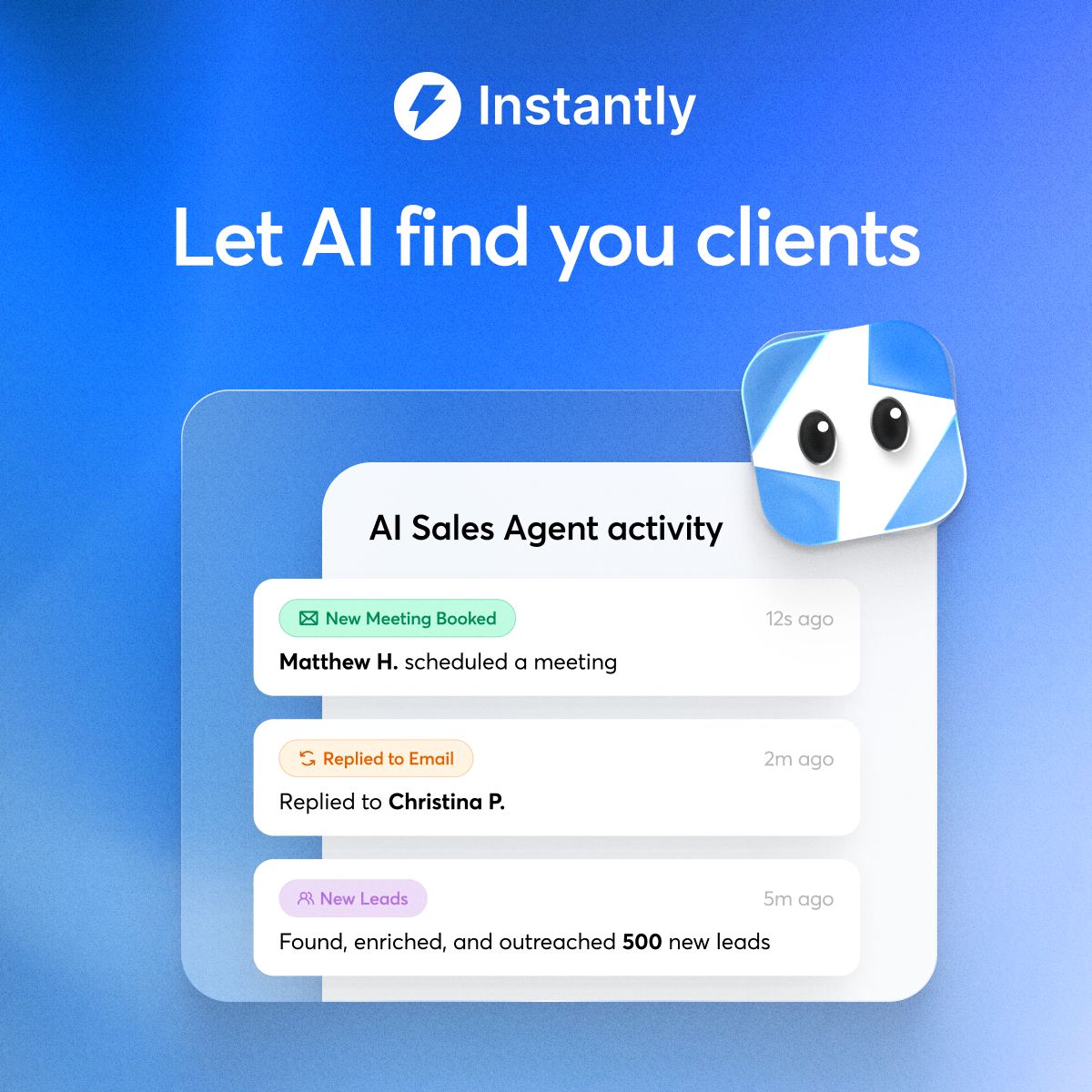
A B2B stack might connect Sales Navigator and Apollo for prospecting, Clay for enrichment, an email execution tool such as Lemlist, Instantly, or Smartlead, and a LinkedIn outreach tool such as HeyReach. Send qualified activity to the CRM for ownership and attribution. Choose only the components your sales motion needs (overlapping execution tools add cost and operational work).
Instrument the handoff
Track processing time separately from rep response time. Sendspark's B2B response-time framework separates routing, enrichment, and scoring delays from the time a rep takes to act. That helps RevOps identify whether assignment logic or follow-up behavior needs attention.
Write fit rules before evaluating a platform. Grou can generate and qualify leads and book meetings while the client's sales team runs calls and closes deals. Activity is tagged at source in the client's CRM, and a monthly pipeline quality card highlights qualified leads and their scores.
Grou is a B2B pipeline agency serving companies across iGaming, SaaS, manufacturing, and professional services. Its approach connects one target list, one message, and one reporting line, with work reviewed in two-week sprints.
Grou connects targeted lead generation, outbound sequencing, reply routing, and CRM source tagging. Visit Grou with your deal-source export to identify where qualification, ownership, or attribution needs work before you add another platform.
Pipeline OS Newsletter
Build qualified pipeline
Get weekly tactics to generate demand, improve lead quality, and book more meetings.




Trusted by industry leaders
Trusted by industry leaders
Trusted by industry leaders
Ready to build qualified pipeline?
Ready to build qualified pipeline?
Ready to build qualified pipeline?
Book a call to see if we're the right fit, or take the 2-minute quiz to get a clear starting point.
Book a call to see if we're the right fit, or take the 2-minute quiz to get a clear starting point.
Book a call to see if we're the right fit, or take the 2-minute quiz to get a clear starting point.
" height="30.21639343089746px" id="hfGbXmQR2" width="30.216393430897455px"/></svg>)
Copyright © 2026 – All Right Reserved
Copyright © 2026 – All Right Reserved
Copyright © 2026 – All Right Reserved