NEW WEBINAR: Learn how to fill your B2B webinar seatsHow to fill your B2B webinar seatsSave your seat
%22%3E%3C/path%3E%3Cpath d=%22M 63.072 7.554 C 62.258 8.022 61.577 8.689 61.092 9.493 L 61.092 7.076 L 57.158 7.076 L 57.158 22.64 L 61.089 22.64 L 61.089 14.888 C 61.089 13.446 61.403 12.434 62.03 11.853 C 62.818 11.218 63.818 10.907 64.826 10.982 L 65.868 10.982 L 65.868 6.851 C 64.891 6.834 63.926 7.076 63.073 7.554 Z%22 fill=%22rgb(17,17,17)%22%3E%3C/path%3E%3Cpath d=%22M 78.916 7.82 C 76.363 6.49 73.321 6.49 70.768 7.82 C 69.562 8.473 68.564 9.451 67.888 10.644 C 67.167 11.931 66.803 13.387 66.834 14.862 C 66.804 16.332 67.157 17.785 67.86 19.077 C 68.515 20.267 69.494 21.246 70.684 21.901 C 71.924 22.576 73.318 22.92 74.73 22.898 C 76.164 22.918 77.58 22.575 78.846 21.901 C 80.062 21.247 81.073 20.27 81.768 19.077 C 82.506 17.797 82.88 16.339 82.85 14.862 C 82.88 13.389 82.517 11.934 81.797 10.647 C 81.12 9.455 80.122 8.477 78.917 7.824 M 78.803 14.862 C 78.829 15.739 78.636 16.608 78.241 17.391 C 77.903 18.046 77.38 18.588 76.738 18.95 C 76.124 19.293 75.432 19.472 74.729 19.47 C 73.668 19.497 72.648 19.061 71.934 18.276 C 71.139 17.323 70.741 16.1 70.823 14.862 C 70.741 13.62 71.149 12.395 71.959 11.45 C 72.687 10.667 73.715 10.233 74.783 10.256 C 75.859 10.236 76.894 10.67 77.635 11.45 C 78.464 12.387 78.884 13.616 78.801 14.864%22 fill=%22rgb(17,17,17)%22%3E%3C/path%3E%3Cpath d=%22M 95.906 7.076 L 95.906 15.646 C 95.975 16.68 95.643 17.701 94.979 18.498 C 94.311 19.184 93.379 19.547 92.422 19.495 C 91.475 19.544 90.553 19.18 89.894 18.498 C 89.23 17.701 88.898 16.68 88.967 15.646 L 88.967 7.076 L 85.033 7.076 L 85.033 16.207 C 85 17.449 85.275 18.68 85.834 19.79 C 86.327 20.75 87.095 21.542 88.039 22.065 C 89.033 22.594 90.145 22.861 91.271 22.838 C 92.188 22.847 93.095 22.65 93.926 22.263 C 94.708 21.905 95.388 21.36 95.906 20.675 L 95.906 22.645 L 99.865 22.645 L 99.865 7.076 Z%22 fill=%22rgb(17,17,17)%22%3E%3C/path%3E%3Cpath d=%22M 4.513 15.626 C 4.511 10.815 7.606 6.549 12.181 5.059 C 16.756 3.57 21.77 5.195 24.601 9.086 L 27.816 5.87 C 24.074 1.186 17.981 -0.943 12.137 0.393 C 6.292 1.728 1.728 6.292 0.393 12.137 C -0.943 17.981 1.186 24.074 5.87 27.816 L 9.085 24.601 C 6.214 22.512 4.515 19.177 4.513 15.626%22 fill=%22rgb(32,62,235)%22%3E%3C/path%3E%3Cpath d=%22M 17.114 14.343 L 13.354 18.01 L 13.354 18.026 L 21.071 18.026 L 11.412 27.609 L 17.389 27.609 L 23.999 21.081 L 23.999 28.316 L 24.005 28.316 L 27.967 24.393 L 27.967 14.343 Z%22 fill=%22rgb(32,62,235)%22%3E%3C/path%3E%3C/g%3E%3C/svg%3E) ×
×
NEW WEBINAR: Learn how to fill your B2B webinar seatsHow to fill your B2B webinar seatsSave your seat
×NEW WEBINAR: Learn how to fill your B2B webinar seatsHow to fill your B2B webinar seatsSave your seat
×›
›
›
›
Sales Pipeline Management: 2026 Strategy Guide
Sales Pipeline Management: 2026 Strategy Guide
Sales Pipeline Management: 2026 Strategy Guide
Sales Pipeline Management: 2026 Strategy Guide
Sales Pipeline Management: 2026 Strategy Guide
Sales Pipeline Management: 2026 Strategy Guide

Author
Aljaz Peklaj

Your CRM says the quarter is healthy. The rep meeting says otherwise. Deals are sitting in proposal with no reply, forecasts depend on rep optimism, and the pipeline looks bigger every week without getting easier to close.
That usually isn't a lead volume problem. It's a sales pipeline management problem. The fix is structure. Clear stages, hard exit criteria, routing rules, and a dashboard that tells you where momentum dies.
TL;DR
Run a 6-stage pipeline with written exit criteria. A formal pipeline with clear buyer-milestone stages matters because vague labels can cause over 25% of opportunities to stall, according to Big Red Jelly.
Build quality upstream. Use Apollo, Clay, Sales Navigator, Lemlist, Instantly, and HeyReach to feed the pipeline with ICP-fit accounts before outreach starts.
Speed wins after engagement. Tight routing, SLA ownership, and multi-threading keep deals from slipping into rep-managed limbo.
Treat every stalled deal the same way. If there's no booked next step, run a 30-day recovery sequence, then move it out.
Review six dashboard widgets every Monday. Pipeline by stage, conversion, time in stage, coverage, source attribution, and forecast accuracy tell you where the process is breaking.
Table of Contents
The 6-stage framework for a predictable pipeline
Why strict stages matter
Our 6-stage framework
Building the pipeline engine with ICP, enrichment, and sequencing
Start with account selection, not messaging
Turn data into sequences that reps can trust
Managing pipeline flow with routing, SLAs, and multi-threading
Routing rules need an owner
Multi-threading is a control system
The 5-step rapid fix for stalled deals
A 30-day recovery motion
Most stalls were created earlier
The 6-widget dashboard for pipeline health
The Monday dashboard
Velocity is the master metric
Industry-specific workflows and common failure modes
How the framework changes by industry
Where most pipelines break
The 6-stage framework for a predictable pipeline
Why strict stages matter
Monday forecast call. One AE has five deals in Proposal because prospects asked for pricing. Another has three in Negotiation because legal was mentioned once. A third moved an account to Qualified after a strong first call, but there is still no confirmed pain, no buying process, and no next meeting on the calendar.
That is not a pipeline problem. It is a stage-governance problem.
Teams usually lose forecast accuracy when stage changes are based on rep judgment instead of buyer evidence. In practice, every stage needs a required buyer action, a required CRM record, and a clear reason the deal belongs there. Without that, velocity reports are noisy, conversion rates mean very little, and managers spend inspection time debating definitions instead of fixing deals.

The same pattern shows up in other workflow-heavy systems. Teams comparing top investment management tools still need clear entry and exit rules, owner accountability, and consistent handoffs. Sales works the same way.
Practical rule: A deal advances only when the buyer does something observable and the rep records it correctly.
For teams that want a shared definition of stage logic, it helps to document each deal stage in one internal reference and keep the wording identical in CRM, reporting, and rep training.
Our 6-stage framework
We run six stages. Not because six is magic, but because it is enough to separate prospecting activity, qualification quality, commercial progress, and closed revenue without turning the CRM into a filing cabinet.
New lead
Entry state: a record is created from outbound, inbound, referral, or partner source.
Required fields: account name, source, owner, geography, employee band, and primary persona.
Exit criterion: the account fits the ICP and at least one contact is validated as a plausible buying role.Contacted
This stage starts after the first outbound motion is live or inbound follow-up has been completed. We do not use it for records that were merely assigned.
Required evidence: at least two touchpoints logged, or one completed inbound response attempt within SLA.
Exit criterion: the prospect replies, books time, or shows verified engagement worth sales follow-up.Qualified Weak pipelines usually originate at this stage, so the bar needs to be high. Discovery has to confirm a problem, business context, a likely decision process, and a reason this deal deserves rep time now.
Required evidence: call notes in CRM, next meeting booked, and a clear summary of pain, priority, stakeholders, and timing.
Exit criterion: the opportunity has a real use case, a defined buying path, and enough information to justify solution design.Proposal
Proposal means the commercial conversation is active. It does not mean a deck was emailed. Scope, pricing logic, and decision criteria should already be discussed before anything formal is sent.
Required evidence: proposal or pricing document logged, decision group identified, and commercial assumptions documented.
Exit criterion: the buyer acknowledges receipt and agrees to review against defined criteria.Negotiation
A deal enters Negotiation when procurement, legal, security review, redlines, or commercial objections are active. If none of that has started, it stays in Proposal.
Required evidence: active redlines, pricing revision, procurement step, or documented objection handling with named stakeholders.
Exit criterion: commercial terms are accepted and both sides are aligned on signature path and start timing.Closed
Closed is an operational state, not a rep sentiment. Revenue should be ready to hand off cleanly.
Required evidence: signed agreement, confirmed start date, handoff owner, and implementation or kickoff plan.
Exit criterion: the deal is marked Closed Won or Closed Lost with reason codes completed.
Two operating rules sit under the whole model.
Every stage has a written exit criterion in the CRM.
Every open deal has a dated next step.
If a rep says, “I'll follow up next week,” but there is no meeting, task, or mutual action plan attached to the opportunity, the deal is not being managed. It is waiting.
Building the pipeline engine with ICP, enrichment, and sequencing
Start with account selection, not messaging
The pipeline gets won or lost before the first email goes out. If Stage 1 is filled with loose-fit companies, the rest of the system spends weeks trying to rescue bad inputs.
We build the top of pipeline in a fixed order. Apollo for broad account and contact sourcing. Sales Navigator for buying-role validation and account mapping. Clay for enrichment, cleanup, and segmentation logic. Then the cleaned list moves into Lemlist, Instantly, or HeyReach depending on channel mix.

The sequence starts with the account, not the contact. First define the ICP at company level, then the persona set inside that account. That means industry, size band, geography, delivery model, and commercial fit first. Job titles come second.
A lot of teams also lose quality on inbound because the form asks for almost nothing and routes almost everything. If you're tightening that layer, this guide to creating a conversion-focused lead capture process is useful because it shows how form structure affects what enters the system.
Turn data into sequences that reps can trust
The point of enrichment isn't to create a prettier contact record. It's to decide whether a prospect belongs in motion, and if yes, which motion.
We usually enrich for practical fields such as:
Company fit fields → vertical, employee band, region, offering type, hiring pattern
Persona fields → role, function, seniority, reporting line, likely buying influence
Outreach logic fields → channel availability, LinkedIn presence, recent activity, reply owner
Qualification support fields → possible use case, likely pain area, implementation complexity
Weighted judgement matters here. Fewer than 30% of sales teams implement weighted pipelines that account for individual rep effectiveness and deal quality, even though that approach forecasts more accurately than average win rates alone, according to Highspot's sales pipeline analysis.
The list build should answer one question before outreach starts: should this account enter the pipeline at all?
That's also why we prefer tighter segmentation over giant static lists. A manufacturing campaign aimed at plant leadership won't use the same enrichment logic as legal tech outreach to revenue leaders. Different buying groups, different proof points, different objections.
For teams that don't want to stitch this together manually, Grou runs this as one operating system across LinkedIn, enrichment, outbound sequencing, and reply routing. The useful part isn't the channel mix by itself. It's that one ICP definition flows through the whole engine instead of changing from tool to tool.
If your team hasn't documented the profile clearly, start by writing the ideal customer profile in operational terms. Most “pipeline inconsistency” shows up because sales, marketing, and ops are working from different target definitions.
Managing pipeline flow with routing, SLAs, and multi-threading
Routing rules need an owner
Once a lead replies, speed becomes part of the qualification process. Not because speed is fashionable, but because delayed handoff creates confusion, duplicate outreach, and buyer drop-off.
HubSpot is usually the control layer here. Forms, inboxes, meeting requests, and lifecycle triggers should route automatically by territory, segment, or named owner. If routing depends on someone checking Slack and manually assigning records, it will fail at the worst time.

The rules need to be plain enough that anyone can audit them:
Inbound demo requests → assign instantly to the correct AE or SDR queue
Outbound positive replies → route to the rep who opened the thread, unless account ownership overrides it
Strategic accounts → bypass generic queues and go to named owners
Partner or referral leads → mark source and notify both sales owner and leadership sponsor
Teams that excel at lead nurturing generate 50% more sales-ready leads at 33% lower cost, according to Forbes Advisor's sales pipeline guidance. That result doesn't come from sending more touches. It comes from disciplined follow-up and clean ownership.
If your current setup is fuzzy, map the process in one place first. A shared definition of lead routing automation helps because it forces decisions on ownership, timing, and exception handling.
Multi-threading is a control system
Single-threaded deals look healthy until your champion goes quiet. Then the entire opportunity turns into “just checking in” messages.
Multi-threading should start earlier than typically anticipated. If discovery confirms a legitimate project, add the likely economic buyer, operator, and risk owner as soon as possible. In SaaS that may be revenue, ops, and security. In manufacturing it may be commercial, technical, and procurement. In legal tech it may be practice leadership, operations, and IT.
A few triggers should force a weekly leadership review:
Large deal relative to your normal ACV → more internal scrutiny, more external complexity
Strategic logo → lower revenue can still matter if the account changes future access
Buying committee is expanding → more stakeholders means more stall risk
Champion risk appears → role change, silence, or clear doubt
Procurement or legal enters → real progress, but a different motion
Speed without routing creates chaos. Routing without multi-threading creates fragility.
That's why strong pipeline flow is operational, not just responsive. One owner, one SLA, and more than one relationship inside the account.
The 5-step rapid fix for stalled deals
A 30-day recovery motion
A stalled deal isn't “quiet.” It's a deal without a booked next step. Once you define it that way, recovery becomes much simpler because every rep follows the same sequence instead of improvising.
Here's the 30-day motion we use.
Day 3
Send a short value-add. A relevant case study, one useful tool, or one concise insight tied to the buyer's problem. No ask attached.Day 7
Ask the direct question. Is this still a priority this quarter, or has something shifted? Buyers answer this more often than another soft follow-up.Day 14
Send the close-out note. Keep it respectful and clean. You're closing the file unless they want to reopen the conversation.Day 21
Multi-thread the account. If the original contact went dark, go up or sideways to another stakeholder who was involved or should have been involved.Day 30
Move it to nurture. Don't leave dead weight in active pipeline. Put the contact into a slower, content-led re-engagement path.
“Closing your file unless I hear back” works because it gives the buyer an easy decision, reply or release.
That sequence does two jobs. It revives the minority of deals that still have urgency, and it removes fake pipeline from the forecast.
Most stalls were created earlier
The downstream playbook is useful, but the actual fix is usually in qualification. If the rep can't answer why now, who else decides, and what the buyer is trying to change, the deal was never stable.
That's why every proposal-stage opportunity should have a documented close plan, not just a next task. A real plan shows stakeholders, open risks, decision steps, and what has to happen before signature.
Monthly lost-deal review matters here. Not for blame. For pattern detection. If proposal-stage stalls keep clustering around the same objections or the same type of buyer, your Stage 3 qualification gate is too loose.
The 6-widget dashboard for pipeline health
A pipeline review should take minutes, not an hour-long storytelling session. If the dashboard is built correctly, leadership can tell where the process is slipping almost immediately.

The Monday dashboard
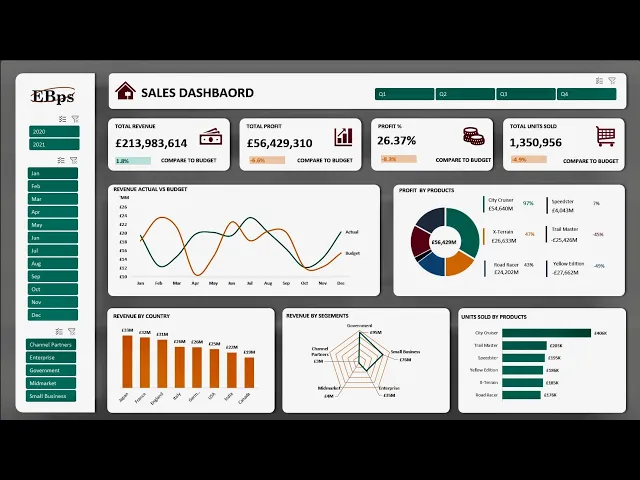
We use six widgets in HubSpot and review them every Monday morning. That's enough to spot bottlenecks, bad forecasting habits, and source quality without drowning in vanity reporting.
Widget | What it answers | Action if it looks wrong |
|---|---|---|
Pipeline by stage | Is value piling up in the wrong place? | Inspect stage gates and remove inflated deals |
Stage conversion rates | Where does process quality break? | Review discovery, proposal, or negotiation behavior |
Average time in stage | Which deals are aging past reality? | Force recovery motion or close out |
Pipeline coverage ratio | Do we have enough qualified pipeline for target? | Increase creation or tighten qualification |
Source attribution | Which channels create real opportunity? | Shift effort toward better-fit sources |
Forecast accuracy | Which reps overstate close confidence? | Recalibrate close dates and stage discipline |
The one that drives the most action is average time in stage. It catches slow decay before the CRM still shows the deal as “active.”
For teams building their own reporting stack, keep a shared dashboard glossary so sales, marketing, and finance all read the same fields the same way. Most reporting disputes are definition disputes.
Velocity is the master metric
Not every metric deserves equal weight. Sales pipeline velocity, calculated as (Number of opportunities x Win Rate x Average Deal Value / Current Sales Cycle), is the clearest combined signal for pipeline health, as outlined by Ebsta.
That formula matters because it forces the team to stop looking at opportunity count in isolation. A bigger pipeline with weak win rate and long cycle time is still weak.
This walkthrough is worth watching if you're tightening your review cadence and dashboard setup:
A practical dashboard review sounds like this:
Conversion dropped in one stage → inspect the handoff and exit criteria
Time in stage is climbing → run the stalled-deal playbook
Coverage looks healthy but forecast misses → audit deal quality, not volume
One source creates pipeline but not progression → revisit ICP or outreach promise
When the dashboard is healthy and the quarter still feels shaky, the problem is usually data discipline at rep level.
Industry-specific workflows and common failure modes
How the framework changes by industry
The 6-stage framework stays fixed. The proof required to exit each stage should match the way buyers buy in your segment.
In SaaS, Stage 2 and Stage 3 usually break first. Reps hear a clear pain point and move the deal forward before they confirm system fit, implementation ownership, and a date tied to budget or a business initiative. A SaaS opportunity is not qualified because the buyer likes the demo. It is qualified when the account can name the use case, the current workflow it replaces, the owner of rollout, and the consequence of waiting. Teams that want to compare their numbers against broader B2B SaaS benchmarks can use the ranges summarized in PhantomBuster's sales pipeline analysis, but those comparisons only hold if stage exits are enforced the same way on every deal.
In iGaming, logo gravity creates false late-stage pipeline. A known operator enters the CRM, everyone gets excited, and the deal advances on brand value instead of buying evidence. The fix is simple and strict. Stage 2 does not exit until the team has verified market access requirements, operating model fit, and a real commercial owner on the buyer side. If those points are missing, the deal stays early no matter how strategic the account looks.
In manufacturing, the handoff between commercial interest and technical feasibility is where teams lose control. Buyers will often engage procurement and ask for pricing before engineering, implementation, or compliance questions are answered. That creates a crowded proposal stage full of deals that cannot ship. The exit rule should force feasibility checks earlier. If the rep cannot document technical constraints, deployment requirements, and procurement path, the opportunity should not enter proposal.
In professional services, especially legal tech and advisory-led sales, single-threaded deals survive too long. One senior contact can sound decisive, ask for a scope, and still fail to bring partners, operations, or finance with them. In this motion, stage exits need stakeholder coverage. A late-stage deal with one active contact is usually a disguised Stage 2 opportunity.
Where most pipelines break
The failure modes are repetitive, but the trigger looks different by industry.
Interest gets logged as active buying
A contact joined a call, asked informed questions, and requested follow-up. That only proves engagement. Stage 3 should require documented urgency, a named decision process, and a clear success definition in the CRM.Proposal becomes a discovery substitute
Reps send pricing to create momentum, especially in manufacturing and services. Buyers often use that document to delay, compare, or forward internally without context. Proposal-stage entry should require agreed evaluation criteria, commercial boundaries, and confirmation of who will review the offer.A strategic account gets exempted from stage rules
This happens often in iGaming and enterprise SaaS. The account name gets treated as evidence. It is not. If buyer access, timeline, and ownership are still unclear, keep the deal where it belongs.Technical risk appears after commercial commitment
Manufacturing teams see this constantly. The rep has sponsor interest and verbal alignment, then legal, security, implementation, or product constraints surface late and stall the deal. Push those checks into qualification and proposal prep, not redlines.One internal champion carries the whole opportunity
Professional services and consultative SaaS deals are especially exposed here. If the champion leaves, loses priority, or cannot build internal consensus, the deal resets. Multi-threading should be a stage requirement, not cleanup work after the deal slips.Close dates follow rep optimism instead of buyer action
Once that happens, forecast categories stop meaning anything. The clean fix is to tie date confidence to buyer-side events such as a scheduled procurement review, legal kickoff, security review, or final decision meeting.
The practical takeaway is to build one framework, then write separate exit tests for each motion. In HubSpot or Salesforce, that usually means keeping the same stage names across the business while changing required fields, validation rules, and MEDDICC-style evidence by segment. A SaaS AE may need rollout owner and integration fit before Stage 3. A manufacturing rep may need feasibility confirmed by solutions engineering. A services seller may need two active stakeholders and budget owner access before proposal.
That configuration does more than clean up reporting. It exposes where your pipeline is structurally weak. If one segment piles up in proposal, the issue is usually upstream qualification. If one segment shows long late-stage aging with high logo quality, the issue is often missing stakeholder coverage or procurement mapping. Those patterns tell RevOps what to tighten next, and they give managers a cleaner way to inspect deals without turning every forecast call into opinion trading.
If your team wants a tighter operating model around ICP definition, enrichment, outbound, reply routing, and dashboard reporting, Grou is built for that exact problem. Start by auditing one live pipeline against written exit criteria, routing ownership, and time-in-stage thresholds, then rebuild the process where deals are currently drifting.
Your CRM says the quarter is healthy. The rep meeting says otherwise. Deals are sitting in proposal with no reply, forecasts depend on rep optimism, and the pipeline looks bigger every week without getting easier to close.
That usually isn't a lead volume problem. It's a sales pipeline management problem. The fix is structure. Clear stages, hard exit criteria, routing rules, and a dashboard that tells you where momentum dies.
TL;DR
Run a 6-stage pipeline with written exit criteria. A formal pipeline with clear buyer-milestone stages matters because vague labels can cause over 25% of opportunities to stall, according to Big Red Jelly.
Build quality upstream. Use Apollo, Clay, Sales Navigator, Lemlist, Instantly, and HeyReach to feed the pipeline with ICP-fit accounts before outreach starts.
Speed wins after engagement. Tight routing, SLA ownership, and multi-threading keep deals from slipping into rep-managed limbo.
Treat every stalled deal the same way. If there's no booked next step, run a 30-day recovery sequence, then move it out.
Review six dashboard widgets every Monday. Pipeline by stage, conversion, time in stage, coverage, source attribution, and forecast accuracy tell you where the process is breaking.
Table of Contents
The 6-stage framework for a predictable pipeline
Why strict stages matter
Our 6-stage framework
Building the pipeline engine with ICP, enrichment, and sequencing
Start with account selection, not messaging
Turn data into sequences that reps can trust
Managing pipeline flow with routing, SLAs, and multi-threading
Routing rules need an owner
Multi-threading is a control system
The 5-step rapid fix for stalled deals
A 30-day recovery motion
Most stalls were created earlier
The 6-widget dashboard for pipeline health
The Monday dashboard
Velocity is the master metric
Industry-specific workflows and common failure modes
How the framework changes by industry
Where most pipelines break
The 6-stage framework for a predictable pipeline
Why strict stages matter
Monday forecast call. One AE has five deals in Proposal because prospects asked for pricing. Another has three in Negotiation because legal was mentioned once. A third moved an account to Qualified after a strong first call, but there is still no confirmed pain, no buying process, and no next meeting on the calendar.
That is not a pipeline problem. It is a stage-governance problem.
Teams usually lose forecast accuracy when stage changes are based on rep judgment instead of buyer evidence. In practice, every stage needs a required buyer action, a required CRM record, and a clear reason the deal belongs there. Without that, velocity reports are noisy, conversion rates mean very little, and managers spend inspection time debating definitions instead of fixing deals.
The same pattern shows up in other workflow-heavy systems. Teams comparing top investment management tools still need clear entry and exit rules, owner accountability, and consistent handoffs. Sales works the same way.
Practical rule: A deal advances only when the buyer does something observable and the rep records it correctly.
For teams that want a shared definition of stage logic, it helps to document each deal stage in one internal reference and keep the wording identical in CRM, reporting, and rep training.
Our 6-stage framework
We run six stages. Not because six is magic, but because it is enough to separate prospecting activity, qualification quality, commercial progress, and closed revenue without turning the CRM into a filing cabinet.
New lead
Entry state: a record is created from outbound, inbound, referral, or partner source.
Required fields: account name, source, owner, geography, employee band, and primary persona.
Exit criterion: the account fits the ICP and at least one contact is validated as a plausible buying role.Contacted
This stage starts after the first outbound motion is live or inbound follow-up has been completed. We do not use it for records that were merely assigned.
Required evidence: at least two touchpoints logged, or one completed inbound response attempt within SLA.
Exit criterion: the prospect replies, books time, or shows verified engagement worth sales follow-up.Qualified Weak pipelines usually originate at this stage, so the bar needs to be high. Discovery has to confirm a problem, business context, a likely decision process, and a reason this deal deserves rep time now.
Required evidence: call notes in CRM, next meeting booked, and a clear summary of pain, priority, stakeholders, and timing.
Exit criterion: the opportunity has a real use case, a defined buying path, and enough information to justify solution design.Proposal
Proposal means the commercial conversation is active. It does not mean a deck was emailed. Scope, pricing logic, and decision criteria should already be discussed before anything formal is sent.
Required evidence: proposal or pricing document logged, decision group identified, and commercial assumptions documented.
Exit criterion: the buyer acknowledges receipt and agrees to review against defined criteria.Negotiation
A deal enters Negotiation when procurement, legal, security review, redlines, or commercial objections are active. If none of that has started, it stays in Proposal.
Required evidence: active redlines, pricing revision, procurement step, or documented objection handling with named stakeholders.
Exit criterion: commercial terms are accepted and both sides are aligned on signature path and start timing.Closed
Closed is an operational state, not a rep sentiment. Revenue should be ready to hand off cleanly.
Required evidence: signed agreement, confirmed start date, handoff owner, and implementation or kickoff plan.
Exit criterion: the deal is marked Closed Won or Closed Lost with reason codes completed.
Two operating rules sit under the whole model.
Every stage has a written exit criterion in the CRM.
Every open deal has a dated next step.
If a rep says, “I'll follow up next week,” but there is no meeting, task, or mutual action plan attached to the opportunity, the deal is not being managed. It is waiting.
Building the pipeline engine with ICP, enrichment, and sequencing
Start with account selection, not messaging
The pipeline gets won or lost before the first email goes out. If Stage 1 is filled with loose-fit companies, the rest of the system spends weeks trying to rescue bad inputs.
We build the top of pipeline in a fixed order. Apollo for broad account and contact sourcing. Sales Navigator for buying-role validation and account mapping. Clay for enrichment, cleanup, and segmentation logic. Then the cleaned list moves into Lemlist, Instantly, or HeyReach depending on channel mix.
The sequence starts with the account, not the contact. First define the ICP at company level, then the persona set inside that account. That means industry, size band, geography, delivery model, and commercial fit first. Job titles come second.
A lot of teams also lose quality on inbound because the form asks for almost nothing and routes almost everything. If you're tightening that layer, this guide to creating a conversion-focused lead capture process is useful because it shows how form structure affects what enters the system.
Turn data into sequences that reps can trust
The point of enrichment isn't to create a prettier contact record. It's to decide whether a prospect belongs in motion, and if yes, which motion.
We usually enrich for practical fields such as:
Company fit fields → vertical, employee band, region, offering type, hiring pattern
Persona fields → role, function, seniority, reporting line, likely buying influence
Outreach logic fields → channel availability, LinkedIn presence, recent activity, reply owner
Qualification support fields → possible use case, likely pain area, implementation complexity
Weighted judgement matters here. Fewer than 30% of sales teams implement weighted pipelines that account for individual rep effectiveness and deal quality, even though that approach forecasts more accurately than average win rates alone, according to Highspot's sales pipeline analysis.
The list build should answer one question before outreach starts: should this account enter the pipeline at all?
That's also why we prefer tighter segmentation over giant static lists. A manufacturing campaign aimed at plant leadership won't use the same enrichment logic as legal tech outreach to revenue leaders. Different buying groups, different proof points, different objections.
For teams that don't want to stitch this together manually, Grou runs this as one operating system across LinkedIn, enrichment, outbound sequencing, and reply routing. The useful part isn't the channel mix by itself. It's that one ICP definition flows through the whole engine instead of changing from tool to tool.
If your team hasn't documented the profile clearly, start by writing the ideal customer profile in operational terms. Most “pipeline inconsistency” shows up because sales, marketing, and ops are working from different target definitions.
Managing pipeline flow with routing, SLAs, and multi-threading
Routing rules need an owner
Once a lead replies, speed becomes part of the qualification process. Not because speed is fashionable, but because delayed handoff creates confusion, duplicate outreach, and buyer drop-off.
HubSpot is usually the control layer here. Forms, inboxes, meeting requests, and lifecycle triggers should route automatically by territory, segment, or named owner. If routing depends on someone checking Slack and manually assigning records, it will fail at the worst time.
The rules need to be plain enough that anyone can audit them:
Inbound demo requests → assign instantly to the correct AE or SDR queue
Outbound positive replies → route to the rep who opened the thread, unless account ownership overrides it
Strategic accounts → bypass generic queues and go to named owners
Partner or referral leads → mark source and notify both sales owner and leadership sponsor
Teams that excel at lead nurturing generate 50% more sales-ready leads at 33% lower cost, according to Forbes Advisor's sales pipeline guidance. That result doesn't come from sending more touches. It comes from disciplined follow-up and clean ownership.
If your current setup is fuzzy, map the process in one place first. A shared definition of lead routing automation helps because it forces decisions on ownership, timing, and exception handling.
Multi-threading is a control system
Single-threaded deals look healthy until your champion goes quiet. Then the entire opportunity turns into “just checking in” messages.
Multi-threading should start earlier than typically anticipated. If discovery confirms a legitimate project, add the likely economic buyer, operator, and risk owner as soon as possible. In SaaS that may be revenue, ops, and security. In manufacturing it may be commercial, technical, and procurement. In legal tech it may be practice leadership, operations, and IT.
A few triggers should force a weekly leadership review:
Large deal relative to your normal ACV → more internal scrutiny, more external complexity
Strategic logo → lower revenue can still matter if the account changes future access
Buying committee is expanding → more stakeholders means more stall risk
Champion risk appears → role change, silence, or clear doubt
Procurement or legal enters → real progress, but a different motion
Speed without routing creates chaos. Routing without multi-threading creates fragility.
That's why strong pipeline flow is operational, not just responsive. One owner, one SLA, and more than one relationship inside the account.
The 5-step rapid fix for stalled deals
A 30-day recovery motion
A stalled deal isn't “quiet.” It's a deal without a booked next step. Once you define it that way, recovery becomes much simpler because every rep follows the same sequence instead of improvising.
Here's the 30-day motion we use.
Day 3
Send a short value-add. A relevant case study, one useful tool, or one concise insight tied to the buyer's problem. No ask attached.Day 7
Ask the direct question. Is this still a priority this quarter, or has something shifted? Buyers answer this more often than another soft follow-up.Day 14
Send the close-out note. Keep it respectful and clean. You're closing the file unless they want to reopen the conversation.Day 21
Multi-thread the account. If the original contact went dark, go up or sideways to another stakeholder who was involved or should have been involved.Day 30
Move it to nurture. Don't leave dead weight in active pipeline. Put the contact into a slower, content-led re-engagement path.
“Closing your file unless I hear back” works because it gives the buyer an easy decision, reply or release.
That sequence does two jobs. It revives the minority of deals that still have urgency, and it removes fake pipeline from the forecast.
Most stalls were created earlier
The downstream playbook is useful, but the actual fix is usually in qualification. If the rep can't answer why now, who else decides, and what the buyer is trying to change, the deal was never stable.
That's why every proposal-stage opportunity should have a documented close plan, not just a next task. A real plan shows stakeholders, open risks, decision steps, and what has to happen before signature.
Monthly lost-deal review matters here. Not for blame. For pattern detection. If proposal-stage stalls keep clustering around the same objections or the same type of buyer, your Stage 3 qualification gate is too loose.
The 6-widget dashboard for pipeline health
A pipeline review should take minutes, not an hour-long storytelling session. If the dashboard is built correctly, leadership can tell where the process is slipping almost immediately.
The Monday dashboard
We use six widgets in HubSpot and review them every Monday morning. That's enough to spot bottlenecks, bad forecasting habits, and source quality without drowning in vanity reporting.
Widget | What it answers | Action if it looks wrong |
|---|---|---|
Pipeline by stage | Is value piling up in the wrong place? | Inspect stage gates and remove inflated deals |
Stage conversion rates | Where does process quality break? | Review discovery, proposal, or negotiation behavior |
Average time in stage | Which deals are aging past reality? | Force recovery motion or close out |
Pipeline coverage ratio | Do we have enough qualified pipeline for target? | Increase creation or tighten qualification |
Source attribution | Which channels create real opportunity? | Shift effort toward better-fit sources |
Forecast accuracy | Which reps overstate close confidence? | Recalibrate close dates and stage discipline |
The one that drives the most action is average time in stage. It catches slow decay before the CRM still shows the deal as “active.”
For teams building their own reporting stack, keep a shared dashboard glossary so sales, marketing, and finance all read the same fields the same way. Most reporting disputes are definition disputes.
Velocity is the master metric
Not every metric deserves equal weight. Sales pipeline velocity, calculated as (Number of opportunities x Win Rate x Average Deal Value / Current Sales Cycle), is the clearest combined signal for pipeline health, as outlined by Ebsta.
That formula matters because it forces the team to stop looking at opportunity count in isolation. A bigger pipeline with weak win rate and long cycle time is still weak.
This walkthrough is worth watching if you're tightening your review cadence and dashboard setup:
A practical dashboard review sounds like this:
Conversion dropped in one stage → inspect the handoff and exit criteria
Time in stage is climbing → run the stalled-deal playbook
Coverage looks healthy but forecast misses → audit deal quality, not volume
One source creates pipeline but not progression → revisit ICP or outreach promise
When the dashboard is healthy and the quarter still feels shaky, the problem is usually data discipline at rep level.
Industry-specific workflows and common failure modes
How the framework changes by industry
The 6-stage framework stays fixed. The proof required to exit each stage should match the way buyers buy in your segment.
In SaaS, Stage 2 and Stage 3 usually break first. Reps hear a clear pain point and move the deal forward before they confirm system fit, implementation ownership, and a date tied to budget or a business initiative. A SaaS opportunity is not qualified because the buyer likes the demo. It is qualified when the account can name the use case, the current workflow it replaces, the owner of rollout, and the consequence of waiting. Teams that want to compare their numbers against broader B2B SaaS benchmarks can use the ranges summarized in PhantomBuster's sales pipeline analysis, but those comparisons only hold if stage exits are enforced the same way on every deal.
In iGaming, logo gravity creates false late-stage pipeline. A known operator enters the CRM, everyone gets excited, and the deal advances on brand value instead of buying evidence. The fix is simple and strict. Stage 2 does not exit until the team has verified market access requirements, operating model fit, and a real commercial owner on the buyer side. If those points are missing, the deal stays early no matter how strategic the account looks.
In manufacturing, the handoff between commercial interest and technical feasibility is where teams lose control. Buyers will often engage procurement and ask for pricing before engineering, implementation, or compliance questions are answered. That creates a crowded proposal stage full of deals that cannot ship. The exit rule should force feasibility checks earlier. If the rep cannot document technical constraints, deployment requirements, and procurement path, the opportunity should not enter proposal.
In professional services, especially legal tech and advisory-led sales, single-threaded deals survive too long. One senior contact can sound decisive, ask for a scope, and still fail to bring partners, operations, or finance with them. In this motion, stage exits need stakeholder coverage. A late-stage deal with one active contact is usually a disguised Stage 2 opportunity.
Where most pipelines break
The failure modes are repetitive, but the trigger looks different by industry.
Interest gets logged as active buying
A contact joined a call, asked informed questions, and requested follow-up. That only proves engagement. Stage 3 should require documented urgency, a named decision process, and a clear success definition in the CRM.Proposal becomes a discovery substitute
Reps send pricing to create momentum, especially in manufacturing and services. Buyers often use that document to delay, compare, or forward internally without context. Proposal-stage entry should require agreed evaluation criteria, commercial boundaries, and confirmation of who will review the offer.A strategic account gets exempted from stage rules
This happens often in iGaming and enterprise SaaS. The account name gets treated as evidence. It is not. If buyer access, timeline, and ownership are still unclear, keep the deal where it belongs.Technical risk appears after commercial commitment
Manufacturing teams see this constantly. The rep has sponsor interest and verbal alignment, then legal, security, implementation, or product constraints surface late and stall the deal. Push those checks into qualification and proposal prep, not redlines.One internal champion carries the whole opportunity
Professional services and consultative SaaS deals are especially exposed here. If the champion leaves, loses priority, or cannot build internal consensus, the deal resets. Multi-threading should be a stage requirement, not cleanup work after the deal slips.Close dates follow rep optimism instead of buyer action
Once that happens, forecast categories stop meaning anything. The clean fix is to tie date confidence to buyer-side events such as a scheduled procurement review, legal kickoff, security review, or final decision meeting.
The practical takeaway is to build one framework, then write separate exit tests for each motion. In HubSpot or Salesforce, that usually means keeping the same stage names across the business while changing required fields, validation rules, and MEDDICC-style evidence by segment. A SaaS AE may need rollout owner and integration fit before Stage 3. A manufacturing rep may need feasibility confirmed by solutions engineering. A services seller may need two active stakeholders and budget owner access before proposal.
That configuration does more than clean up reporting. It exposes where your pipeline is structurally weak. If one segment piles up in proposal, the issue is usually upstream qualification. If one segment shows long late-stage aging with high logo quality, the issue is often missing stakeholder coverage or procurement mapping. Those patterns tell RevOps what to tighten next, and they give managers a cleaner way to inspect deals without turning every forecast call into opinion trading.
If your team wants a tighter operating model around ICP definition, enrichment, outbound, reply routing, and dashboard reporting, Grou is built for that exact problem. Start by auditing one live pipeline against written exit criteria, routing ownership, and time-in-stage thresholds, then rebuild the process where deals are currently drifting.
Your CRM says the quarter is healthy. The rep meeting says otherwise. Deals are sitting in proposal with no reply, forecasts depend on rep optimism, and the pipeline looks bigger every week without getting easier to close.
That usually isn't a lead volume problem. It's a sales pipeline management problem. The fix is structure. Clear stages, hard exit criteria, routing rules, and a dashboard that tells you where momentum dies.
TL;DR
Run a 6-stage pipeline with written exit criteria. A formal pipeline with clear buyer-milestone stages matters because vague labels can cause over 25% of opportunities to stall, according to Big Red Jelly.
Build quality upstream. Use Apollo, Clay, Sales Navigator, Lemlist, Instantly, and HeyReach to feed the pipeline with ICP-fit accounts before outreach starts.
Speed wins after engagement. Tight routing, SLA ownership, and multi-threading keep deals from slipping into rep-managed limbo.
Treat every stalled deal the same way. If there's no booked next step, run a 30-day recovery sequence, then move it out.
Review six dashboard widgets every Monday. Pipeline by stage, conversion, time in stage, coverage, source attribution, and forecast accuracy tell you where the process is breaking.
Table of Contents
The 6-stage framework for a predictable pipeline
Why strict stages matter
Our 6-stage framework
Building the pipeline engine with ICP, enrichment, and sequencing
Start with account selection, not messaging
Turn data into sequences that reps can trust
Managing pipeline flow with routing, SLAs, and multi-threading
Routing rules need an owner
Multi-threading is a control system
The 5-step rapid fix for stalled deals
A 30-day recovery motion
Most stalls were created earlier
The 6-widget dashboard for pipeline health
The Monday dashboard
Velocity is the master metric
Industry-specific workflows and common failure modes
How the framework changes by industry
Where most pipelines break
The 6-stage framework for a predictable pipeline
Why strict stages matter
Monday forecast call. One AE has five deals in Proposal because prospects asked for pricing. Another has three in Negotiation because legal was mentioned once. A third moved an account to Qualified after a strong first call, but there is still no confirmed pain, no buying process, and no next meeting on the calendar.
That is not a pipeline problem. It is a stage-governance problem.
Teams usually lose forecast accuracy when stage changes are based on rep judgment instead of buyer evidence. In practice, every stage needs a required buyer action, a required CRM record, and a clear reason the deal belongs there. Without that, velocity reports are noisy, conversion rates mean very little, and managers spend inspection time debating definitions instead of fixing deals.
The same pattern shows up in other workflow-heavy systems. Teams comparing top investment management tools still need clear entry and exit rules, owner accountability, and consistent handoffs. Sales works the same way.
Practical rule: A deal advances only when the buyer does something observable and the rep records it correctly.
For teams that want a shared definition of stage logic, it helps to document each deal stage in one internal reference and keep the wording identical in CRM, reporting, and rep training.
Our 6-stage framework
We run six stages. Not because six is magic, but because it is enough to separate prospecting activity, qualification quality, commercial progress, and closed revenue without turning the CRM into a filing cabinet.
New lead
Entry state: a record is created from outbound, inbound, referral, or partner source.
Required fields: account name, source, owner, geography, employee band, and primary persona.
Exit criterion: the account fits the ICP and at least one contact is validated as a plausible buying role.Contacted
This stage starts after the first outbound motion is live or inbound follow-up has been completed. We do not use it for records that were merely assigned.
Required evidence: at least two touchpoints logged, or one completed inbound response attempt within SLA.
Exit criterion: the prospect replies, books time, or shows verified engagement worth sales follow-up.Qualified Weak pipelines usually originate at this stage, so the bar needs to be high. Discovery has to confirm a problem, business context, a likely decision process, and a reason this deal deserves rep time now.
Required evidence: call notes in CRM, next meeting booked, and a clear summary of pain, priority, stakeholders, and timing.
Exit criterion: the opportunity has a real use case, a defined buying path, and enough information to justify solution design.Proposal
Proposal means the commercial conversation is active. It does not mean a deck was emailed. Scope, pricing logic, and decision criteria should already be discussed before anything formal is sent.
Required evidence: proposal or pricing document logged, decision group identified, and commercial assumptions documented.
Exit criterion: the buyer acknowledges receipt and agrees to review against defined criteria.Negotiation
A deal enters Negotiation when procurement, legal, security review, redlines, or commercial objections are active. If none of that has started, it stays in Proposal.
Required evidence: active redlines, pricing revision, procurement step, or documented objection handling with named stakeholders.
Exit criterion: commercial terms are accepted and both sides are aligned on signature path and start timing.Closed
Closed is an operational state, not a rep sentiment. Revenue should be ready to hand off cleanly.
Required evidence: signed agreement, confirmed start date, handoff owner, and implementation or kickoff plan.
Exit criterion: the deal is marked Closed Won or Closed Lost with reason codes completed.
Two operating rules sit under the whole model.
Every stage has a written exit criterion in the CRM.
Every open deal has a dated next step.
If a rep says, “I'll follow up next week,” but there is no meeting, task, or mutual action plan attached to the opportunity, the deal is not being managed. It is waiting.
Building the pipeline engine with ICP, enrichment, and sequencing
Start with account selection, not messaging
The pipeline gets won or lost before the first email goes out. If Stage 1 is filled with loose-fit companies, the rest of the system spends weeks trying to rescue bad inputs.
We build the top of pipeline in a fixed order. Apollo for broad account and contact sourcing. Sales Navigator for buying-role validation and account mapping. Clay for enrichment, cleanup, and segmentation logic. Then the cleaned list moves into Lemlist, Instantly, or HeyReach depending on channel mix.
The sequence starts with the account, not the contact. First define the ICP at company level, then the persona set inside that account. That means industry, size band, geography, delivery model, and commercial fit first. Job titles come second.
A lot of teams also lose quality on inbound because the form asks for almost nothing and routes almost everything. If you're tightening that layer, this guide to creating a conversion-focused lead capture process is useful because it shows how form structure affects what enters the system.
Turn data into sequences that reps can trust
The point of enrichment isn't to create a prettier contact record. It's to decide whether a prospect belongs in motion, and if yes, which motion.
We usually enrich for practical fields such as:
Company fit fields → vertical, employee band, region, offering type, hiring pattern
Persona fields → role, function, seniority, reporting line, likely buying influence
Outreach logic fields → channel availability, LinkedIn presence, recent activity, reply owner
Qualification support fields → possible use case, likely pain area, implementation complexity
Weighted judgement matters here. Fewer than 30% of sales teams implement weighted pipelines that account for individual rep effectiveness and deal quality, even though that approach forecasts more accurately than average win rates alone, according to Highspot's sales pipeline analysis.
The list build should answer one question before outreach starts: should this account enter the pipeline at all?
That's also why we prefer tighter segmentation over giant static lists. A manufacturing campaign aimed at plant leadership won't use the same enrichment logic as legal tech outreach to revenue leaders. Different buying groups, different proof points, different objections.
For teams that don't want to stitch this together manually, Grou runs this as one operating system across LinkedIn, enrichment, outbound sequencing, and reply routing. The useful part isn't the channel mix by itself. It's that one ICP definition flows through the whole engine instead of changing from tool to tool.
If your team hasn't documented the profile clearly, start by writing the ideal customer profile in operational terms. Most “pipeline inconsistency” shows up because sales, marketing, and ops are working from different target definitions.
Managing pipeline flow with routing, SLAs, and multi-threading
Routing rules need an owner
Once a lead replies, speed becomes part of the qualification process. Not because speed is fashionable, but because delayed handoff creates confusion, duplicate outreach, and buyer drop-off.
HubSpot is usually the control layer here. Forms, inboxes, meeting requests, and lifecycle triggers should route automatically by territory, segment, or named owner. If routing depends on someone checking Slack and manually assigning records, it will fail at the worst time.
The rules need to be plain enough that anyone can audit them:
Inbound demo requests → assign instantly to the correct AE or SDR queue
Outbound positive replies → route to the rep who opened the thread, unless account ownership overrides it
Strategic accounts → bypass generic queues and go to named owners
Partner or referral leads → mark source and notify both sales owner and leadership sponsor
Teams that excel at lead nurturing generate 50% more sales-ready leads at 33% lower cost, according to Forbes Advisor's sales pipeline guidance. That result doesn't come from sending more touches. It comes from disciplined follow-up and clean ownership.
If your current setup is fuzzy, map the process in one place first. A shared definition of lead routing automation helps because it forces decisions on ownership, timing, and exception handling.
Multi-threading is a control system
Single-threaded deals look healthy until your champion goes quiet. Then the entire opportunity turns into “just checking in” messages.
Multi-threading should start earlier than typically anticipated. If discovery confirms a legitimate project, add the likely economic buyer, operator, and risk owner as soon as possible. In SaaS that may be revenue, ops, and security. In manufacturing it may be commercial, technical, and procurement. In legal tech it may be practice leadership, operations, and IT.
A few triggers should force a weekly leadership review:
Large deal relative to your normal ACV → more internal scrutiny, more external complexity
Strategic logo → lower revenue can still matter if the account changes future access
Buying committee is expanding → more stakeholders means more stall risk
Champion risk appears → role change, silence, or clear doubt
Procurement or legal enters → real progress, but a different motion
Speed without routing creates chaos. Routing without multi-threading creates fragility.
That's why strong pipeline flow is operational, not just responsive. One owner, one SLA, and more than one relationship inside the account.
The 5-step rapid fix for stalled deals
A 30-day recovery motion
A stalled deal isn't “quiet.” It's a deal without a booked next step. Once you define it that way, recovery becomes much simpler because every rep follows the same sequence instead of improvising.
Here's the 30-day motion we use.
Day 3
Send a short value-add. A relevant case study, one useful tool, or one concise insight tied to the buyer's problem. No ask attached.Day 7
Ask the direct question. Is this still a priority this quarter, or has something shifted? Buyers answer this more often than another soft follow-up.Day 14
Send the close-out note. Keep it respectful and clean. You're closing the file unless they want to reopen the conversation.Day 21
Multi-thread the account. If the original contact went dark, go up or sideways to another stakeholder who was involved or should have been involved.Day 30
Move it to nurture. Don't leave dead weight in active pipeline. Put the contact into a slower, content-led re-engagement path.
“Closing your file unless I hear back” works because it gives the buyer an easy decision, reply or release.
That sequence does two jobs. It revives the minority of deals that still have urgency, and it removes fake pipeline from the forecast.
Most stalls were created earlier
The downstream playbook is useful, but the actual fix is usually in qualification. If the rep can't answer why now, who else decides, and what the buyer is trying to change, the deal was never stable.
That's why every proposal-stage opportunity should have a documented close plan, not just a next task. A real plan shows stakeholders, open risks, decision steps, and what has to happen before signature.
Monthly lost-deal review matters here. Not for blame. For pattern detection. If proposal-stage stalls keep clustering around the same objections or the same type of buyer, your Stage 3 qualification gate is too loose.
The 6-widget dashboard for pipeline health
A pipeline review should take minutes, not an hour-long storytelling session. If the dashboard is built correctly, leadership can tell where the process is slipping almost immediately.
The Monday dashboard
We use six widgets in HubSpot and review them every Monday morning. That's enough to spot bottlenecks, bad forecasting habits, and source quality without drowning in vanity reporting.
Widget | What it answers | Action if it looks wrong |
|---|---|---|
Pipeline by stage | Is value piling up in the wrong place? | Inspect stage gates and remove inflated deals |
Stage conversion rates | Where does process quality break? | Review discovery, proposal, or negotiation behavior |
Average time in stage | Which deals are aging past reality? | Force recovery motion or close out |
Pipeline coverage ratio | Do we have enough qualified pipeline for target? | Increase creation or tighten qualification |
Source attribution | Which channels create real opportunity? | Shift effort toward better-fit sources |
Forecast accuracy | Which reps overstate close confidence? | Recalibrate close dates and stage discipline |
The one that drives the most action is average time in stage. It catches slow decay before the CRM still shows the deal as “active.”
For teams building their own reporting stack, keep a shared dashboard glossary so sales, marketing, and finance all read the same fields the same way. Most reporting disputes are definition disputes.
Velocity is the master metric
Not every metric deserves equal weight. Sales pipeline velocity, calculated as (Number of opportunities x Win Rate x Average Deal Value / Current Sales Cycle), is the clearest combined signal for pipeline health, as outlined by Ebsta.
That formula matters because it forces the team to stop looking at opportunity count in isolation. A bigger pipeline with weak win rate and long cycle time is still weak.
This walkthrough is worth watching if you're tightening your review cadence and dashboard setup:
A practical dashboard review sounds like this:
Conversion dropped in one stage → inspect the handoff and exit criteria
Time in stage is climbing → run the stalled-deal playbook
Coverage looks healthy but forecast misses → audit deal quality, not volume
One source creates pipeline but not progression → revisit ICP or outreach promise
When the dashboard is healthy and the quarter still feels shaky, the problem is usually data discipline at rep level.
Industry-specific workflows and common failure modes
How the framework changes by industry
The 6-stage framework stays fixed. The proof required to exit each stage should match the way buyers buy in your segment.
In SaaS, Stage 2 and Stage 3 usually break first. Reps hear a clear pain point and move the deal forward before they confirm system fit, implementation ownership, and a date tied to budget or a business initiative. A SaaS opportunity is not qualified because the buyer likes the demo. It is qualified when the account can name the use case, the current workflow it replaces, the owner of rollout, and the consequence of waiting. Teams that want to compare their numbers against broader B2B SaaS benchmarks can use the ranges summarized in PhantomBuster's sales pipeline analysis, but those comparisons only hold if stage exits are enforced the same way on every deal.
In iGaming, logo gravity creates false late-stage pipeline. A known operator enters the CRM, everyone gets excited, and the deal advances on brand value instead of buying evidence. The fix is simple and strict. Stage 2 does not exit until the team has verified market access requirements, operating model fit, and a real commercial owner on the buyer side. If those points are missing, the deal stays early no matter how strategic the account looks.
In manufacturing, the handoff between commercial interest and technical feasibility is where teams lose control. Buyers will often engage procurement and ask for pricing before engineering, implementation, or compliance questions are answered. That creates a crowded proposal stage full of deals that cannot ship. The exit rule should force feasibility checks earlier. If the rep cannot document technical constraints, deployment requirements, and procurement path, the opportunity should not enter proposal.
In professional services, especially legal tech and advisory-led sales, single-threaded deals survive too long. One senior contact can sound decisive, ask for a scope, and still fail to bring partners, operations, or finance with them. In this motion, stage exits need stakeholder coverage. A late-stage deal with one active contact is usually a disguised Stage 2 opportunity.
Where most pipelines break
The failure modes are repetitive, but the trigger looks different by industry.
Interest gets logged as active buying
A contact joined a call, asked informed questions, and requested follow-up. That only proves engagement. Stage 3 should require documented urgency, a named decision process, and a clear success definition in the CRM.Proposal becomes a discovery substitute
Reps send pricing to create momentum, especially in manufacturing and services. Buyers often use that document to delay, compare, or forward internally without context. Proposal-stage entry should require agreed evaluation criteria, commercial boundaries, and confirmation of who will review the offer.A strategic account gets exempted from stage rules
This happens often in iGaming and enterprise SaaS. The account name gets treated as evidence. It is not. If buyer access, timeline, and ownership are still unclear, keep the deal where it belongs.Technical risk appears after commercial commitment
Manufacturing teams see this constantly. The rep has sponsor interest and verbal alignment, then legal, security, implementation, or product constraints surface late and stall the deal. Push those checks into qualification and proposal prep, not redlines.One internal champion carries the whole opportunity
Professional services and consultative SaaS deals are especially exposed here. If the champion leaves, loses priority, or cannot build internal consensus, the deal resets. Multi-threading should be a stage requirement, not cleanup work after the deal slips.Close dates follow rep optimism instead of buyer action
Once that happens, forecast categories stop meaning anything. The clean fix is to tie date confidence to buyer-side events such as a scheduled procurement review, legal kickoff, security review, or final decision meeting.
The practical takeaway is to build one framework, then write separate exit tests for each motion. In HubSpot or Salesforce, that usually means keeping the same stage names across the business while changing required fields, validation rules, and MEDDICC-style evidence by segment. A SaaS AE may need rollout owner and integration fit before Stage 3. A manufacturing rep may need feasibility confirmed by solutions engineering. A services seller may need two active stakeholders and budget owner access before proposal.
That configuration does more than clean up reporting. It exposes where your pipeline is structurally weak. If one segment piles up in proposal, the issue is usually upstream qualification. If one segment shows long late-stage aging with high logo quality, the issue is often missing stakeholder coverage or procurement mapping. Those patterns tell RevOps what to tighten next, and they give managers a cleaner way to inspect deals without turning every forecast call into opinion trading.
If your team wants a tighter operating model around ICP definition, enrichment, outbound, reply routing, and dashboard reporting, Grou is built for that exact problem. Start by auditing one live pipeline against written exit criteria, routing ownership, and time-in-stage thresholds, then rebuild the process where deals are currently drifting.

Pipeline OS Newsletter
Build qualified pipeline
Get weekly tactics to generate demand, improve lead quality, and book more meetings.





Trusted by industry leaders
Trusted by industry leaders
Trusted by industry leaders
Ready to build qualified pipeline?
Ready to build qualified pipeline?
Ready to build qualified pipeline?
Book a call to see if we're the right fit, or take the 2-minute quiz to get a clear starting point.
Book a call to see if we're the right fit, or take the 2-minute quiz to get a clear starting point.
Book a call to see if we're the right fit, or take the 2-minute quiz to get a clear starting point.
" height="30.21639343089746px" id="hfGbXmQR2" width="30.216393430897455px"/></svg>)
Copyright © 2026 – All Right Reserved
Copyright © 2026 – All Right Reserved
Copyright © 2026 – All Right Reserved