%22%3E%3C/path%3E%3Cpath d=%22M 63.072 7.554 C 62.258 8.022 61.577 8.689 61.092 9.493 L 61.092 7.076 L 57.158 7.076 L 57.158 22.64 L 61.089 22.64 L 61.089 14.888 C 61.089 13.446 61.403 12.434 62.03 11.853 C 62.818 11.218 63.818 10.907 64.826 10.982 L 65.868 10.982 L 65.868 6.851 C 64.891 6.834 63.926 7.076 63.073 7.554 Z%22 fill=%22rgb(17,17,17)%22%3E%3C/path%3E%3Cpath d=%22M 78.916 7.82 C 76.363 6.49 73.321 6.49 70.768 7.82 C 69.562 8.473 68.564 9.451 67.888 10.644 C 67.167 11.931 66.803 13.387 66.834 14.862 C 66.804 16.332 67.157 17.785 67.86 19.077 C 68.515 20.267 69.494 21.246 70.684 21.901 C 71.924 22.576 73.318 22.92 74.73 22.898 C 76.164 22.918 77.58 22.575 78.846 21.901 C 80.062 21.247 81.073 20.27 81.768 19.077 C 82.506 17.797 82.88 16.339 82.85 14.862 C 82.88 13.389 82.517 11.934 81.797 10.647 C 81.12 9.455 80.122 8.477 78.917 7.824 M 78.803 14.862 C 78.829 15.739 78.636 16.608 78.241 17.391 C 77.903 18.046 77.38 18.588 76.738 18.95 C 76.124 19.293 75.432 19.472 74.729 19.47 C 73.668 19.497 72.648 19.061 71.934 18.276 C 71.139 17.323 70.741 16.1 70.823 14.862 C 70.741 13.62 71.149 12.395 71.959 11.45 C 72.687 10.667 73.715 10.233 74.783 10.256 C 75.859 10.236 76.894 10.67 77.635 11.45 C 78.464 12.387 78.884 13.616 78.801 14.864%22 fill=%22rgb(17,17,17)%22%3E%3C/path%3E%3Cpath d=%22M 95.906 7.076 L 95.906 15.646 C 95.975 16.68 95.643 17.701 94.979 18.498 C 94.311 19.184 93.379 19.547 92.422 19.495 C 91.475 19.544 90.553 19.18 89.894 18.498 C 89.23 17.701 88.898 16.68 88.967 15.646 L 88.967 7.076 L 85.033 7.076 L 85.033 16.207 C 85 17.449 85.275 18.68 85.834 19.79 C 86.327 20.75 87.095 21.542 88.039 22.065 C 89.033 22.594 90.145 22.861 91.271 22.838 C 92.188 22.847 93.095 22.65 93.926 22.263 C 94.708 21.905 95.388 21.36 95.906 20.675 L 95.906 22.645 L 99.865 22.645 L 99.865 7.076 Z%22 fill=%22rgb(17,17,17)%22%3E%3C/path%3E%3Cpath d=%22M 4.513 15.626 C 4.511 10.815 7.606 6.549 12.181 5.059 C 16.756 3.57 21.77 5.195 24.601 9.086 L 27.816 5.87 C 24.074 1.186 17.981 -0.943 12.137 0.393 C 6.292 1.728 1.728 6.292 0.393 12.137 C -0.943 17.981 1.186 24.074 5.87 27.816 L 9.085 24.601 C 6.214 22.512 4.515 19.177 4.513 15.626%22 fill=%22rgb(32,62,235)%22%3E%3C/path%3E%3Cpath d=%22M 17.114 14.343 L 13.354 18.01 L 13.354 18.026 L 21.071 18.026 L 11.412 27.609 L 17.389 27.609 L 23.999 21.081 L 23.999 28.316 L 24.005 28.316 L 27.967 24.393 L 27.967 14.343 Z%22 fill=%22rgb(32,62,235)%22%3E%3C/path%3E%3C/g%3E%3C/svg%3E) ×
× ××
××›
›
›
›
10 sales prospecting techniques that build pipeline
10 sales prospecting techniques that build pipeline
10 sales prospecting techniques that build pipeline
10 sales prospecting techniques that build pipeline
10 sales prospecting techniques that build pipeline
10 sales prospecting techniques that build pipeline

Author
Aljaz Peklaj

Your reply rate is a list problem, not a copy problem.
If your outbound is stuck around a weak baseline, the instinct is to rewrite the opener, swap the CTA, or spin up another sequence. That usually misses the actual issue. Most underperforming sales prospecting techniques fail because the team is messaging the wrong accounts, at the wrong moment, with no genuine reason for the buyer to care now.
More volume won't fix that. Better copy usually won't either. The teams building real pipeline aren't winning because they found a clever line. They're winning because they built a system for timing, segmentation, and follow-up.
That matters more now because buyer attention is brutally limited. Gartner reported that B2B buyers spend only 17% of their buying journey meeting with potential suppliers, and when evaluating multiple vendors that can drop to 5-6% per supplier, as referenced in this summary of the Gartner finding and gap-selling guidance. If you don't create relevance before the ask, your message lands in the part of the day they ignore.
The fix is operational, not creative. Structure turns attention into pipeline. That means trigger-based intake, tighter segmentation, multi-channel warm-up, fast routing, disciplined follow-up, and a qualification-first first reply.
Table of Contents
1. 1. Trigger-based outreach
Cold list blasting creates activity, not pipeline. Trigger-based outreach performs better because it starts from a change event inside the account. Funding, a new VP Sales hire, a pricing change, a territory expansion, a job post that signals a new initiative, or a recent tool purchase all give the rep a concrete reason to reach out now.
This is usually the first prospecting system worth fixing. Teams spend too much time rewriting copy and too little time defining what should put an account into motion. In practice, timing and context beat clever phrasing.
Why timing beats perfect copy
The operating principle is simple. Outreach works better when it follows an observable event tied to budget, urgency, or ownership.
That matters because trigger-based prospecting is easier to operationalize than many teams assume. Clay can pull hiring data, funding signals, job changes, and enrichment into one workflow. Apollo can supply contacts and sequence enrollment. HeyReach can handle LinkedIn touches across sender accounts when the signal is strong enough to justify a coordinated warm-up. The stack is not the strategy, but the stack makes the strategy repeatable.
A practical workflow looks like this:
Track a small set of high-value signals: Start with 3 to 5 triggers that match your offer. Good examples include leadership hires, new job postings, funding rounds, expansion into a new market, and CRM or sales tech changes.
Map each trigger to a problem: A new sales leader usually cares about ramp speed, process visibility, and pipeline coverage. A funding event often points to hiring pressure, territory buildout, or reporting expectations from the board.
Build trigger-specific messaging: Write one angle per trigger, not one generic sequence for every account. The message should reference the event, the likely operational consequence, and one relevant outcome.
Route fast: Send the account into the right sequence as soon as the signal appears. Delays reduce relevance.
Score signal quality: Not every trigger deserves the same effort. A VP Sales hire plus active SDR hiring is stronger than a vague company update on LinkedIn.
The trade-off is focus. Trigger-based outreach produces fewer total prospects than broad list pulls, but the accounts are warmer and the messaging is easier to justify. That usually means better reply quality, cleaner qualification, and less wasted follow-up.
Here is a simple example. If a company just hired a new Head of Sales Development, the opening line should not pitch your platform in abstract terms. It should tie directly to the transition: team ramp, process standardization, outbound coverage, or handoff quality. That is what makes the message feel timely instead of automated.
A lot of outbound teams miss one operational detail here. They collect signals, but they do not convert them into intake rules. The fix is to define trigger, account criteria, owner, sequence, and SLA in one place. Once that exists, trigger-based outreach stops being a rep habit and becomes a pipeline system.
1. 1. Trigger-based outreach
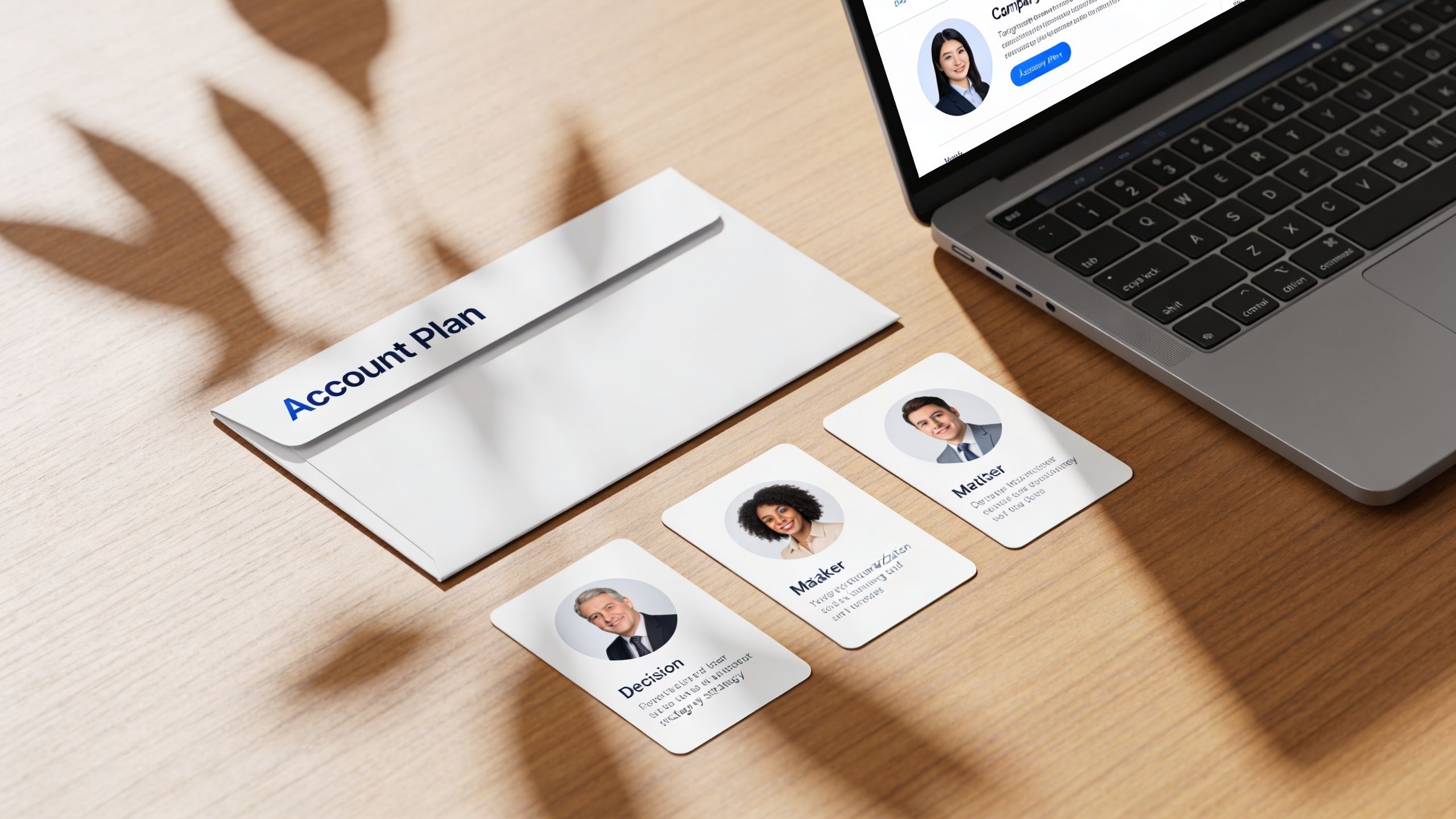
Cold list blasting is lazy prospecting dressed up as productivity. Trigger-based outreach works because it starts when the account has a reason to change. A funding event, a new VP Sales hire, a recent tech stack shift, a market expansion, or a leadership move creates context that generic outbound never has.
This is the first sales prospecting technique I'd fix in almost any team. The right message sent too early or too late still loses. Timing beats targeting more often than sales professionals want to admit.
Why timing beats perfect copy
HubSpot reports that salespeople who reach out within five minutes are 100 times more likely to qualify a prospect, which is one of the clearest proofs that speed changes outcomes in prospecting, according to HubSpot's sales prospecting statistics. That stat is usually discussed in inbound, but the operating principle carries over to outbound. When intent shows up, delay kills it.
A practical workflow looks like this:
Track real signals: Use Clay, Sales Navigator, Apollo, and CRM alerts to monitor hiring, promotions, funding, and stack changes.
Write only the opener from the signal: Don't rewrite the whole sequence. Change the first sentence so the message clearly ties to the event.
Route quickly: If someone replies, get that response to a human fast. Speed matters after the first touch too.
Practical rule: If you can't answer "why now?" in one sentence, don't send the message yet.
In SaaS, a new RevOps hire often means process cleanup and tool evaluation. In manufacturing, a plant expansion can signal operational pressure. In legal tech, a leadership change can reopen frozen software decisions. The trigger changes by vertical, but the mechanic stays the same.
2. 2. The multi-channel warm-up
Most outbound fails because the first real ask arrives before familiarity. You send an email to a stranger, then wonder why it gets ignored. A better system makes your name recognizable before the inbox touch.
That doesn't mean vanity social activity. It means small, deliberate touches that lower resistance. LinkedIn profile view, one relevant comment, connection request, then email. By the time the email lands, you're not fully cold anymore.
A simple warm-up sequence
For high-value accounts, the sequence is slow on purpose:
Leave one useful comment on a recent LinkedIn post.
Wait a few days.
Send a connection request with no pitch.
Wait again.
Send the first email or LinkedIn message tied to a trigger or relevant pain.
Tools like HeyReach, Sales Navigator, and HubSpot help with this. Sales Navigator finds the right people and their recent activity. HeyReach handles coordinated LinkedIn actions across a defined account set. HubSpot keeps the account history visible so reps don't trip over each other.
Prospecting is rarely one message. It's a sequence of low-ask touches that make the eventual ask feel reasonable.
This won't scale cleanly to a giant list, and that's fine. Reserve it for your top accounts. If you're selling into iGaming operators, enterprise SaaS buyers, or regulated pharma teams, familiarity before the ask often matters more than raw send volume.
3. 3. The qualifying question instead of the pitch
The first reply is not the moment to dump a deck, push a demo, or explain every feature. That's where a lot of teams waste good responses. The better move is to qualify the conversation before you try to advance it.
A simple question works better than a polished pitch because it gets the buyer to explain their situation in their own words. That creates context, filters weak interest, and gives the AE something useful for the next step.
What to ask after the first reply
Use one question that opens the problem, not your product:
Buying context: "What's prompting you to look at this now?"
Current process: "How are you handling this today?"
Urgency: "Is this something you're actively changing this quarter, or just exploring?"
Ownership: "Who else is involved if this becomes a live project?"
This lines up with gap-selling logic. Early outreach shouldn't be overly product-focused. It should surface the problem first, then decide whether the account deserves more time.
A common mistake is rewarding every positive reply with a calendar link. That fills the diary with people who are curious, not committed. Qualification-first prospecting keeps meeting quality high, especially when the SDR team is feeding a small AE bench.
5. 5. Hyper-segmentation of existing lists
A list that "stopped working" usually has a targeting problem, not a volume problem. Old outbound lists tend to blend very different accounts into one sequence, then teams judge the result by the average reply rate. That average hides where the actual opportunity is.
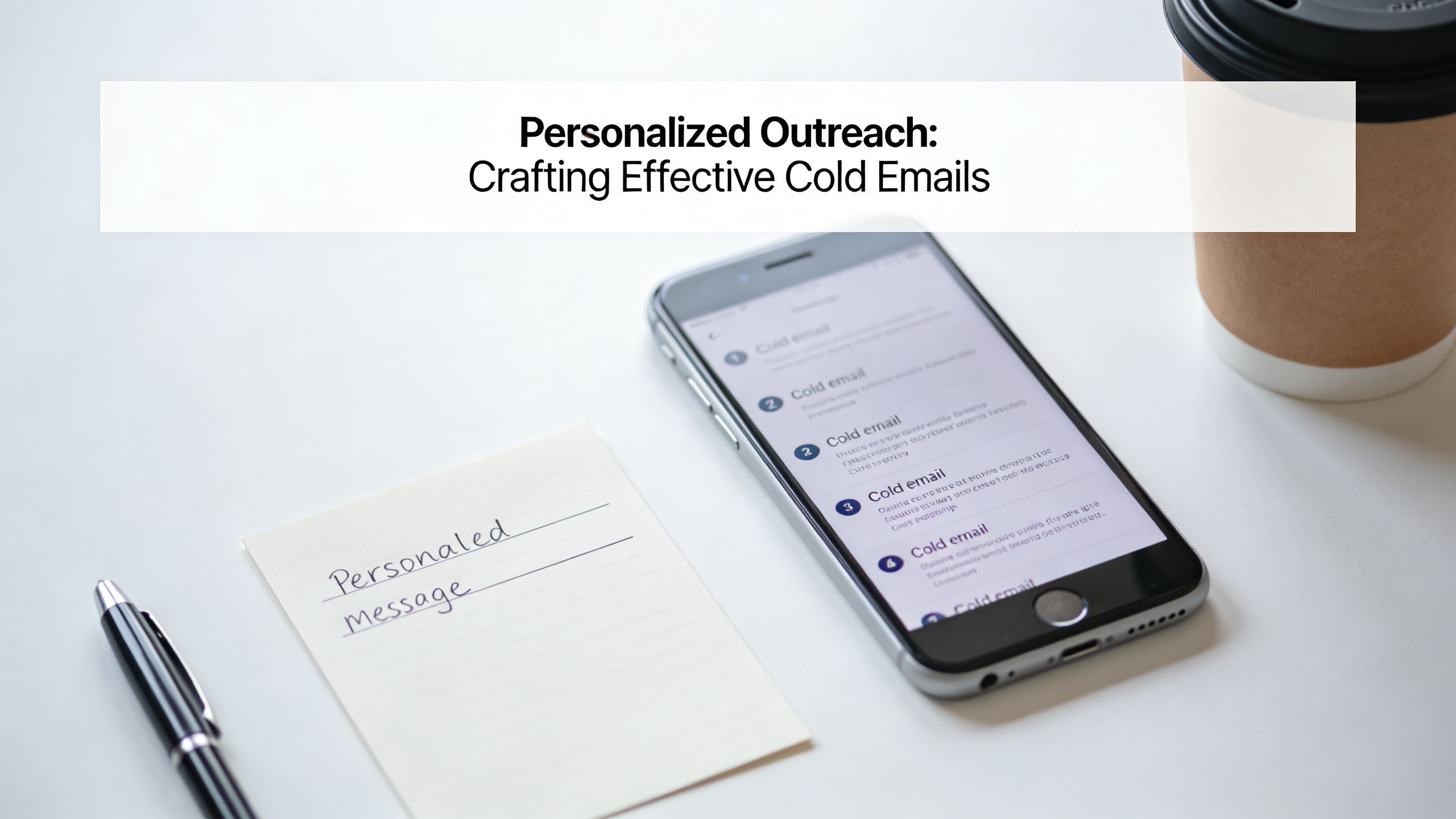
Hyper-segmentation fixes that by turning one broad list into a set of smaller, usable audiences with clear messaging angles. The goal is not to create 25 micro-campaigns for the sake of precision. The goal is to separate contacts whose pains, timing, and buying motions are meaningfully different, then put effort behind the segments that can convert.
How to break down an existing list without overbuilding
Run a first pass in Apollo, HubSpot, or Clay using fields you can trust:
Split by company size.
Split by vertical.
Split by buyer role.
Split by active signal versus no current signal.
Rank segments by likely urgency, then work the top tier first.
That last step matters. Segmentation only helps if it changes execution. A 2,000-contact list does not need 2,000 personalized emails. It needs a few tight groups with different hooks, different proof points, and different follow-up logic.
HubSpot notes in its sales prospecting research that persistence matters, but persistence only works when the audience is relevant enough to deserve more than one touch, as described in HubSpot's prospecting statistics roundup. If the segment is loose, extra touches just multiply waste. If the segment is clean, follow-up starts producing meetings instead of polite brush-offs.
Weak reply rates often point to blended audiences, not weak copy.
In practice, this usually means fewer sequences with sharper intent. One sequence for mid-market SaaS companies hiring SDRs. One for enterprise manufacturers dealing with process change. One for founder-led services firms with no recent trigger, where the message needs to lead with a clear operational pain instead of urgency.
The trade-off is maintenance. More segments create more routing, QA, and reporting work. That is why I prefer a simple rule. If a segment would change the opener, the offer, or the CTA, split it. If it would not, keep it grouped. That keeps the system disciplined enough to scale without turning outbound into list management.
6. 6. A structured referral and warm intro system
Warm intros underperform when they live as ad hoc favors instead of a pipeline process. Reps remember to ask after a good call, founders make a few introductions when a quarter gets tight, and partner referrals sit in Slack threads with no owner. The result is predictable. Goodwill exists, but meetings do not.
A referral motion works when it runs like outbound. Start with target accounts, map who can credibly open the door, and package the ask so the referrer can send it in under a minute. That turns introductions into a repeatable input, not a lucky break.
LinkedIn's B2B research found that buyers are more likely to engage when they are introduced through someone they know, as noted in LinkedIn's State of Sales report. That matches what happens in practice. A warm path lowers skepticism, but only if the request is specific and the follow-up is tight.
Build the system around named accounts
The mistake is asking for broad help. "Do you know anyone in fintech?" creates work for the referrer. "Could you introduce me to the VP of Revenue Operations at Company X or Company Y?" gives them a clear decision.
Keep the workflow simple:
Build a referral list of named accounts inside Clay or Apollo.
Enrich for investors, advisors, customers, former colleagues, and second-degree LinkedIn connections.
Rank paths by relationship strength, not just title.
Write a forwardable intro note with one reason the prospect should take the meeting.
Route every intro into a separate sequence with a different opener and a faster SLA.
That last step matters more than teams expect. An introduced lead should not enter the same automation used for cold outbound. The context is different. The opener should reference the shared connection, the CTA should stay small, and the rep should reply the same day.
A warm intro is only warm for a short window.
I prefer a three-bucket model for intro sources. Customers produce the highest trust, partners produce the most volume, and investors or advisors can open doors into accounts that usually ignore outbound. Each bucket needs different handling. Customer asks require careful timing around satisfaction signals. Partner asks need reciprocity and tracking. Investor intros need a narrower target list because social capital gets spent quickly.
The tool stack can stay light. Clay can map account lists to possible connectors. Apollo can hold the target account and contact data. HeyReach or LinkedIn handles the follow-up once the intro lands, especially if the first response happens on LinkedIn instead of email. The point is not adding more channels. The point is keeping the handoff clean so no introduction dies in someone's inbox.
Use one operating rule. Never ask, "Who do you know?" Ask, "Can you introduce me to these three accounts, and here is the note to forward?" That single change usually improves both intro volume and reply quality because it removes friction for the person doing you the favor.
6. 6. A structured referral and warm intro system
Referrals are too important to leave to chance. Many sales organizations say they value warm intros, but they don't run a process for generating them. They ask casually, without timing, context, or a clear target list.
That's backwards. If your customers, partners, investors, or advisors already trust you, introductions should sit inside the prospecting system, not outside it.
Make introductions operational
HubSpot cites that 84% of B2B decision-makers begin their buying process with referrals, which is why a referral motion deserves real process design, not occasional hope, as noted in HubSpot's prospecting data. The practical play is simple. Build a shortlist of target accounts, map any shared connections, and make the introduction request easy to forward.
A useful referral workflow has three parts:
Target list first: Ask for intros to named accounts, not vague categories.
Forwardable copy: Give the referrer a short note they can send without editing.
Fast follow-through: Once introduced, reply quickly and keep the first ask small.
This works especially well in tight markets where reputation moves faster than outbound volume. In pharma, manufacturing, and legal tech, trust carries real weight. A warm intro doesn't replace outbound, but it does reduce friction at the exact point where most outreach loses momentum.
8. 8. Vertical-specific deep dives

Horizontal messaging usually fails for a simple reason. It strips out the operating context that makes a buyer believe you understand their world.
A vertical-specific prospecting motion fixes that by narrowing the problem, the proof, and the language. The goal is not to build a separate GTM motion for every industry. The goal is to choose a few segments where your team can speak with precision, show relevant evidence, and run the same process repeatedly.
Go narrow enough to sound credible
The difference shows up fast in outbound copy. An iGaming prospect cares about player lifecycle, compliance overhead, affiliate partner performance, and country-by-country expansion. A manufacturing buyer is more likely to respond to plant coordination, distributor visibility, quote turnaround, or order accuracy. In legal tech, the sharper angle is often matter intake, document workflow, or consistency across offices and practice groups.
Relevance also affects persistence. Outreach across a full sequence only holds up when each touch adds a market-specific observation, use case, or proof point. Otherwise the cadence turns into the same message repeated with different subject lines.
I treat vertical work as a packaging problem. The underlying product may stay the same, but the outbound system changes in four places:
Signals: Track events that matter in that market, such as new jurisdiction launches, hiring patterns, tech stack changes, or compliance updates.
Account scoring: Rank prospects by vertical fit, not just company size or title.
Proof: Match each segment with the right case studies, migration stories, and objection handling.
Sequences: Write follow-ups around operational friction that buyers in that industry already recognize.
Modern stacks make this easier to run at scale. Clay can enrich accounts with industry markers, Apollo can segment lists by firmographic and role data, and HeyReach can support coordinated LinkedIn touches once the account and message are already customized. The point is not volume. The point is to build a repeatable system where every step reflects the same vertical thesis.
The trade-off is real. Once you go deeper on a vertical, you usually need separate proof assets, cleaner segmentation, and tighter feedback loops from calls and closed deals. That extra setup work pays off when reply quality improves, meetings start with less education, and pipeline becomes easier to forecast because the motion is based on a defined market, not broad assumptions.
9. 9. The value-first cold email
Cold email underperforms when the first ask is a meeting. Buyers do not owe attention to a stranger, and a calendar request gives them no reason to spend it.
A value-first email works better because it gives the prospect something they can use without booking time first. The asset has to be small, specific, and tied to an active problem. A teardown of their outbound flow. A short benchmark for SDR response handling. A one-page implementation outline for a workflow they are already trying to fix. The goal is to reduce uncertainty, not show how much you know.
Analysts at Gong found that shorter prospecting emails tend to perform better than longer ones, which fits this approach well because the useful part needs to be immediate and easy to scan, as covered in Gong's analysis of cold email best practices.
Give practical value that matches a real signal
The structure is simple:
Relevant context: tie the note to a recent trigger, operating change, or role-specific responsibility
Useful artifact: offer one concrete item, such as a checklist, teardown, benchmark, or workflow suggestion
Low-friction next step: ask a qualifying question or offer to send the asset
The system matters more than the copy. Clay can compile the trigger and enrich the account so the opening line is grounded in a real event. Apollo can segment by role, stack, and market so the same asset only goes to buyers who should care. HeyReach can support a coordinated LinkedIn touch after the email lands, which helps the rep stay familiar without repeating the same ask.
There is a trade-off. Creating assets that are worth sending takes work. Generic "value" pieces get ignored because they read like disguised lead magnets. The stronger approach is to build a small library by segment: three to five teardown templates, a few benchmark snapshots, and short operator notes tied to common triggers. That turns value-first outreach into a repeatable motion instead of a one-off writing exercise.
Follow-up still decides whether this technique produces meetings. The second and third touches should extend the same thread with another observation, a sharper question, or a tighter version of the asset. Resetting the conversation with a generic "bumping this up" wastes the context you already earned.
10. 10. Pre-event targeted outreach
Events reward preparation, not presence. The teams that leave with pipeline usually booked the right conversations before they boarded the flight.
Pre-event outreach works because it narrows the prospecting environment. You have a defined audience, a real deadline, and a practical reason to ask for 15 minutes. That makes it easier to run a disciplined system instead of another broad outbound campaign.
Build the meeting book before you travel
Start with account selection, not the attendee list. The attendee file is often incomplete, outdated, or padded with people who will never influence a deal. A better workflow is to identify the companies you want to meet, enrich likely stakeholders, then map event attendance where you can confirm it through registration data, LinkedIn activity, partner lists, or public posts.
The stack matters here. Clay can combine event signals, firmographic filters, and recent company changes into a usable target list. Apollo can help segment by title, region, and account fit. HeyReach can support the LinkedIn side so the rep can warm the account before the first meeting ask lands.
Timing matters just as much. Salesloft's prospecting research notes that it often takes multiple touches to earn a response, which is why event outreach should begin early enough to fit a real sequence instead of one email sent three days before the conference.
A practical pre-event motion looks like this:
2 to 3 weeks out: finalize target accounts, identify 2 to 4 relevant contacts per account, and launch the first email plus a light LinkedIn touch
7 to 10 days out: send a second message with a specific reason to meet, tied to the event theme, a product launch, or an account-level trigger
3 to 5 days out: offer concrete meeting windows and location context, such as coffee before the keynote or a 15-minute slot near their booth
Day before or day of: send a short confirmation-style note only to contacts who engaged or accepted the connection request
The message should stay narrow. Reference the event, explain why this account made the list, and propose one concrete discussion angle. Broad intros underperform here because event calendars fill fast and buyers make quick decisions.
This approach works best when the event ties to an active buying motion. A cybersecurity rep heading to RSA should not pitch every security team in the building. Target companies with a recent funding round, open security roles, compliance deadlines, or public signs of vendor change. That turns event outreach into trigger-based prospecting with a clear meeting deadline.
There is a trade-off. Pre-event outreach takes more operational work than showing up and hoping for foot traffic. But the return is better meeting density, better account coverage, and fewer wasted event days spent chasing unqualified conversations.
10. 10. Pre-event targeted outreach
Events don't create pipeline on their own. The calendar invite doesn't qualify the attendee, and the booth doesn't fix weak targeting. If you wait until the event starts to prospect, you've already wasted most of the opportunity.
Pre-event outreach works because the event gives you a natural timing hook and a finite audience. Buyers are already in planning mode. They know they'll be in the same place, and that lowers the friction of taking a short meeting.
Build the meeting book before you travel
The basic system is straightforward. Pull the attendee or target company list, enrich the right contacts, segment by relevance, and start outreach before the event with a simple ask tied to the event context. Use LinkedIn and email together so the prospect sees your name in more than one channel.
Zendesk adds that many salespeople quit after four to six tries even though it can take around nine attempts to reach a potential buyer, which is why event outreach should start early enough to allow real follow-up, as summarized in EBQ's stats page referencing Zendesk.
A practical event sequence might look like this:
Week one: LinkedIn profile view, connect, first email tied to the event.
Week two: Follow-up with a specific meeting window and a relevant angle.
Final week: Short bump, then a day-of message if appropriate.
This works especially well when the event theme matches your buyer's active problem. If you're going to a manufacturing expo, your message should speak to plant, supply chain, or process realities. If you're going to SaaStr, the angle should fit growth, RevOps, enablement, or product-led friction.
10-Point Sales Prospecting Techniques Comparison
Technique | 🔄 Complexity | ⚡ Resources & speed | 📊 Expected outcomes | Ideal use cases | ⭐ Key advantages & 💡 Tip |
|---|---|---|---|---|---|
1. Trigger-based outreach | Medium, integration & workflows | Requires signal tools (Clay/Apollo), automation; fast time-to-first-touch ⚡ | Higher reply & meeting rates (example: 4x reply lift) 📊 | B2B (SaaS, legal tech, manufacturing) where events create buying intent | ⭐ Better timing improves conversion. 💡 Define top 3–5 triggers. |
2. Multi-channel warm-up | Low–Medium, consistent cadence | Low tooling; human time across days/weeks; primes prospects before outreach ⚡ | +30–40% reply lift on first DM vs cold 📊 | Targeting senior decision-makers and high-value accounts | ⭐ Builds familiarity and trust. 💡 Leave genuinely additive LinkedIn comments. |
3. Qualifying question instead of pitch | Low, reply management change | Minimal tools (CRM); instant to implement; speeds qualification ⚡ | Fewer wasted meetings; higher pipeline quality 📊 | Founders, sales leaders, industries with scarce meeting time (iGaming, pharma) | ⭐ Filters early to protect SDR time. 💡 Ask an open-ended qualifying question, not a calendar link. |
4. Signal-triggered intake vs static lists | High, automation & data pipelines | High tooling & setup (Clay, enrichment, AI, sequencers); continuous fresh leads; efficient throughput ⚡ | Stable, improved reply baseline; steady weekly signal-qualified accounts 📊 | RevOps and fast-moving SaaS needing scalable prospecting | ⭐ Automates list building and preserves rep time. 💡 Pipe triggers to AI for personalized first lines, keep human review. |
5. Hyper-segmentation of existing lists | Medium, data analysis & testing | Moderate analyst/CRM work; quick tests per segment; faster relevancy gains ⚡ | Identify top micro-audiences; higher reply rates by segment 📊 | Teams with large, decaying CRM lists needing rescue | ⭐ Fixes targeting issues more than copy. 💡 Test one segment and iterate opening line. |
6. Structured referral & warm intro system | Medium, process and tracking | Low tooling; relationship management time; referrals convert quickly ⚡ | Higher close rates and shorter cycles (3–5x close rate) 📊 | Businesses with satisfied customers, professional services, enterprise SaaS | ⭐ Highest converting channel when systematized. 💡 Provide a pre-written, ready-to-forward blurb. |
7. Competitive displacement plays | Medium, research & targeted messaging | Requires competitor mapping and tailored sequences; faster switch sales cycle ⚡ | Strong meeting rates and win rates from switchers; larger deal sizes possible 📊 | Mature markets with established competitors (CRM, PM tools, SaaS) | ⭐ Shorter education phase; buyers already category-aware. 💡 Lead with differentiation and ROI, not features. |
8. Vertical-specific deep dives | High, research, content & landing pages | High research and content effort; slower launch but high resonance ⚡ | Better conversion and trust within chosen vertical; higher inbound quality 📊 | Companies serving multiple industries with high-value verticals (iGaming, legal tech) | ⭐ Builds insider credibility. 💡 Interview customers to learn vocabulary and pains. |
9. Value-first cold email | Low, content-first change | Low content creation (one checklist/playbook); immediate deployment; attracts qualified replies ⚡ | More positive replies and engaged conversations; filters wrong fits 📊 | High-consideration B2B (SaaS, agencies, consultancies) | ⭐ Starts relationships with generosity. 💡 Offer an ungated, practical resource (short checklist). |
10. Pre-event targeted outreach | Medium, coordination & scheduling | Moderate coordination (attendee lists, scheduling tools); concentrated pre-event sprint ⚡ | 15–30 qualified meetings per event; measurable pipeline ROI 📊 | Companies attending/sponsoring conferences (SaaStr, trade shows) | ⭐ Turns events into booked meetings. 💡 Start outreach 4–6 weeks before; host small private dinners. |
From techniques to a system
Clever prospecting ideas do not create predictable pipeline. Operating discipline does.
A team can get a short-term lift from one good trigger play or one strong email angle. That lift usually fades because the rest of the motion stays messy. Bad inputs, loose segmentation, inconsistent follow-up, and vague qualification rules will bury even a good tactic. The practical shift is to stop treating prospecting as a menu of ideas and start treating it as a production system.
That system starts with intake. Static lists decay fast, so the workflow should begin with fresh signals, clear ICP rules, and enrichment that gives reps enough context to write a relevant first touch. Tools like Clay, Apollo, and HeyReach can handle a lot of this well if they are configured with tight rules. They can watch for job changes, funding, hiring patterns, tech stack changes, and engagement signals, then route the right accounts into the right sequence. Reps still need to make the call on message quality, account priority, and whether a reply is worth pursuing.
That division of labor matters. Automation is good at monitoring, enrichment, and routing. It is weak at judgment. A badly timed message to the wrong executive can waste an otherwise qualified account.
I usually recommend a controlled rebuild, not a full outbound reset. Pull 50 accounts that match your ICP and show a recent buying signal. Build a compact sequence around them: one warm-up touch, one trigger-based opener, and one reply path built around a qualifying question instead of a pitch. Then compare that cohort against your broad-list baseline on reply quality, meeting rate, and pipeline created. That gives you a clean read on whether the problem sits in targeting, timing, or messaging.
Keep the operating model tight:
One intake model: signal-triggered account entry, not CSV exports passed around for weeks
One segmentation framework: company size, vertical, role, pain pattern, and trigger
One cadence standard: fixed follow-up rules across email, LinkedIn, and secondary touches
One qualification threshold: clear criteria for what becomes an SDR conversation and what stays in nurture
One source of truth: CRM stages and dispositions that match the actual workflow
If your SDRs need a cleaner handoff model, this breakdown of how sales development representatives qualify prospects is a useful reference point.
This is also the lens GROU uses. The work is not a stack of disconnected services. It is one coordinated system across LinkedIn, list building, outbound execution, and qualification, so the right accounts enter at the right time and replies turn into usable pipeline.
Start with the workflow, not the copy. Audit where accounts come from, which signals enter the system, how reps segment them, and what happens after the first reply. That review usually shows the primary bottleneck fast.
If you want a team to build that system with you, Grou is one option. Grou runs LinkedIn, lead generation, and outbound as one pipeline program, with fit rules, signal-based targeting, and qualification workflows designed to create sales conversations rather than just more activity.
Your reply rate is a list problem, not a copy problem.
If your outbound is stuck around a weak baseline, the instinct is to rewrite the opener, swap the CTA, or spin up another sequence. That usually misses the actual issue. Most underperforming sales prospecting techniques fail because the team is messaging the wrong accounts, at the wrong moment, with no genuine reason for the buyer to care now.
More volume won't fix that. Better copy usually won't either. The teams building real pipeline aren't winning because they found a clever line. They're winning because they built a system for timing, segmentation, and follow-up.
That matters more now because buyer attention is brutally limited. Gartner reported that B2B buyers spend only 17% of their buying journey meeting with potential suppliers, and when evaluating multiple vendors that can drop to 5-6% per supplier, as referenced in this summary of the Gartner finding and gap-selling guidance. If you don't create relevance before the ask, your message lands in the part of the day they ignore.
The fix is operational, not creative. Structure turns attention into pipeline. That means trigger-based intake, tighter segmentation, multi-channel warm-up, fast routing, disciplined follow-up, and a qualification-first first reply.
Table of Contents
1. 1. Trigger-based outreach
Cold list blasting creates activity, not pipeline. Trigger-based outreach performs better because it starts from a change event inside the account. Funding, a new VP Sales hire, a pricing change, a territory expansion, a job post that signals a new initiative, or a recent tool purchase all give the rep a concrete reason to reach out now.
This is usually the first prospecting system worth fixing. Teams spend too much time rewriting copy and too little time defining what should put an account into motion. In practice, timing and context beat clever phrasing.
Why timing beats perfect copy
The operating principle is simple. Outreach works better when it follows an observable event tied to budget, urgency, or ownership.
That matters because trigger-based prospecting is easier to operationalize than many teams assume. Clay can pull hiring data, funding signals, job changes, and enrichment into one workflow. Apollo can supply contacts and sequence enrollment. HeyReach can handle LinkedIn touches across sender accounts when the signal is strong enough to justify a coordinated warm-up. The stack is not the strategy, but the stack makes the strategy repeatable.
A practical workflow looks like this:
Track a small set of high-value signals: Start with 3 to 5 triggers that match your offer. Good examples include leadership hires, new job postings, funding rounds, expansion into a new market, and CRM or sales tech changes.
Map each trigger to a problem: A new sales leader usually cares about ramp speed, process visibility, and pipeline coverage. A funding event often points to hiring pressure, territory buildout, or reporting expectations from the board.
Build trigger-specific messaging: Write one angle per trigger, not one generic sequence for every account. The message should reference the event, the likely operational consequence, and one relevant outcome.
Route fast: Send the account into the right sequence as soon as the signal appears. Delays reduce relevance.
Score signal quality: Not every trigger deserves the same effort. A VP Sales hire plus active SDR hiring is stronger than a vague company update on LinkedIn.
The trade-off is focus. Trigger-based outreach produces fewer total prospects than broad list pulls, but the accounts are warmer and the messaging is easier to justify. That usually means better reply quality, cleaner qualification, and less wasted follow-up.
Here is a simple example. If a company just hired a new Head of Sales Development, the opening line should not pitch your platform in abstract terms. It should tie directly to the transition: team ramp, process standardization, outbound coverage, or handoff quality. That is what makes the message feel timely instead of automated.
A lot of outbound teams miss one operational detail here. They collect signals, but they do not convert them into intake rules. The fix is to define trigger, account criteria, owner, sequence, and SLA in one place. Once that exists, trigger-based outreach stops being a rep habit and becomes a pipeline system.
1. 1. Trigger-based outreach
Cold list blasting is lazy prospecting dressed up as productivity. Trigger-based outreach works because it starts when the account has a reason to change. A funding event, a new VP Sales hire, a recent tech stack shift, a market expansion, or a leadership move creates context that generic outbound never has.
This is the first sales prospecting technique I'd fix in almost any team. The right message sent too early or too late still loses. Timing beats targeting more often than sales professionals want to admit.
Why timing beats perfect copy
HubSpot reports that salespeople who reach out within five minutes are 100 times more likely to qualify a prospect, which is one of the clearest proofs that speed changes outcomes in prospecting, according to HubSpot's sales prospecting statistics. That stat is usually discussed in inbound, but the operating principle carries over to outbound. When intent shows up, delay kills it.
A practical workflow looks like this:
Track real signals: Use Clay, Sales Navigator, Apollo, and CRM alerts to monitor hiring, promotions, funding, and stack changes.
Write only the opener from the signal: Don't rewrite the whole sequence. Change the first sentence so the message clearly ties to the event.
Route quickly: If someone replies, get that response to a human fast. Speed matters after the first touch too.
Practical rule: If you can't answer "why now?" in one sentence, don't send the message yet.
In SaaS, a new RevOps hire often means process cleanup and tool evaluation. In manufacturing, a plant expansion can signal operational pressure. In legal tech, a leadership change can reopen frozen software decisions. The trigger changes by vertical, but the mechanic stays the same.
2. 2. The multi-channel warm-up
Most outbound fails because the first real ask arrives before familiarity. You send an email to a stranger, then wonder why it gets ignored. A better system makes your name recognizable before the inbox touch.
That doesn't mean vanity social activity. It means small, deliberate touches that lower resistance. LinkedIn profile view, one relevant comment, connection request, then email. By the time the email lands, you're not fully cold anymore.
A simple warm-up sequence
For high-value accounts, the sequence is slow on purpose:
Leave one useful comment on a recent LinkedIn post.
Wait a few days.
Send a connection request with no pitch.
Wait again.
Send the first email or LinkedIn message tied to a trigger or relevant pain.
Tools like HeyReach, Sales Navigator, and HubSpot help with this. Sales Navigator finds the right people and their recent activity. HeyReach handles coordinated LinkedIn actions across a defined account set. HubSpot keeps the account history visible so reps don't trip over each other.
Prospecting is rarely one message. It's a sequence of low-ask touches that make the eventual ask feel reasonable.
This won't scale cleanly to a giant list, and that's fine. Reserve it for your top accounts. If you're selling into iGaming operators, enterprise SaaS buyers, or regulated pharma teams, familiarity before the ask often matters more than raw send volume.
3. 3. The qualifying question instead of the pitch
The first reply is not the moment to dump a deck, push a demo, or explain every feature. That's where a lot of teams waste good responses. The better move is to qualify the conversation before you try to advance it.
A simple question works better than a polished pitch because it gets the buyer to explain their situation in their own words. That creates context, filters weak interest, and gives the AE something useful for the next step.
What to ask after the first reply
Use one question that opens the problem, not your product:
Buying context: "What's prompting you to look at this now?"
Current process: "How are you handling this today?"
Urgency: "Is this something you're actively changing this quarter, or just exploring?"
Ownership: "Who else is involved if this becomes a live project?"
This lines up with gap-selling logic. Early outreach shouldn't be overly product-focused. It should surface the problem first, then decide whether the account deserves more time.
A common mistake is rewarding every positive reply with a calendar link. That fills the diary with people who are curious, not committed. Qualification-first prospecting keeps meeting quality high, especially when the SDR team is feeding a small AE bench.
5. 5. Hyper-segmentation of existing lists
A list that "stopped working" usually has a targeting problem, not a volume problem. Old outbound lists tend to blend very different accounts into one sequence, then teams judge the result by the average reply rate. That average hides where the actual opportunity is.
Hyper-segmentation fixes that by turning one broad list into a set of smaller, usable audiences with clear messaging angles. The goal is not to create 25 micro-campaigns for the sake of precision. The goal is to separate contacts whose pains, timing, and buying motions are meaningfully different, then put effort behind the segments that can convert.
How to break down an existing list without overbuilding
Run a first pass in Apollo, HubSpot, or Clay using fields you can trust:
Split by company size.
Split by vertical.
Split by buyer role.
Split by active signal versus no current signal.
Rank segments by likely urgency, then work the top tier first.
That last step matters. Segmentation only helps if it changes execution. A 2,000-contact list does not need 2,000 personalized emails. It needs a few tight groups with different hooks, different proof points, and different follow-up logic.
HubSpot notes in its sales prospecting research that persistence matters, but persistence only works when the audience is relevant enough to deserve more than one touch, as described in HubSpot's prospecting statistics roundup. If the segment is loose, extra touches just multiply waste. If the segment is clean, follow-up starts producing meetings instead of polite brush-offs.
Weak reply rates often point to blended audiences, not weak copy.
In practice, this usually means fewer sequences with sharper intent. One sequence for mid-market SaaS companies hiring SDRs. One for enterprise manufacturers dealing with process change. One for founder-led services firms with no recent trigger, where the message needs to lead with a clear operational pain instead of urgency.
The trade-off is maintenance. More segments create more routing, QA, and reporting work. That is why I prefer a simple rule. If a segment would change the opener, the offer, or the CTA, split it. If it would not, keep it grouped. That keeps the system disciplined enough to scale without turning outbound into list management.
6. 6. A structured referral and warm intro system
Warm intros underperform when they live as ad hoc favors instead of a pipeline process. Reps remember to ask after a good call, founders make a few introductions when a quarter gets tight, and partner referrals sit in Slack threads with no owner. The result is predictable. Goodwill exists, but meetings do not.
A referral motion works when it runs like outbound. Start with target accounts, map who can credibly open the door, and package the ask so the referrer can send it in under a minute. That turns introductions into a repeatable input, not a lucky break.
LinkedIn's B2B research found that buyers are more likely to engage when they are introduced through someone they know, as noted in LinkedIn's State of Sales report. That matches what happens in practice. A warm path lowers skepticism, but only if the request is specific and the follow-up is tight.
Build the system around named accounts
The mistake is asking for broad help. "Do you know anyone in fintech?" creates work for the referrer. "Could you introduce me to the VP of Revenue Operations at Company X or Company Y?" gives them a clear decision.
Keep the workflow simple:
Build a referral list of named accounts inside Clay or Apollo.
Enrich for investors, advisors, customers, former colleagues, and second-degree LinkedIn connections.
Rank paths by relationship strength, not just title.
Write a forwardable intro note with one reason the prospect should take the meeting.
Route every intro into a separate sequence with a different opener and a faster SLA.
That last step matters more than teams expect. An introduced lead should not enter the same automation used for cold outbound. The context is different. The opener should reference the shared connection, the CTA should stay small, and the rep should reply the same day.
A warm intro is only warm for a short window.
I prefer a three-bucket model for intro sources. Customers produce the highest trust, partners produce the most volume, and investors or advisors can open doors into accounts that usually ignore outbound. Each bucket needs different handling. Customer asks require careful timing around satisfaction signals. Partner asks need reciprocity and tracking. Investor intros need a narrower target list because social capital gets spent quickly.
The tool stack can stay light. Clay can map account lists to possible connectors. Apollo can hold the target account and contact data. HeyReach or LinkedIn handles the follow-up once the intro lands, especially if the first response happens on LinkedIn instead of email. The point is not adding more channels. The point is keeping the handoff clean so no introduction dies in someone's inbox.
Use one operating rule. Never ask, "Who do you know?" Ask, "Can you introduce me to these three accounts, and here is the note to forward?" That single change usually improves both intro volume and reply quality because it removes friction for the person doing you the favor.
6. 6. A structured referral and warm intro system
Referrals are too important to leave to chance. Many sales organizations say they value warm intros, but they don't run a process for generating them. They ask casually, without timing, context, or a clear target list.
That's backwards. If your customers, partners, investors, or advisors already trust you, introductions should sit inside the prospecting system, not outside it.
Make introductions operational
HubSpot cites that 84% of B2B decision-makers begin their buying process with referrals, which is why a referral motion deserves real process design, not occasional hope, as noted in HubSpot's prospecting data. The practical play is simple. Build a shortlist of target accounts, map any shared connections, and make the introduction request easy to forward.
A useful referral workflow has three parts:
Target list first: Ask for intros to named accounts, not vague categories.
Forwardable copy: Give the referrer a short note they can send without editing.
Fast follow-through: Once introduced, reply quickly and keep the first ask small.
This works especially well in tight markets where reputation moves faster than outbound volume. In pharma, manufacturing, and legal tech, trust carries real weight. A warm intro doesn't replace outbound, but it does reduce friction at the exact point where most outreach loses momentum.
8. 8. Vertical-specific deep dives
Horizontal messaging usually fails for a simple reason. It strips out the operating context that makes a buyer believe you understand their world.
A vertical-specific prospecting motion fixes that by narrowing the problem, the proof, and the language. The goal is not to build a separate GTM motion for every industry. The goal is to choose a few segments where your team can speak with precision, show relevant evidence, and run the same process repeatedly.
Go narrow enough to sound credible
The difference shows up fast in outbound copy. An iGaming prospect cares about player lifecycle, compliance overhead, affiliate partner performance, and country-by-country expansion. A manufacturing buyer is more likely to respond to plant coordination, distributor visibility, quote turnaround, or order accuracy. In legal tech, the sharper angle is often matter intake, document workflow, or consistency across offices and practice groups.
Relevance also affects persistence. Outreach across a full sequence only holds up when each touch adds a market-specific observation, use case, or proof point. Otherwise the cadence turns into the same message repeated with different subject lines.
I treat vertical work as a packaging problem. The underlying product may stay the same, but the outbound system changes in four places:
Signals: Track events that matter in that market, such as new jurisdiction launches, hiring patterns, tech stack changes, or compliance updates.
Account scoring: Rank prospects by vertical fit, not just company size or title.
Proof: Match each segment with the right case studies, migration stories, and objection handling.
Sequences: Write follow-ups around operational friction that buyers in that industry already recognize.
Modern stacks make this easier to run at scale. Clay can enrich accounts with industry markers, Apollo can segment lists by firmographic and role data, and HeyReach can support coordinated LinkedIn touches once the account and message are already customized. The point is not volume. The point is to build a repeatable system where every step reflects the same vertical thesis.
The trade-off is real. Once you go deeper on a vertical, you usually need separate proof assets, cleaner segmentation, and tighter feedback loops from calls and closed deals. That extra setup work pays off when reply quality improves, meetings start with less education, and pipeline becomes easier to forecast because the motion is based on a defined market, not broad assumptions.
9. 9. The value-first cold email
Cold email underperforms when the first ask is a meeting. Buyers do not owe attention to a stranger, and a calendar request gives them no reason to spend it.
A value-first email works better because it gives the prospect something they can use without booking time first. The asset has to be small, specific, and tied to an active problem. A teardown of their outbound flow. A short benchmark for SDR response handling. A one-page implementation outline for a workflow they are already trying to fix. The goal is to reduce uncertainty, not show how much you know.
Analysts at Gong found that shorter prospecting emails tend to perform better than longer ones, which fits this approach well because the useful part needs to be immediate and easy to scan, as covered in Gong's analysis of cold email best practices.
Give practical value that matches a real signal
The structure is simple:
Relevant context: tie the note to a recent trigger, operating change, or role-specific responsibility
Useful artifact: offer one concrete item, such as a checklist, teardown, benchmark, or workflow suggestion
Low-friction next step: ask a qualifying question or offer to send the asset
The system matters more than the copy. Clay can compile the trigger and enrich the account so the opening line is grounded in a real event. Apollo can segment by role, stack, and market so the same asset only goes to buyers who should care. HeyReach can support a coordinated LinkedIn touch after the email lands, which helps the rep stay familiar without repeating the same ask.
There is a trade-off. Creating assets that are worth sending takes work. Generic "value" pieces get ignored because they read like disguised lead magnets. The stronger approach is to build a small library by segment: three to five teardown templates, a few benchmark snapshots, and short operator notes tied to common triggers. That turns value-first outreach into a repeatable motion instead of a one-off writing exercise.
Follow-up still decides whether this technique produces meetings. The second and third touches should extend the same thread with another observation, a sharper question, or a tighter version of the asset. Resetting the conversation with a generic "bumping this up" wastes the context you already earned.
10. 10. Pre-event targeted outreach
Events reward preparation, not presence. The teams that leave with pipeline usually booked the right conversations before they boarded the flight.
Pre-event outreach works because it narrows the prospecting environment. You have a defined audience, a real deadline, and a practical reason to ask for 15 minutes. That makes it easier to run a disciplined system instead of another broad outbound campaign.
Build the meeting book before you travel
Start with account selection, not the attendee list. The attendee file is often incomplete, outdated, or padded with people who will never influence a deal. A better workflow is to identify the companies you want to meet, enrich likely stakeholders, then map event attendance where you can confirm it through registration data, LinkedIn activity, partner lists, or public posts.
The stack matters here. Clay can combine event signals, firmographic filters, and recent company changes into a usable target list. Apollo can help segment by title, region, and account fit. HeyReach can support the LinkedIn side so the rep can warm the account before the first meeting ask lands.
Timing matters just as much. Salesloft's prospecting research notes that it often takes multiple touches to earn a response, which is why event outreach should begin early enough to fit a real sequence instead of one email sent three days before the conference.
A practical pre-event motion looks like this:
2 to 3 weeks out: finalize target accounts, identify 2 to 4 relevant contacts per account, and launch the first email plus a light LinkedIn touch
7 to 10 days out: send a second message with a specific reason to meet, tied to the event theme, a product launch, or an account-level trigger
3 to 5 days out: offer concrete meeting windows and location context, such as coffee before the keynote or a 15-minute slot near their booth
Day before or day of: send a short confirmation-style note only to contacts who engaged or accepted the connection request
The message should stay narrow. Reference the event, explain why this account made the list, and propose one concrete discussion angle. Broad intros underperform here because event calendars fill fast and buyers make quick decisions.
This approach works best when the event ties to an active buying motion. A cybersecurity rep heading to RSA should not pitch every security team in the building. Target companies with a recent funding round, open security roles, compliance deadlines, or public signs of vendor change. That turns event outreach into trigger-based prospecting with a clear meeting deadline.
There is a trade-off. Pre-event outreach takes more operational work than showing up and hoping for foot traffic. But the return is better meeting density, better account coverage, and fewer wasted event days spent chasing unqualified conversations.
10. 10. Pre-event targeted outreach
Events don't create pipeline on their own. The calendar invite doesn't qualify the attendee, and the booth doesn't fix weak targeting. If you wait until the event starts to prospect, you've already wasted most of the opportunity.
Pre-event outreach works because the event gives you a natural timing hook and a finite audience. Buyers are already in planning mode. They know they'll be in the same place, and that lowers the friction of taking a short meeting.
Build the meeting book before you travel
The basic system is straightforward. Pull the attendee or target company list, enrich the right contacts, segment by relevance, and start outreach before the event with a simple ask tied to the event context. Use LinkedIn and email together so the prospect sees your name in more than one channel.
Zendesk adds that many salespeople quit after four to six tries even though it can take around nine attempts to reach a potential buyer, which is why event outreach should start early enough to allow real follow-up, as summarized in EBQ's stats page referencing Zendesk.
A practical event sequence might look like this:
Week one: LinkedIn profile view, connect, first email tied to the event.
Week two: Follow-up with a specific meeting window and a relevant angle.
Final week: Short bump, then a day-of message if appropriate.
This works especially well when the event theme matches your buyer's active problem. If you're going to a manufacturing expo, your message should speak to plant, supply chain, or process realities. If you're going to SaaStr, the angle should fit growth, RevOps, enablement, or product-led friction.
10-Point Sales Prospecting Techniques Comparison
Technique | 🔄 Complexity | ⚡ Resources & speed | 📊 Expected outcomes | Ideal use cases | ⭐ Key advantages & 💡 Tip |
|---|---|---|---|---|---|
1. Trigger-based outreach | Medium, integration & workflows | Requires signal tools (Clay/Apollo), automation; fast time-to-first-touch ⚡ | Higher reply & meeting rates (example: 4x reply lift) 📊 | B2B (SaaS, legal tech, manufacturing) where events create buying intent | ⭐ Better timing improves conversion. 💡 Define top 3–5 triggers. |
2. Multi-channel warm-up | Low–Medium, consistent cadence | Low tooling; human time across days/weeks; primes prospects before outreach ⚡ | +30–40% reply lift on first DM vs cold 📊 | Targeting senior decision-makers and high-value accounts | ⭐ Builds familiarity and trust. 💡 Leave genuinely additive LinkedIn comments. |
3. Qualifying question instead of pitch | Low, reply management change | Minimal tools (CRM); instant to implement; speeds qualification ⚡ | Fewer wasted meetings; higher pipeline quality 📊 | Founders, sales leaders, industries with scarce meeting time (iGaming, pharma) | ⭐ Filters early to protect SDR time. 💡 Ask an open-ended qualifying question, not a calendar link. |
4. Signal-triggered intake vs static lists | High, automation & data pipelines | High tooling & setup (Clay, enrichment, AI, sequencers); continuous fresh leads; efficient throughput ⚡ | Stable, improved reply baseline; steady weekly signal-qualified accounts 📊 | RevOps and fast-moving SaaS needing scalable prospecting | ⭐ Automates list building and preserves rep time. 💡 Pipe triggers to AI for personalized first lines, keep human review. |
5. Hyper-segmentation of existing lists | Medium, data analysis & testing | Moderate analyst/CRM work; quick tests per segment; faster relevancy gains ⚡ | Identify top micro-audiences; higher reply rates by segment 📊 | Teams with large, decaying CRM lists needing rescue | ⭐ Fixes targeting issues more than copy. 💡 Test one segment and iterate opening line. |
6. Structured referral & warm intro system | Medium, process and tracking | Low tooling; relationship management time; referrals convert quickly ⚡ | Higher close rates and shorter cycles (3–5x close rate) 📊 | Businesses with satisfied customers, professional services, enterprise SaaS | ⭐ Highest converting channel when systematized. 💡 Provide a pre-written, ready-to-forward blurb. |
7. Competitive displacement plays | Medium, research & targeted messaging | Requires competitor mapping and tailored sequences; faster switch sales cycle ⚡ | Strong meeting rates and win rates from switchers; larger deal sizes possible 📊 | Mature markets with established competitors (CRM, PM tools, SaaS) | ⭐ Shorter education phase; buyers already category-aware. 💡 Lead with differentiation and ROI, not features. |
8. Vertical-specific deep dives | High, research, content & landing pages | High research and content effort; slower launch but high resonance ⚡ | Better conversion and trust within chosen vertical; higher inbound quality 📊 | Companies serving multiple industries with high-value verticals (iGaming, legal tech) | ⭐ Builds insider credibility. 💡 Interview customers to learn vocabulary and pains. |
9. Value-first cold email | Low, content-first change | Low content creation (one checklist/playbook); immediate deployment; attracts qualified replies ⚡ | More positive replies and engaged conversations; filters wrong fits 📊 | High-consideration B2B (SaaS, agencies, consultancies) | ⭐ Starts relationships with generosity. 💡 Offer an ungated, practical resource (short checklist). |
10. Pre-event targeted outreach | Medium, coordination & scheduling | Moderate coordination (attendee lists, scheduling tools); concentrated pre-event sprint ⚡ | 15–30 qualified meetings per event; measurable pipeline ROI 📊 | Companies attending/sponsoring conferences (SaaStr, trade shows) | ⭐ Turns events into booked meetings. 💡 Start outreach 4–6 weeks before; host small private dinners. |
From techniques to a system
Clever prospecting ideas do not create predictable pipeline. Operating discipline does.
A team can get a short-term lift from one good trigger play or one strong email angle. That lift usually fades because the rest of the motion stays messy. Bad inputs, loose segmentation, inconsistent follow-up, and vague qualification rules will bury even a good tactic. The practical shift is to stop treating prospecting as a menu of ideas and start treating it as a production system.
That system starts with intake. Static lists decay fast, so the workflow should begin with fresh signals, clear ICP rules, and enrichment that gives reps enough context to write a relevant first touch. Tools like Clay, Apollo, and HeyReach can handle a lot of this well if they are configured with tight rules. They can watch for job changes, funding, hiring patterns, tech stack changes, and engagement signals, then route the right accounts into the right sequence. Reps still need to make the call on message quality, account priority, and whether a reply is worth pursuing.
That division of labor matters. Automation is good at monitoring, enrichment, and routing. It is weak at judgment. A badly timed message to the wrong executive can waste an otherwise qualified account.
I usually recommend a controlled rebuild, not a full outbound reset. Pull 50 accounts that match your ICP and show a recent buying signal. Build a compact sequence around them: one warm-up touch, one trigger-based opener, and one reply path built around a qualifying question instead of a pitch. Then compare that cohort against your broad-list baseline on reply quality, meeting rate, and pipeline created. That gives you a clean read on whether the problem sits in targeting, timing, or messaging.
Keep the operating model tight:
One intake model: signal-triggered account entry, not CSV exports passed around for weeks
One segmentation framework: company size, vertical, role, pain pattern, and trigger
One cadence standard: fixed follow-up rules across email, LinkedIn, and secondary touches
One qualification threshold: clear criteria for what becomes an SDR conversation and what stays in nurture
One source of truth: CRM stages and dispositions that match the actual workflow
If your SDRs need a cleaner handoff model, this breakdown of how sales development representatives qualify prospects is a useful reference point.
This is also the lens GROU uses. The work is not a stack of disconnected services. It is one coordinated system across LinkedIn, list building, outbound execution, and qualification, so the right accounts enter at the right time and replies turn into usable pipeline.
Start with the workflow, not the copy. Audit where accounts come from, which signals enter the system, how reps segment them, and what happens after the first reply. That review usually shows the primary bottleneck fast.
If you want a team to build that system with you, Grou is one option. Grou runs LinkedIn, lead generation, and outbound as one pipeline program, with fit rules, signal-based targeting, and qualification workflows designed to create sales conversations rather than just more activity.
Your reply rate is a list problem, not a copy problem.
If your outbound is stuck around a weak baseline, the instinct is to rewrite the opener, swap the CTA, or spin up another sequence. That usually misses the actual issue. Most underperforming sales prospecting techniques fail because the team is messaging the wrong accounts, at the wrong moment, with no genuine reason for the buyer to care now.
More volume won't fix that. Better copy usually won't either. The teams building real pipeline aren't winning because they found a clever line. They're winning because they built a system for timing, segmentation, and follow-up.
That matters more now because buyer attention is brutally limited. Gartner reported that B2B buyers spend only 17% of their buying journey meeting with potential suppliers, and when evaluating multiple vendors that can drop to 5-6% per supplier, as referenced in this summary of the Gartner finding and gap-selling guidance. If you don't create relevance before the ask, your message lands in the part of the day they ignore.
The fix is operational, not creative. Structure turns attention into pipeline. That means trigger-based intake, tighter segmentation, multi-channel warm-up, fast routing, disciplined follow-up, and a qualification-first first reply.
Table of Contents
1. 1. Trigger-based outreach
Cold list blasting creates activity, not pipeline. Trigger-based outreach performs better because it starts from a change event inside the account. Funding, a new VP Sales hire, a pricing change, a territory expansion, a job post that signals a new initiative, or a recent tool purchase all give the rep a concrete reason to reach out now.
This is usually the first prospecting system worth fixing. Teams spend too much time rewriting copy and too little time defining what should put an account into motion. In practice, timing and context beat clever phrasing.
Why timing beats perfect copy
The operating principle is simple. Outreach works better when it follows an observable event tied to budget, urgency, or ownership.
That matters because trigger-based prospecting is easier to operationalize than many teams assume. Clay can pull hiring data, funding signals, job changes, and enrichment into one workflow. Apollo can supply contacts and sequence enrollment. HeyReach can handle LinkedIn touches across sender accounts when the signal is strong enough to justify a coordinated warm-up. The stack is not the strategy, but the stack makes the strategy repeatable.
A practical workflow looks like this:
Track a small set of high-value signals: Start with 3 to 5 triggers that match your offer. Good examples include leadership hires, new job postings, funding rounds, expansion into a new market, and CRM or sales tech changes.
Map each trigger to a problem: A new sales leader usually cares about ramp speed, process visibility, and pipeline coverage. A funding event often points to hiring pressure, territory buildout, or reporting expectations from the board.
Build trigger-specific messaging: Write one angle per trigger, not one generic sequence for every account. The message should reference the event, the likely operational consequence, and one relevant outcome.
Route fast: Send the account into the right sequence as soon as the signal appears. Delays reduce relevance.
Score signal quality: Not every trigger deserves the same effort. A VP Sales hire plus active SDR hiring is stronger than a vague company update on LinkedIn.
The trade-off is focus. Trigger-based outreach produces fewer total prospects than broad list pulls, but the accounts are warmer and the messaging is easier to justify. That usually means better reply quality, cleaner qualification, and less wasted follow-up.
Here is a simple example. If a company just hired a new Head of Sales Development, the opening line should not pitch your platform in abstract terms. It should tie directly to the transition: team ramp, process standardization, outbound coverage, or handoff quality. That is what makes the message feel timely instead of automated.
A lot of outbound teams miss one operational detail here. They collect signals, but they do not convert them into intake rules. The fix is to define trigger, account criteria, owner, sequence, and SLA in one place. Once that exists, trigger-based outreach stops being a rep habit and becomes a pipeline system.
1. 1. Trigger-based outreach
Cold list blasting is lazy prospecting dressed up as productivity. Trigger-based outreach works because it starts when the account has a reason to change. A funding event, a new VP Sales hire, a recent tech stack shift, a market expansion, or a leadership move creates context that generic outbound never has.
This is the first sales prospecting technique I'd fix in almost any team. The right message sent too early or too late still loses. Timing beats targeting more often than sales professionals want to admit.
Why timing beats perfect copy
HubSpot reports that salespeople who reach out within five minutes are 100 times more likely to qualify a prospect, which is one of the clearest proofs that speed changes outcomes in prospecting, according to HubSpot's sales prospecting statistics. That stat is usually discussed in inbound, but the operating principle carries over to outbound. When intent shows up, delay kills it.
A practical workflow looks like this:
Track real signals: Use Clay, Sales Navigator, Apollo, and CRM alerts to monitor hiring, promotions, funding, and stack changes.
Write only the opener from the signal: Don't rewrite the whole sequence. Change the first sentence so the message clearly ties to the event.
Route quickly: If someone replies, get that response to a human fast. Speed matters after the first touch too.
Practical rule: If you can't answer "why now?" in one sentence, don't send the message yet.
In SaaS, a new RevOps hire often means process cleanup and tool evaluation. In manufacturing, a plant expansion can signal operational pressure. In legal tech, a leadership change can reopen frozen software decisions. The trigger changes by vertical, but the mechanic stays the same.
2. 2. The multi-channel warm-up
Most outbound fails because the first real ask arrives before familiarity. You send an email to a stranger, then wonder why it gets ignored. A better system makes your name recognizable before the inbox touch.
That doesn't mean vanity social activity. It means small, deliberate touches that lower resistance. LinkedIn profile view, one relevant comment, connection request, then email. By the time the email lands, you're not fully cold anymore.
A simple warm-up sequence
For high-value accounts, the sequence is slow on purpose:
Leave one useful comment on a recent LinkedIn post.
Wait a few days.
Send a connection request with no pitch.
Wait again.
Send the first email or LinkedIn message tied to a trigger or relevant pain.
Tools like HeyReach, Sales Navigator, and HubSpot help with this. Sales Navigator finds the right people and their recent activity. HeyReach handles coordinated LinkedIn actions across a defined account set. HubSpot keeps the account history visible so reps don't trip over each other.
Prospecting is rarely one message. It's a sequence of low-ask touches that make the eventual ask feel reasonable.
This won't scale cleanly to a giant list, and that's fine. Reserve it for your top accounts. If you're selling into iGaming operators, enterprise SaaS buyers, or regulated pharma teams, familiarity before the ask often matters more than raw send volume.
3. 3. The qualifying question instead of the pitch
The first reply is not the moment to dump a deck, push a demo, or explain every feature. That's where a lot of teams waste good responses. The better move is to qualify the conversation before you try to advance it.
A simple question works better than a polished pitch because it gets the buyer to explain their situation in their own words. That creates context, filters weak interest, and gives the AE something useful for the next step.
What to ask after the first reply
Use one question that opens the problem, not your product:
Buying context: "What's prompting you to look at this now?"
Current process: "How are you handling this today?"
Urgency: "Is this something you're actively changing this quarter, or just exploring?"
Ownership: "Who else is involved if this becomes a live project?"
This lines up with gap-selling logic. Early outreach shouldn't be overly product-focused. It should surface the problem first, then decide whether the account deserves more time.
A common mistake is rewarding every positive reply with a calendar link. That fills the diary with people who are curious, not committed. Qualification-first prospecting keeps meeting quality high, especially when the SDR team is feeding a small AE bench.
5. 5. Hyper-segmentation of existing lists
A list that "stopped working" usually has a targeting problem, not a volume problem. Old outbound lists tend to blend very different accounts into one sequence, then teams judge the result by the average reply rate. That average hides where the actual opportunity is.
Hyper-segmentation fixes that by turning one broad list into a set of smaller, usable audiences with clear messaging angles. The goal is not to create 25 micro-campaigns for the sake of precision. The goal is to separate contacts whose pains, timing, and buying motions are meaningfully different, then put effort behind the segments that can convert.
How to break down an existing list without overbuilding
Run a first pass in Apollo, HubSpot, or Clay using fields you can trust:
Split by company size.
Split by vertical.
Split by buyer role.
Split by active signal versus no current signal.
Rank segments by likely urgency, then work the top tier first.
That last step matters. Segmentation only helps if it changes execution. A 2,000-contact list does not need 2,000 personalized emails. It needs a few tight groups with different hooks, different proof points, and different follow-up logic.
HubSpot notes in its sales prospecting research that persistence matters, but persistence only works when the audience is relevant enough to deserve more than one touch, as described in HubSpot's prospecting statistics roundup. If the segment is loose, extra touches just multiply waste. If the segment is clean, follow-up starts producing meetings instead of polite brush-offs.
Weak reply rates often point to blended audiences, not weak copy.
In practice, this usually means fewer sequences with sharper intent. One sequence for mid-market SaaS companies hiring SDRs. One for enterprise manufacturers dealing with process change. One for founder-led services firms with no recent trigger, where the message needs to lead with a clear operational pain instead of urgency.
The trade-off is maintenance. More segments create more routing, QA, and reporting work. That is why I prefer a simple rule. If a segment would change the opener, the offer, or the CTA, split it. If it would not, keep it grouped. That keeps the system disciplined enough to scale without turning outbound into list management.
6. 6. A structured referral and warm intro system
Warm intros underperform when they live as ad hoc favors instead of a pipeline process. Reps remember to ask after a good call, founders make a few introductions when a quarter gets tight, and partner referrals sit in Slack threads with no owner. The result is predictable. Goodwill exists, but meetings do not.
A referral motion works when it runs like outbound. Start with target accounts, map who can credibly open the door, and package the ask so the referrer can send it in under a minute. That turns introductions into a repeatable input, not a lucky break.
LinkedIn's B2B research found that buyers are more likely to engage when they are introduced through someone they know, as noted in LinkedIn's State of Sales report. That matches what happens in practice. A warm path lowers skepticism, but only if the request is specific and the follow-up is tight.
Build the system around named accounts
The mistake is asking for broad help. "Do you know anyone in fintech?" creates work for the referrer. "Could you introduce me to the VP of Revenue Operations at Company X or Company Y?" gives them a clear decision.
Keep the workflow simple:
Build a referral list of named accounts inside Clay or Apollo.
Enrich for investors, advisors, customers, former colleagues, and second-degree LinkedIn connections.
Rank paths by relationship strength, not just title.
Write a forwardable intro note with one reason the prospect should take the meeting.
Route every intro into a separate sequence with a different opener and a faster SLA.
That last step matters more than teams expect. An introduced lead should not enter the same automation used for cold outbound. The context is different. The opener should reference the shared connection, the CTA should stay small, and the rep should reply the same day.
A warm intro is only warm for a short window.
I prefer a three-bucket model for intro sources. Customers produce the highest trust, partners produce the most volume, and investors or advisors can open doors into accounts that usually ignore outbound. Each bucket needs different handling. Customer asks require careful timing around satisfaction signals. Partner asks need reciprocity and tracking. Investor intros need a narrower target list because social capital gets spent quickly.
The tool stack can stay light. Clay can map account lists to possible connectors. Apollo can hold the target account and contact data. HeyReach or LinkedIn handles the follow-up once the intro lands, especially if the first response happens on LinkedIn instead of email. The point is not adding more channels. The point is keeping the handoff clean so no introduction dies in someone's inbox.
Use one operating rule. Never ask, "Who do you know?" Ask, "Can you introduce me to these three accounts, and here is the note to forward?" That single change usually improves both intro volume and reply quality because it removes friction for the person doing you the favor.
6. 6. A structured referral and warm intro system
Referrals are too important to leave to chance. Many sales organizations say they value warm intros, but they don't run a process for generating them. They ask casually, without timing, context, or a clear target list.
That's backwards. If your customers, partners, investors, or advisors already trust you, introductions should sit inside the prospecting system, not outside it.
Make introductions operational
HubSpot cites that 84% of B2B decision-makers begin their buying process with referrals, which is why a referral motion deserves real process design, not occasional hope, as noted in HubSpot's prospecting data. The practical play is simple. Build a shortlist of target accounts, map any shared connections, and make the introduction request easy to forward.
A useful referral workflow has three parts:
Target list first: Ask for intros to named accounts, not vague categories.
Forwardable copy: Give the referrer a short note they can send without editing.
Fast follow-through: Once introduced, reply quickly and keep the first ask small.
This works especially well in tight markets where reputation moves faster than outbound volume. In pharma, manufacturing, and legal tech, trust carries real weight. A warm intro doesn't replace outbound, but it does reduce friction at the exact point where most outreach loses momentum.
8. 8. Vertical-specific deep dives
Horizontal messaging usually fails for a simple reason. It strips out the operating context that makes a buyer believe you understand their world.
A vertical-specific prospecting motion fixes that by narrowing the problem, the proof, and the language. The goal is not to build a separate GTM motion for every industry. The goal is to choose a few segments where your team can speak with precision, show relevant evidence, and run the same process repeatedly.
Go narrow enough to sound credible
The difference shows up fast in outbound copy. An iGaming prospect cares about player lifecycle, compliance overhead, affiliate partner performance, and country-by-country expansion. A manufacturing buyer is more likely to respond to plant coordination, distributor visibility, quote turnaround, or order accuracy. In legal tech, the sharper angle is often matter intake, document workflow, or consistency across offices and practice groups.
Relevance also affects persistence. Outreach across a full sequence only holds up when each touch adds a market-specific observation, use case, or proof point. Otherwise the cadence turns into the same message repeated with different subject lines.
I treat vertical work as a packaging problem. The underlying product may stay the same, but the outbound system changes in four places:
Signals: Track events that matter in that market, such as new jurisdiction launches, hiring patterns, tech stack changes, or compliance updates.
Account scoring: Rank prospects by vertical fit, not just company size or title.
Proof: Match each segment with the right case studies, migration stories, and objection handling.
Sequences: Write follow-ups around operational friction that buyers in that industry already recognize.
Modern stacks make this easier to run at scale. Clay can enrich accounts with industry markers, Apollo can segment lists by firmographic and role data, and HeyReach can support coordinated LinkedIn touches once the account and message are already customized. The point is not volume. The point is to build a repeatable system where every step reflects the same vertical thesis.
The trade-off is real. Once you go deeper on a vertical, you usually need separate proof assets, cleaner segmentation, and tighter feedback loops from calls and closed deals. That extra setup work pays off when reply quality improves, meetings start with less education, and pipeline becomes easier to forecast because the motion is based on a defined market, not broad assumptions.
9. 9. The value-first cold email
Cold email underperforms when the first ask is a meeting. Buyers do not owe attention to a stranger, and a calendar request gives them no reason to spend it.
A value-first email works better because it gives the prospect something they can use without booking time first. The asset has to be small, specific, and tied to an active problem. A teardown of their outbound flow. A short benchmark for SDR response handling. A one-page implementation outline for a workflow they are already trying to fix. The goal is to reduce uncertainty, not show how much you know.
Analysts at Gong found that shorter prospecting emails tend to perform better than longer ones, which fits this approach well because the useful part needs to be immediate and easy to scan, as covered in Gong's analysis of cold email best practices.
Give practical value that matches a real signal
The structure is simple:
Relevant context: tie the note to a recent trigger, operating change, or role-specific responsibility
Useful artifact: offer one concrete item, such as a checklist, teardown, benchmark, or workflow suggestion
Low-friction next step: ask a qualifying question or offer to send the asset
The system matters more than the copy. Clay can compile the trigger and enrich the account so the opening line is grounded in a real event. Apollo can segment by role, stack, and market so the same asset only goes to buyers who should care. HeyReach can support a coordinated LinkedIn touch after the email lands, which helps the rep stay familiar without repeating the same ask.
There is a trade-off. Creating assets that are worth sending takes work. Generic "value" pieces get ignored because they read like disguised lead magnets. The stronger approach is to build a small library by segment: three to five teardown templates, a few benchmark snapshots, and short operator notes tied to common triggers. That turns value-first outreach into a repeatable motion instead of a one-off writing exercise.
Follow-up still decides whether this technique produces meetings. The second and third touches should extend the same thread with another observation, a sharper question, or a tighter version of the asset. Resetting the conversation with a generic "bumping this up" wastes the context you already earned.
10. 10. Pre-event targeted outreach
Events reward preparation, not presence. The teams that leave with pipeline usually booked the right conversations before they boarded the flight.
Pre-event outreach works because it narrows the prospecting environment. You have a defined audience, a real deadline, and a practical reason to ask for 15 minutes. That makes it easier to run a disciplined system instead of another broad outbound campaign.
Build the meeting book before you travel
Start with account selection, not the attendee list. The attendee file is often incomplete, outdated, or padded with people who will never influence a deal. A better workflow is to identify the companies you want to meet, enrich likely stakeholders, then map event attendance where you can confirm it through registration data, LinkedIn activity, partner lists, or public posts.
The stack matters here. Clay can combine event signals, firmographic filters, and recent company changes into a usable target list. Apollo can help segment by title, region, and account fit. HeyReach can support the LinkedIn side so the rep can warm the account before the first meeting ask lands.
Timing matters just as much. Salesloft's prospecting research notes that it often takes multiple touches to earn a response, which is why event outreach should begin early enough to fit a real sequence instead of one email sent three days before the conference.
A practical pre-event motion looks like this:
2 to 3 weeks out: finalize target accounts, identify 2 to 4 relevant contacts per account, and launch the first email plus a light LinkedIn touch
7 to 10 days out: send a second message with a specific reason to meet, tied to the event theme, a product launch, or an account-level trigger
3 to 5 days out: offer concrete meeting windows and location context, such as coffee before the keynote or a 15-minute slot near their booth
Day before or day of: send a short confirmation-style note only to contacts who engaged or accepted the connection request
The message should stay narrow. Reference the event, explain why this account made the list, and propose one concrete discussion angle. Broad intros underperform here because event calendars fill fast and buyers make quick decisions.
This approach works best when the event ties to an active buying motion. A cybersecurity rep heading to RSA should not pitch every security team in the building. Target companies with a recent funding round, open security roles, compliance deadlines, or public signs of vendor change. That turns event outreach into trigger-based prospecting with a clear meeting deadline.
There is a trade-off. Pre-event outreach takes more operational work than showing up and hoping for foot traffic. But the return is better meeting density, better account coverage, and fewer wasted event days spent chasing unqualified conversations.
10. 10. Pre-event targeted outreach
Events don't create pipeline on their own. The calendar invite doesn't qualify the attendee, and the booth doesn't fix weak targeting. If you wait until the event starts to prospect, you've already wasted most of the opportunity.
Pre-event outreach works because the event gives you a natural timing hook and a finite audience. Buyers are already in planning mode. They know they'll be in the same place, and that lowers the friction of taking a short meeting.
Build the meeting book before you travel
The basic system is straightforward. Pull the attendee or target company list, enrich the right contacts, segment by relevance, and start outreach before the event with a simple ask tied to the event context. Use LinkedIn and email together so the prospect sees your name in more than one channel.
Zendesk adds that many salespeople quit after four to six tries even though it can take around nine attempts to reach a potential buyer, which is why event outreach should start early enough to allow real follow-up, as summarized in EBQ's stats page referencing Zendesk.
A practical event sequence might look like this:
Week one: LinkedIn profile view, connect, first email tied to the event.
Week two: Follow-up with a specific meeting window and a relevant angle.
Final week: Short bump, then a day-of message if appropriate.
This works especially well when the event theme matches your buyer's active problem. If you're going to a manufacturing expo, your message should speak to plant, supply chain, or process realities. If you're going to SaaStr, the angle should fit growth, RevOps, enablement, or product-led friction.
10-Point Sales Prospecting Techniques Comparison
Technique | 🔄 Complexity | ⚡ Resources & speed | 📊 Expected outcomes | Ideal use cases | ⭐ Key advantages & 💡 Tip |
|---|---|---|---|---|---|
1. Trigger-based outreach | Medium, integration & workflows | Requires signal tools (Clay/Apollo), automation; fast time-to-first-touch ⚡ | Higher reply & meeting rates (example: 4x reply lift) 📊 | B2B (SaaS, legal tech, manufacturing) where events create buying intent | ⭐ Better timing improves conversion. 💡 Define top 3–5 triggers. |
2. Multi-channel warm-up | Low–Medium, consistent cadence | Low tooling; human time across days/weeks; primes prospects before outreach ⚡ | +30–40% reply lift on first DM vs cold 📊 | Targeting senior decision-makers and high-value accounts | ⭐ Builds familiarity and trust. 💡 Leave genuinely additive LinkedIn comments. |
3. Qualifying question instead of pitch | Low, reply management change | Minimal tools (CRM); instant to implement; speeds qualification ⚡ | Fewer wasted meetings; higher pipeline quality 📊 | Founders, sales leaders, industries with scarce meeting time (iGaming, pharma) | ⭐ Filters early to protect SDR time. 💡 Ask an open-ended qualifying question, not a calendar link. |
4. Signal-triggered intake vs static lists | High, automation & data pipelines | High tooling & setup (Clay, enrichment, AI, sequencers); continuous fresh leads; efficient throughput ⚡ | Stable, improved reply baseline; steady weekly signal-qualified accounts 📊 | RevOps and fast-moving SaaS needing scalable prospecting | ⭐ Automates list building and preserves rep time. 💡 Pipe triggers to AI for personalized first lines, keep human review. |
5. Hyper-segmentation of existing lists | Medium, data analysis & testing | Moderate analyst/CRM work; quick tests per segment; faster relevancy gains ⚡ | Identify top micro-audiences; higher reply rates by segment 📊 | Teams with large, decaying CRM lists needing rescue | ⭐ Fixes targeting issues more than copy. 💡 Test one segment and iterate opening line. |
6. Structured referral & warm intro system | Medium, process and tracking | Low tooling; relationship management time; referrals convert quickly ⚡ | Higher close rates and shorter cycles (3–5x close rate) 📊 | Businesses with satisfied customers, professional services, enterprise SaaS | ⭐ Highest converting channel when systematized. 💡 Provide a pre-written, ready-to-forward blurb. |
7. Competitive displacement plays | Medium, research & targeted messaging | Requires competitor mapping and tailored sequences; faster switch sales cycle ⚡ | Strong meeting rates and win rates from switchers; larger deal sizes possible 📊 | Mature markets with established competitors (CRM, PM tools, SaaS) | ⭐ Shorter education phase; buyers already category-aware. 💡 Lead with differentiation and ROI, not features. |
8. Vertical-specific deep dives | High, research, content & landing pages | High research and content effort; slower launch but high resonance ⚡ | Better conversion and trust within chosen vertical; higher inbound quality 📊 | Companies serving multiple industries with high-value verticals (iGaming, legal tech) | ⭐ Builds insider credibility. 💡 Interview customers to learn vocabulary and pains. |
9. Value-first cold email | Low, content-first change | Low content creation (one checklist/playbook); immediate deployment; attracts qualified replies ⚡ | More positive replies and engaged conversations; filters wrong fits 📊 | High-consideration B2B (SaaS, agencies, consultancies) | ⭐ Starts relationships with generosity. 💡 Offer an ungated, practical resource (short checklist). |
10. Pre-event targeted outreach | Medium, coordination & scheduling | Moderate coordination (attendee lists, scheduling tools); concentrated pre-event sprint ⚡ | 15–30 qualified meetings per event; measurable pipeline ROI 📊 | Companies attending/sponsoring conferences (SaaStr, trade shows) | ⭐ Turns events into booked meetings. 💡 Start outreach 4–6 weeks before; host small private dinners. |
From techniques to a system
Clever prospecting ideas do not create predictable pipeline. Operating discipline does.
A team can get a short-term lift from one good trigger play or one strong email angle. That lift usually fades because the rest of the motion stays messy. Bad inputs, loose segmentation, inconsistent follow-up, and vague qualification rules will bury even a good tactic. The practical shift is to stop treating prospecting as a menu of ideas and start treating it as a production system.
That system starts with intake. Static lists decay fast, so the workflow should begin with fresh signals, clear ICP rules, and enrichment that gives reps enough context to write a relevant first touch. Tools like Clay, Apollo, and HeyReach can handle a lot of this well if they are configured with tight rules. They can watch for job changes, funding, hiring patterns, tech stack changes, and engagement signals, then route the right accounts into the right sequence. Reps still need to make the call on message quality, account priority, and whether a reply is worth pursuing.
That division of labor matters. Automation is good at monitoring, enrichment, and routing. It is weak at judgment. A badly timed message to the wrong executive can waste an otherwise qualified account.
I usually recommend a controlled rebuild, not a full outbound reset. Pull 50 accounts that match your ICP and show a recent buying signal. Build a compact sequence around them: one warm-up touch, one trigger-based opener, and one reply path built around a qualifying question instead of a pitch. Then compare that cohort against your broad-list baseline on reply quality, meeting rate, and pipeline created. That gives you a clean read on whether the problem sits in targeting, timing, or messaging.
Keep the operating model tight:
One intake model: signal-triggered account entry, not CSV exports passed around for weeks
One segmentation framework: company size, vertical, role, pain pattern, and trigger
One cadence standard: fixed follow-up rules across email, LinkedIn, and secondary touches
One qualification threshold: clear criteria for what becomes an SDR conversation and what stays in nurture
One source of truth: CRM stages and dispositions that match the actual workflow
If your SDRs need a cleaner handoff model, this breakdown of how sales development representatives qualify prospects is a useful reference point.
This is also the lens GROU uses. The work is not a stack of disconnected services. It is one coordinated system across LinkedIn, list building, outbound execution, and qualification, so the right accounts enter at the right time and replies turn into usable pipeline.
Start with the workflow, not the copy. Audit where accounts come from, which signals enter the system, how reps segment them, and what happens after the first reply. That review usually shows the primary bottleneck fast.
If you want a team to build that system with you, Grou is one option. Grou runs LinkedIn, lead generation, and outbound as one pipeline program, with fit rules, signal-based targeting, and qualification workflows designed to create sales conversations rather than just more activity.
Pipeline OS Newsletter
Build qualified pipeline
Get weekly tactics to generate demand, improve lead quality, and book more meetings.





Trusted by industry leaders
Trusted by industry leaders
Trusted by industry leaders
Ready to build qualified pipeline?
Ready to build qualified pipeline?
Ready to build qualified pipeline?
Book a call to see if we're the right fit, or take the 2-minute quiz to get a clear starting point.
Book a call to see if we're the right fit, or take the 2-minute quiz to get a clear starting point.
Book a call to see if we're the right fit, or take the 2-minute quiz to get a clear starting point.
" height="30.21639343089746px" id="hfGbXmQR2" width="30.216393430897455px"/></svg>)
Copyright © 2026 – All Right Reserved
Copyright © 2026 – All Right Reserved
Copyright © 2026 – All Right Reserved