%22%3E%3C/path%3E%3Cpath d=%22M 63.072 7.554 C 62.258 8.022 61.577 8.689 61.092 9.493 L 61.092 7.076 L 57.158 7.076 L 57.158 22.64 L 61.089 22.64 L 61.089 14.888 C 61.089 13.446 61.403 12.434 62.03 11.853 C 62.818 11.218 63.818 10.907 64.826 10.982 L 65.868 10.982 L 65.868 6.851 C 64.891 6.834 63.926 7.076 63.073 7.554 Z%22 fill=%22rgb(17,17,17)%22%3E%3C/path%3E%3Cpath d=%22M 78.916 7.82 C 76.363 6.49 73.321 6.49 70.768 7.82 C 69.562 8.473 68.564 9.451 67.888 10.644 C 67.167 11.931 66.803 13.387 66.834 14.862 C 66.804 16.332 67.157 17.785 67.86 19.077 C 68.515 20.267 69.494 21.246 70.684 21.901 C 71.924 22.576 73.318 22.92 74.73 22.898 C 76.164 22.918 77.58 22.575 78.846 21.901 C 80.062 21.247 81.073 20.27 81.768 19.077 C 82.506 17.797 82.88 16.339 82.85 14.862 C 82.88 13.389 82.517 11.934 81.797 10.647 C 81.12 9.455 80.122 8.477 78.917 7.824 M 78.803 14.862 C 78.829 15.739 78.636 16.608 78.241 17.391 C 77.903 18.046 77.38 18.588 76.738 18.95 C 76.124 19.293 75.432 19.472 74.729 19.47 C 73.668 19.497 72.648 19.061 71.934 18.276 C 71.139 17.323 70.741 16.1 70.823 14.862 C 70.741 13.62 71.149 12.395 71.959 11.45 C 72.687 10.667 73.715 10.233 74.783 10.256 C 75.859 10.236 76.894 10.67 77.635 11.45 C 78.464 12.387 78.884 13.616 78.801 14.864%22 fill=%22rgb(17,17,17)%22%3E%3C/path%3E%3Cpath d=%22M 95.906 7.076 L 95.906 15.646 C 95.975 16.68 95.643 17.701 94.979 18.498 C 94.311 19.184 93.379 19.547 92.422 19.495 C 91.475 19.544 90.553 19.18 89.894 18.498 C 89.23 17.701 88.898 16.68 88.967 15.646 L 88.967 7.076 L 85.033 7.076 L 85.033 16.207 C 85 17.449 85.275 18.68 85.834 19.79 C 86.327 20.75 87.095 21.542 88.039 22.065 C 89.033 22.594 90.145 22.861 91.271 22.838 C 92.188 22.847 93.095 22.65 93.926 22.263 C 94.708 21.905 95.388 21.36 95.906 20.675 L 95.906 22.645 L 99.865 22.645 L 99.865 7.076 Z%22 fill=%22rgb(17,17,17)%22%3E%3C/path%3E%3Cpath d=%22M 4.513 15.626 C 4.511 10.815 7.606 6.549 12.181 5.059 C 16.756 3.57 21.77 5.195 24.601 9.086 L 27.816 5.87 C 24.074 1.186 17.981 -0.943 12.137 0.393 C 6.292 1.728 1.728 6.292 0.393 12.137 C -0.943 17.981 1.186 24.074 5.87 27.816 L 9.085 24.601 C 6.214 22.512 4.515 19.177 4.513 15.626%22 fill=%22rgb(32,62,235)%22%3E%3C/path%3E%3Cpath d=%22M 17.114 14.343 L 13.354 18.01 L 13.354 18.026 L 21.071 18.026 L 11.412 27.609 L 17.389 27.609 L 23.999 21.081 L 23.999 28.316 L 24.005 28.316 L 27.967 24.393 L 27.967 14.343 Z%22 fill=%22rgb(32,62,235)%22%3E%3C/path%3E%3C/g%3E%3C/svg%3E) ×
× ××
××›
›
›
›
10 Drip Marketing Examples for B2B Revenue Teams
10 Drip Marketing Examples for B2B Revenue Teams
10 Drip Marketing Examples for B2B Revenue Teams
10 Drip Marketing Examples for B2B Revenue Teams
10 Drip Marketing Examples for B2B Revenue Teams
10 Drip Marketing Examples for B2B Revenue Teams

Author
Aljaz Peklaj

Go-to-market teams rarely have a copy problem first. They have an intake problem. Low reply rates usually start earlier, with weak segmentation, generic timing, and sequences triggered by list uploads instead of buyer signals.
That pattern creates two predictable failures. The right accounts enter too late, after the buying window has cooled. The wrong accounts enter at all, which drags down replies, wastes SDR time, and fills the pipeline with meetings that never had a real chance to convert.
Drip campaigns work when four pieces line up: targeting, trigger, cadence, and handoff. If one breaks, the sequence underperforms even with strong writing. I have seen teams rewrite email copy for days while keeping the same broad audience and static send schedule. Results barely moved because the system feeding the sequence stayed the same.
A stronger approach starts with signal-triggered intake. Use events that indicate actual interest or change, such as a new champion engaging with your LinkedIn posts, a target account visiting high-intent pages, a funding event, a hiring spike, or a form fill that matches your ICP. Then set timing around that signal, pair email with social proof from your LinkedIn presence, and define what happens when someone replies, clicks, or goes quiet. Teams that combine outbound with a clear LinkedIn content strategy for sales credibility usually give prospects more context before the first reply decision.
The examples in this guide focus on systems you can repeat. The useful question is not which template to copy. It is which trigger should place a lead into which path, how long that path should run, and what routing rule should move a live prospect to a human fast enough to matter.
If you're rebuilding outbound or lifecycle nurture, start with resources for optimizing sales outreach, then adapt the examples below to your ICP, trigger rules, and response workflow.
Table of Contents
1. LinkedIn-first drip campaigns with content credibility sequences
4. Multi-touch attribution drip campaigns with daily iteration
6. Value-first drip campaigns with a resource gating strategy
1. LinkedIn-first drip campaigns with content credibility sequences
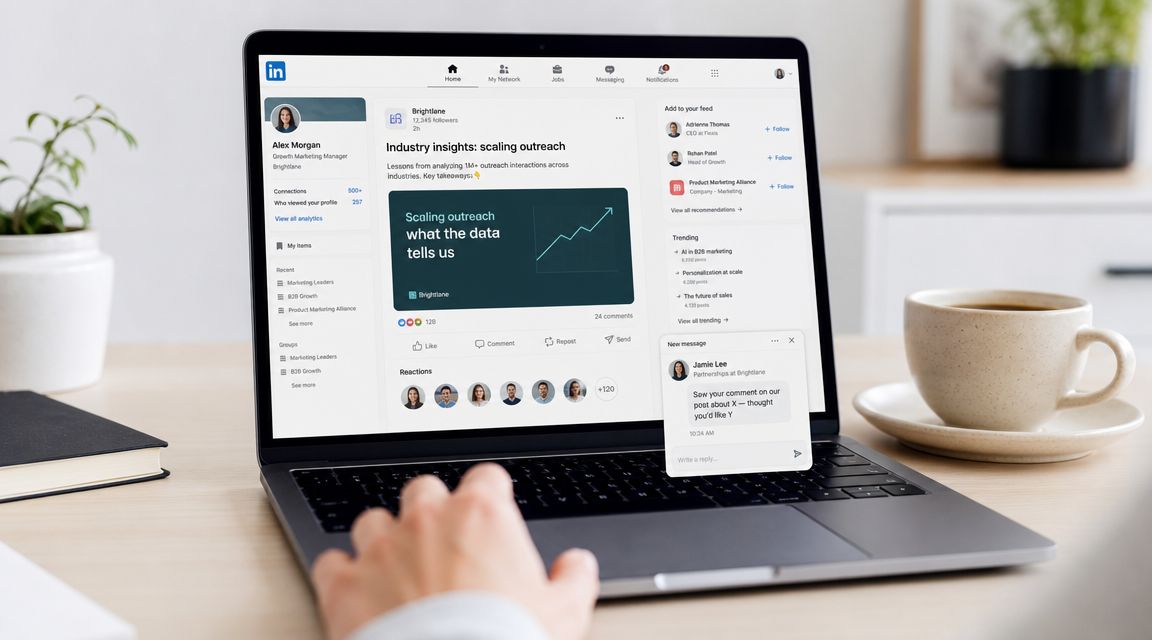
Cold outreach lands differently when the buyer has already seen your point of view. That's why LinkedIn-first sequences work. You publish opinionated content around a narrow operational problem, then run outbound against the same audience with messaging that continues the argument instead of restarting from zero.
This is one of the few drip marketing examples where attention compounds before the first direct touch. A head of sales who has seen two strong posts about SDR ramp problems will read your email with more context than someone seeing your brand for the first time.
How the sequence works
A practical version looks like this, using LinkedIn, Apollo, Sales Navigator, and Lemlist or Instantly.
Publish content aimed at one buying pain, not your full service menu.
Identify accounts engaging with the topic, plus adjacent accounts that fit the same ICP.
Send a connection request with no pitch.
Follow with an email that references the operating issue raised in the content.
Use the second email to sharpen the problem, not dump features.
For teams building this muscle, Grou's LinkedIn content strategy guide is a useful operating reference because it treats content and outbound as one system.
What usually fails
Teams force the content reference. They write “saw our post on X” as if that alone makes outreach warm. It doesn't. The content has to be specific enough that referencing it signals shared context.
Your post should do one job. Give the outbound rep a credible angle for why this account should hear from you now.
What works is continuity. Example, a manufacturing prospect sees a post about quoting delays between sales and ops. The follow-up email doesn't say “wanted to connect.” It says, in effect, “you likely have the same handoff friction if RFQs are backing up after first meetings.”
2. ICP-aligned account-based drip sequences
Broad targeting creates fake efficiency. You load a bigger list, launch faster, and then spend a month sorting weak replies from people who were never close to buying. The better move is narrower account selection with sequence variations by buyer role and account type.
Many B2B teams miss the point of drip marketing examples. The sequence isn't the asset. The account selection logic is.
The segment rule that matters
The best-performing segments usually sit where three things overlap. Authority, pain, and channel fit. If one is missing, reply volume may look decent but pipeline quality drops.
A practical B2B example is heads of sales at SaaS companies with active hiring signals. That buyer usually owns the problem, lives in inbox and LinkedIn, and understands outbound mechanics well enough to recognize competent outreach.
Authority: The contact can say yes without dragging the process into a large committee.
Pain signal: Hiring, org changes, or GTM expansion usually mean something in the pipeline engine needs attention.
Channel fit: Some personas read email and LinkedIn. Others don't, regardless of copy quality.
For teams tightening account selection, this ICP guide from Grou is worth using as a working doc, not just a strategy note.
A practical build
Create separate sequences by persona, not just by industry. A VP Sales, RevOps lead, and founder at the same company shouldn't get the same first message. The trigger may be shared, but the pain framing won't be.
Practical rule: If your sequence can be sent unchanged to five different buyer roles, it isn't segmented enough.
3. Fast-reply routing drip sequences
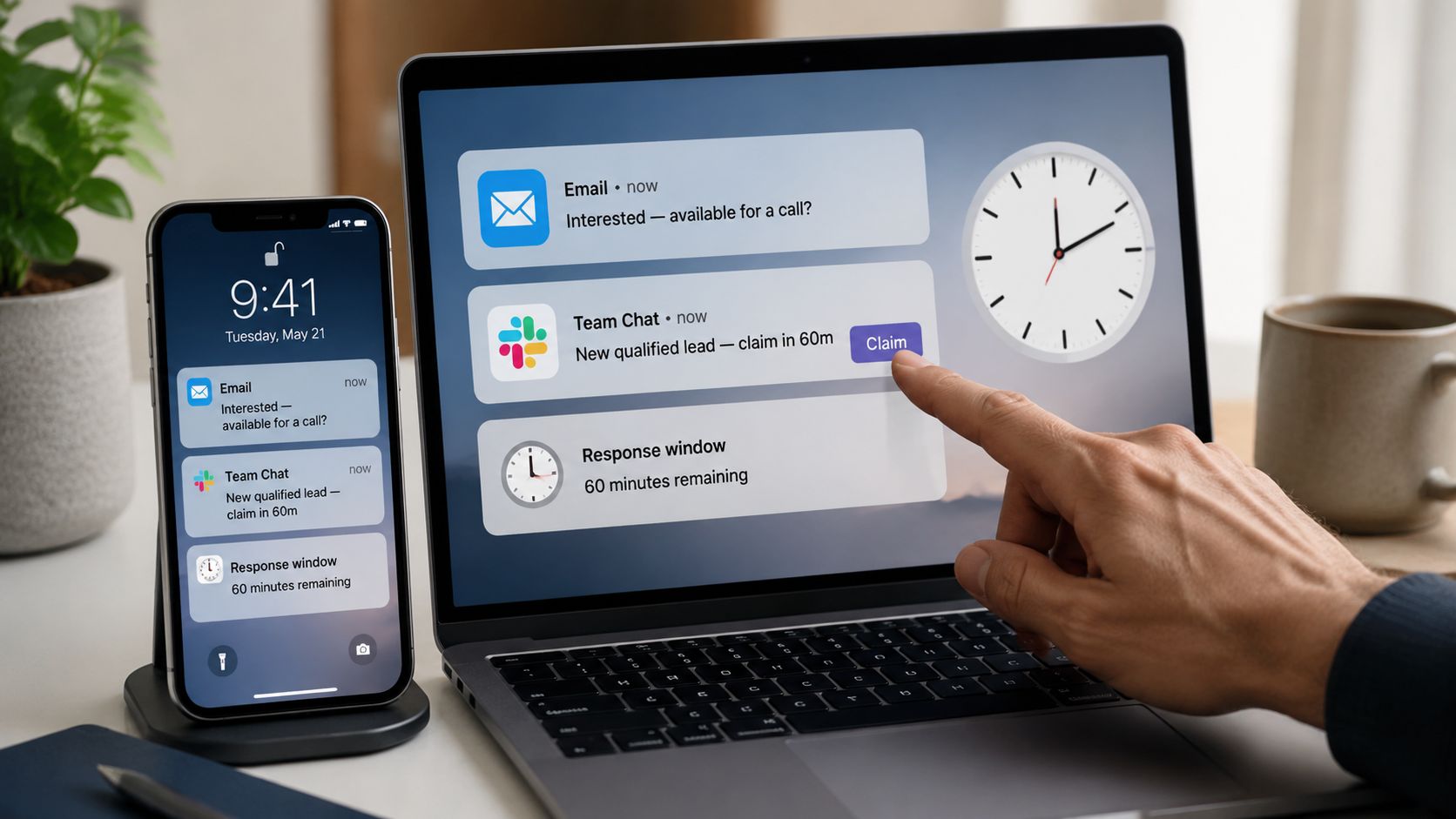
A lot of drip systems are built like vending machines. Contact goes in, touches come out, and the workflow keeps running even after the prospect replies. That's lazy automation. A real sequence needs routing logic that pauses automation and hands the conversation to a human fast.
If you've ever had a prospect reply positively, then receive two more automated nudges, you already know the cost of bad routing. It makes the team look disjointed.
Speed changes conversion
Fast-reply routing matters because timing and relevance are core to how drip campaigns drive results. Benchmarks for drip campaigns are often judged on open rate, click rate, unsubscribe rate, and conversion rate, with guidance treating 20%+ open rate and 2.5%+ click rate as solid signals, while 0.5%+ unsubscribes per email can be a warning sign in this roundup of drip campaign performance signals. In practice, for B2B outbound, the more important move is getting a human into the thread as soon as intent appears.
Routing rules worth building
Use HubSpot, Pipedrive, or your CRM of choice, then push notifications into Slack. Add clear ownership and an SLA during business hours. If nobody owns response speed, nobody owns the lead.
Auto-pause engaged contacts: Stop all future touches once a reply or meaningful LinkedIn interaction lands.
Route by qualification: Demo interest, vendor evaluation, and timing questions should go to different people if your sales motion is specialized.
Post to a shared channel: Sales should see context, prior touches, account notes, and suggested next action in one place.
If you're cleaning up this handoff, Grou's lead qualification process article lays out the operational side well.
4. Multi-touch attribution drip campaigns with daily iteration
Monthly reporting is too slow for a live sequence. By the time the dashboard says step three is weak, the sequence has already spent your best accounts.
Strong teams treat attribution as an operating system, not a retrospective. The job is to identify which touch created forward motion across channels, then adjust the sequence while volume is still low enough to protect performance.
What to measure
Email clicks rarely tell the full story in B2B. A sequence can influence a reply two days later, a LinkedIn profile view, a direct visit to your pricing page, or an inbound message that mentions a post your rep published last week. If you only credit the last click, you miss the touches that created recognition before the buyer responded.
That matters most in mixed-channel programs. A prospect sees a rep's LinkedIn post, gets an email, ignores it, then replies after the second touch because the name is now familiar. The copy did part of the work. Timing, channel order, and prior exposure did the rest.
Use a multi-touch attribution model for B2B pipeline analysis that tracks those assists. The point is simple. Measure contribution to pipeline movement, not isolated engagement events.
The daily iteration loop
Daily iteration works when the team reviews the same variables in the same order.
Check performance by step: Look at replies, positive replies, unsubscribes, and inactivity for each touch.
Check performance by segment: Compare persona, industry, company size, and trigger source to see where quality is coming from.
Check channel interaction: Review whether LinkedIn views, connection accepts, or site revisits increase before replies.
Change one major variable per cycle: Adjust the trigger, targeting, CTA, or send timing. Keep the rest stable so the result means something.
In practice, this is less about copy testing than about sequence structure. If step one underperforms across every segment, the issue is usually weak targeting or a bad trigger. If one segment replies and another stays cold, the problem is fit, not wording.
One more rule matters. Keep a control version live. Teams that rewrite half the sequence every day lose the ability to tell whether performance improved because of the offer, the audience, or simple list variance.
5. Pain-point-triggered drip sequences
Static lists underperform because they ignore timing. A contact may fit your ICP on paper and still be a terrible prospect right now. Triggered intake fixes that by starting the sequence when the problem is likely active.
That's a key lesson behind strong drip marketing examples. A trigger creates relevance before the first line of copy does.
Use triggers, not static lists
Good triggers are observable and commercially meaningful. Hiring is one. New leadership is another. Product expansion, channel expansion, compliance shifts, or market entry can also work if they change operational pressure.
One major case study shows what tightly timed nurture can do beyond standard email metrics. In a campaign highlighted by Drip, AMP Agency's sequenced program for Destination Maternity generated 51+ million digital impressions in 3 months, more than doubled click-through rate, cut cost-per-click by over 50%, and reduced cost-per-view by more than 90% in Drip's case study examples.
A simple trigger framework
Use Clay, Apollo, Sales Navigator, and CRM enrichment to map signal to message.
Define one trigger that usually precedes buying intent.
Write the opener around that trigger, not around your company.
Send while the event is still fresh.
Route by strength of signal, not by list order.
The trigger does most of the work. Copy just proves you noticed it.
A hiring-trigger opener for sales leaders works because it names a visible event and implies a likely operational problem. A generic “just reaching out” opener throws away that advantage.
6. Value-first drip campaigns with a resource gating strategy
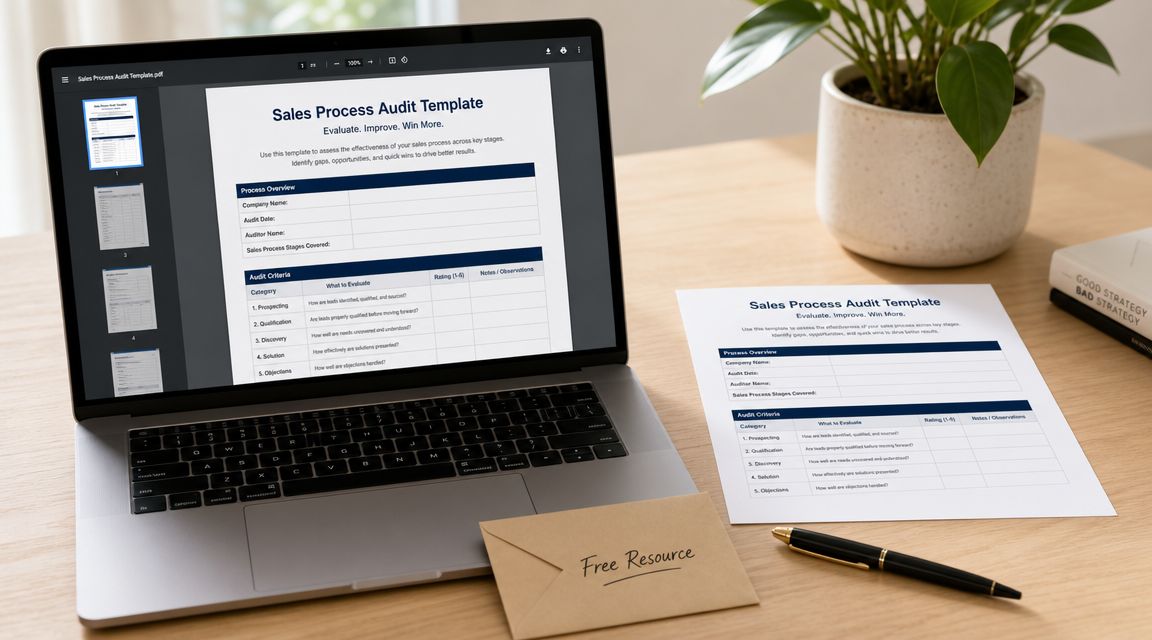
A direct meeting ask is often the weakest opening move in complex sales. In legal tech, pharma, and many manufacturing categories, buyers want proof of judgment first. They need to see how you frame the problem before they spend time on a call.
That makes value-first drips useful, but only if the asset is tied to a real buying question.
The best examples are practical tools with a clear job. A sales process audit. A qualification scorecard. A forecasting worksheet. A territory review template. If the prospect can use it without buying, it builds trust. If it only exists to collect an email address, it usually performs like any other gated PDF and stalls after the first click.
Why this works for skeptical buyers
Resource-gated sequences work when the gate is light and the follow-up adds interpretation, not pressure. The asset gets initial engagement. The next touches create the sales conversation.
That distinction matters. Sending a template alone rarely gets replies. Sending a template, then showing the two mistakes teams make when they use it, gives the buyer a reason to respond. The sequence earns attention by being useful first and specific second.
This approach also helps when several stakeholders are involved. A manager may download the worksheet. A director may care about benchmarks. A VP may only engage once the numbers or process gaps are clear. One good resource can support each of those conversations if the follow-up is structured well.
How to structure the sequence
Keep the flow tight.
Touch one: Send the resource with one sentence on the problem it helps diagnose.
Touch two: Add a short observation from the field. Focus on where teams mis-score, mis-prioritize, or skip steps.
Touch three: Offer a brief review, benchmark comparison, or one pointed question based on the resource.
A simple example: send a pipeline inspection worksheet to a sales leader after a rep-hiring push. Follow up with a note on where new-manager teams usually lose forecast accuracy. Then offer a 15-minute review of one stage definition or handoff point. That sequence works because each step increases relevance. It does not rush to the meeting ask before the buyer sees any value.
The trade-off is volume. Value-first campaigns take more work per sequence because the asset and the follow-up both need to be credible. In return, they usually produce better replies from harder-to-reach accounts, especially where trust, compliance, or internal review slow down direct outbound.
One rule keeps these campaigns from collapsing. Do not add unnecessary form friction. If the goal is to start a useful conversation, ask for the minimum information needed and let the follow-up do the qualification.
7. Objection-handling drip sequences with branching logic
Linear sequences assume all non-buyers are the same. They're not. “Not now” is different from “not enough budget,” which is different from “not sure you're the right fit.” If the system can't tell the difference, it can't recover the deal.
Branching logic is one of the more useful advanced drip marketing examples because it respects the actual sales conversation. The contact gives a signal, and the system changes course.
Build around real objections
Pull objection language from real inboxes and call notes. Don't invent polished categories in a workshop. Use the words buyers already use, then map those to branches in HubSpot, Customer.io, or your outbound stack.
A simple branching set looks like this.
Timing objection: Move to a lighter nurture with periodic value and a future check-in.
Budget objection: Shift to proof of cost of inaction, scope options, or internal business case support.
Fit objection: Send a narrower use case, relevant customer pattern, or candid disqualification message.
The branch logic to keep
Manual review matters here. Some objections are straightforward. Others signal politics, procurement friction, or internal confusion that automation can't handle well.
If a buyer took time to explain why they aren't moving, respond to that reason. Don't push them back into the same sequence that caused the objection.
The point of branching isn't to squeeze a yes from every reply. It's to keep good deals alive without treating every hesitation as the same problem.
8. Industry and vertical-specific drip variations
A sequence that works for SaaS will usually read wrong in manufacturing. The pain vocabulary is different. The buying process is different. Even what counts as a credible example is different.
Vertical variation isn't cosmetic. It changes the message architecture.
Vertical language beats broad relevance
In iGaming, buyers often care about jurisdiction readiness, partner credibility, and operational speed under market constraints. In manufacturing, they care about throughput, quoting, procurement friction, and channel coordination. In legal tech, trust and risk language matter more than growth-posturing.
That's why broad “we help teams scale pipeline” messaging falls flat. It sounds like software-company English applied to every industry.
For teams operating across multiple sectors, Grou's industries page is a useful example of how the same outbound engine can still require different market framing by vertical.
Where teams overdo it
You don't need ten totally separate campaigns if the core buying motion is similar. Start by changing three things per vertical.
Hook: The first line should name a real operational issue in that market.
Proof: Examples and references should look native to that buyer's world.
CTA framing: The next step should match the pace and norms of that industry.
The mistake is swapping only nouns. “Leads” becomes “matters” or “operators,” but the structure still sounds generic. Buyers can tell.
9. Engagement-score-based nurture drip sequences
Scoring isn't useful unless it changes what happens next. A lot of teams build elaborate engagement models that do nothing except decorate dashboards. If a score doesn't alter cadence, message depth, routing, or channel choice, it's just reporting.
This matters even more as drip marketing expands beyond email-only examples. One of the key gaps in the market is omnichannel sequencing with email, SMS, and other triggers, plus a decision framework for when a drip should move from email to SMS, push, or sales follow-up based on signal strength, urgency, and consent as discussed in Drip's take on the omnichannel gap in drip examples.
Scoring should change action
Think of score bands as action bands.
Low engagement should trigger lighter nurture or a different hook. Moderate engagement should trigger educational follow-up. High engagement should route to sales or prompt a more direct ask. The score exists to allocate attention.
A clean score model
Start simple and keep the signals behavioral.
Give points for meaningful email engagement, reply intent, LinkedIn interaction, and repeat site activity.
Remove points for inactivity over time.
Add a manual override for strong buying signals that the model can't fully capture.
Tie each score range to one next action.
More examples isn't the same as more useful examples. The useful part is knowing when the next touch should stay in email and when it should move to another channel.
If you can't explain the scoring model to sales in two minutes, it's too complicated.
10. Re-activation and win-back drip campaigns
Win-back campaigns fail when teams treat them like archived outbound. A prospect who went quiet already told you something through timing, fit, internal process, or lack of urgency. The sequence only works if the re-entry is triggered by a real change and mapped to that prior signal.
That is the difference between list recycling and re-activation.
Start with the intake logic. Re-opening a stalled conversation should be based on a trigger you can name, not a calendar reminder. Useful triggers include a new funding event, a leadership hire, product usage dropping after a trial, renewed site activity, a compliance deadline, or a meaningful shift in your offer such as a faster implementation path or a new integration.
Re-enter on a changed condition
Prior disposition matters here. "No budget" should get a different win-back path than "went dark after demo" or "bad timing this quarter." If you store the reason for stall, you can write shorter emails because the context is already doing part of the work.
Keep the sequence tight. For win-back, fewer touches usually outperform longer nurture unless the contact explicitly asked to stay on updates. The goal is to test whether the account should re-enter active pipeline, not to keep sending for the sake of activity.
A practical structure looks like this:
Email one: Name the trigger and connect it to the original reason the deal stalled.
Email two: Add proof that reduces risk. A customer result, implementation detail, or a specific before-and-after process change.
Email three: Ask for a clear next step or permission to close the loop.
Timing should reflect relationship history. Leave more space between touches than you would in a new outbound sequence, especially if the last interaction ended with a soft no. In practice, the best-performing win-back programs use patience plus specificity. A rushed follow-up feels lazy. A relevant one feels earned.
One more trade-off matters. Do not put every dormant lead into the same email-only flow. If the reactivation trigger is strong, such as repeat product visits from a former opportunity or a prospect engaging again with LinkedIn content, route it into a higher-attention sequence that can include sales follow-up. Win-back works best as a signal-driven filter, not a bulk send.
10 Drip Marketing Campaigns Compared
Strategy | Implementation complexity 🔄 | Resource requirements ⚡ | Expected outcomes ⭐ / 📊 | Ideal use cases 💡 | Key advantages ⭐ |
|---|---|---|---|---|---|
LinkedIn-first drip campaigns with content credibility sequences | Medium–High (🔄🔄), content cadence + sequencing coordination | High (⚡⚡⚡), consistent content creation & management | High warm reply rate; predictable pipeline signals within ~30 days (⭐⭐⭐⭐) | B2B thought-leadership, brand-building, mid‑to‑long sales cycles | Warms prospects before outreach; reduces cold friction; aligns sales & marketing |
ICP-aligned account-based drip sequences | High (🔄🔄🔄), precise list building & sequence branching | High (⚡⚡⚡), enrichment tools + targeted copy per ICP | Higher conversion & deal size from tightly targeted accounts (⭐⭐⭐⭐⭐) | Enterprise / mid‑market ABM programs; high-value accounts | Extremely relevant outreach; improves sales productivity; reduces wasted touches |
Fast-reply routing drip sequences | Medium–High (🔄🔄🔄), real‑time integrations & routing rules | Medium (⚡⚡), notification systems + dedicated response team | Fast conversions; higher reply→meeting rates; reduced time‑to‑meeting (⭐⭐⭐⭐) | High-velocity SaaS, live-demo businesses, teams able to respond quickly | Captures prospects while hot; boosts meeting booking and deal velocity |
Multi-touch attribution drip campaigns with daily iteration | High (🔄🔄🔄), analytics & testing infrastructure | High (⚡⚡⚡), dashboards, analysts, A/B framework | Predictable pipeline and rapid optimization; data-driven ROI (⭐⭐⭐⭐) | Data-driven RevOps teams, scalable demand gen programs | Rapid learning loop; pause/scale based on attribution; transparent reporting |
Pain-point-triggered drip sequences | High (🔄🔄🔄), signal detection & trigger accuracy | High (⚡⚡⚡), integrations, research, intent data | Very high contextual relevance and timing; improved reply/conversion (⭐⭐⭐⭐) | Trigger-rich scenarios (funding, hiring, regulatory changes) | Reaches prospects when pain is acute; differentiates outreach with context |
Value-first drip campaigns with a resource gating strategy | Medium (🔄🔄), content sequencing & progressive profiling | High (⚡⚡⚡), quality resources, templates, research | Higher‑quality conversations; longer but more valuable pipeline (⭐⭐⭐⭐) | Complex sales, inbound/nurture focus, content-led acquisition | Builds credibility before ask; attracts higher-quality, better-fit prospects |
Objection-handling drip sequences with branching logic | Very High (🔄🔄🔄), complex branching and detection rules | High (⚡⚡⚡), templated responses, testing, manual review | Better objection recovery and salvage rates; more paths to conversion (⭐⭐⭐⭐) | Longer sales cycles with predictable objections; consultative selling | Proactively addresses objections; reduces dead‑ends and improves recovery |
Industry and vertical-specific drip variations | High (🔄🔄🔄), multiple tailored campaigns to manage | Very High (⚡⚡⚡⚡), content per vertical, compliance checks | Higher reply rate and conversion quality by vertical (⭐⭐⭐⭐) | Multi‑vertical sellers, regulated industries requiring compliance | Perceived specialization; better relevance and compliance adherence |
Engagement-score-based nurture drip sequences | Medium–High (🔄🔄), scoring model & dynamic pacing | Medium (⚡⚡), tracking, automation, thresholds | Efficient handoffs; reduces wasted outreach; improves conversion accuracy (⭐⭐⭐⭐) | Scaling outreach with automation; teams needing objective handoffs | Data-driven routing; adapts cadence to interest; reduces sales noise |
Re-activation and win-back drip campaigns | Low–Medium (🔄🔄), shorter sequences with targeted messaging | Low–Medium (⚡⚡), existing data + refreshed assets | Cost-effective pipeline replenishment; moderate win rates (⭐⭐⭐) | Dormant prospects, past leads, churned opportunities | Low acquisition cost; recovers pipeline from existing database |
Your next step build one signal-triggered sequence
The common thread across these drip marketing examples is simple. Structure beats cleverness. The best campaigns don't start with copy. They start with a defined ICP, a real trigger, a channel match, and clear routing once intent appears.
That matters because drip marketing itself is built on triggered, sequential messaging. It became foundational because it lets teams personalize follow-up at scale instead of relying on one-time blasts or manual chasing. When the sequence is tied to behavior and timing, the campaign has a reason to exist. When it isn't, you're just sending scheduled messages to a list.
If you only take one action from this guide, do this. Pick one reliable signal for one high-conviction segment. Hiring activity, product launch, leadership change, webinar signup, or demo request all work if they connect to buyer pain. Then build a short sequence around that one event.
Use this five-step build:
Choose one persona with authority.
Choose one trigger that signals active pain or active interest.
Write the first message around the trigger, not your offer.
Keep the sequence tight, then route replies fast.
Review by segment and by touch, then adjust based on what moves conversations.
For B2B teams, I'd also treat open rate carefully. It's still one of the common benchmark metrics in drip reporting, but reply quality and downstream conversion tell you more about whether the system is producing pipeline. Use opens and clicks as directional signals. Let meetings, qualification, and opportunity creation decide whether the sequence stays.
If your team needs support building that system, Drast AI's meeting booking framework is a useful reference for the handoff side, and Grou is one option if you want LinkedIn content, list building, outbound, and reply routing run as one pipeline program rather than as disconnected channels.
Start with one trigger. One segment. One sequence. A focused test like that will teach you more than another round of generic campaign templates.
If you want help turning these drip marketing examples into a working outbound system, Grou builds ICP-aligned prospecting, LinkedIn content, outbound sequencing, and fast reply routing into one operating model, so your team can spend less time stitching tools together and more time converting qualified conversations.
Go-to-market teams rarely have a copy problem first. They have an intake problem. Low reply rates usually start earlier, with weak segmentation, generic timing, and sequences triggered by list uploads instead of buyer signals.
That pattern creates two predictable failures. The right accounts enter too late, after the buying window has cooled. The wrong accounts enter at all, which drags down replies, wastes SDR time, and fills the pipeline with meetings that never had a real chance to convert.
Drip campaigns work when four pieces line up: targeting, trigger, cadence, and handoff. If one breaks, the sequence underperforms even with strong writing. I have seen teams rewrite email copy for days while keeping the same broad audience and static send schedule. Results barely moved because the system feeding the sequence stayed the same.
A stronger approach starts with signal-triggered intake. Use events that indicate actual interest or change, such as a new champion engaging with your LinkedIn posts, a target account visiting high-intent pages, a funding event, a hiring spike, or a form fill that matches your ICP. Then set timing around that signal, pair email with social proof from your LinkedIn presence, and define what happens when someone replies, clicks, or goes quiet. Teams that combine outbound with a clear LinkedIn content strategy for sales credibility usually give prospects more context before the first reply decision.
The examples in this guide focus on systems you can repeat. The useful question is not which template to copy. It is which trigger should place a lead into which path, how long that path should run, and what routing rule should move a live prospect to a human fast enough to matter.
If you're rebuilding outbound or lifecycle nurture, start with resources for optimizing sales outreach, then adapt the examples below to your ICP, trigger rules, and response workflow.
Table of Contents
1. LinkedIn-first drip campaigns with content credibility sequences
4. Multi-touch attribution drip campaigns with daily iteration
6. Value-first drip campaigns with a resource gating strategy
1. LinkedIn-first drip campaigns with content credibility sequences
Cold outreach lands differently when the buyer has already seen your point of view. That's why LinkedIn-first sequences work. You publish opinionated content around a narrow operational problem, then run outbound against the same audience with messaging that continues the argument instead of restarting from zero.
This is one of the few drip marketing examples where attention compounds before the first direct touch. A head of sales who has seen two strong posts about SDR ramp problems will read your email with more context than someone seeing your brand for the first time.
How the sequence works
A practical version looks like this, using LinkedIn, Apollo, Sales Navigator, and Lemlist or Instantly.
Publish content aimed at one buying pain, not your full service menu.
Identify accounts engaging with the topic, plus adjacent accounts that fit the same ICP.
Send a connection request with no pitch.
Follow with an email that references the operating issue raised in the content.
Use the second email to sharpen the problem, not dump features.
For teams building this muscle, Grou's LinkedIn content strategy guide is a useful operating reference because it treats content and outbound as one system.
What usually fails
Teams force the content reference. They write “saw our post on X” as if that alone makes outreach warm. It doesn't. The content has to be specific enough that referencing it signals shared context.
Your post should do one job. Give the outbound rep a credible angle for why this account should hear from you now.
What works is continuity. Example, a manufacturing prospect sees a post about quoting delays between sales and ops. The follow-up email doesn't say “wanted to connect.” It says, in effect, “you likely have the same handoff friction if RFQs are backing up after first meetings.”
2. ICP-aligned account-based drip sequences
Broad targeting creates fake efficiency. You load a bigger list, launch faster, and then spend a month sorting weak replies from people who were never close to buying. The better move is narrower account selection with sequence variations by buyer role and account type.
Many B2B teams miss the point of drip marketing examples. The sequence isn't the asset. The account selection logic is.
The segment rule that matters
The best-performing segments usually sit where three things overlap. Authority, pain, and channel fit. If one is missing, reply volume may look decent but pipeline quality drops.
A practical B2B example is heads of sales at SaaS companies with active hiring signals. That buyer usually owns the problem, lives in inbox and LinkedIn, and understands outbound mechanics well enough to recognize competent outreach.
Authority: The contact can say yes without dragging the process into a large committee.
Pain signal: Hiring, org changes, or GTM expansion usually mean something in the pipeline engine needs attention.
Channel fit: Some personas read email and LinkedIn. Others don't, regardless of copy quality.
For teams tightening account selection, this ICP guide from Grou is worth using as a working doc, not just a strategy note.
A practical build
Create separate sequences by persona, not just by industry. A VP Sales, RevOps lead, and founder at the same company shouldn't get the same first message. The trigger may be shared, but the pain framing won't be.
Practical rule: If your sequence can be sent unchanged to five different buyer roles, it isn't segmented enough.
3. Fast-reply routing drip sequences
A lot of drip systems are built like vending machines. Contact goes in, touches come out, and the workflow keeps running even after the prospect replies. That's lazy automation. A real sequence needs routing logic that pauses automation and hands the conversation to a human fast.
If you've ever had a prospect reply positively, then receive two more automated nudges, you already know the cost of bad routing. It makes the team look disjointed.
Speed changes conversion
Fast-reply routing matters because timing and relevance are core to how drip campaigns drive results. Benchmarks for drip campaigns are often judged on open rate, click rate, unsubscribe rate, and conversion rate, with guidance treating 20%+ open rate and 2.5%+ click rate as solid signals, while 0.5%+ unsubscribes per email can be a warning sign in this roundup of drip campaign performance signals. In practice, for B2B outbound, the more important move is getting a human into the thread as soon as intent appears.
Routing rules worth building
Use HubSpot, Pipedrive, or your CRM of choice, then push notifications into Slack. Add clear ownership and an SLA during business hours. If nobody owns response speed, nobody owns the lead.
Auto-pause engaged contacts: Stop all future touches once a reply or meaningful LinkedIn interaction lands.
Route by qualification: Demo interest, vendor evaluation, and timing questions should go to different people if your sales motion is specialized.
Post to a shared channel: Sales should see context, prior touches, account notes, and suggested next action in one place.
If you're cleaning up this handoff, Grou's lead qualification process article lays out the operational side well.
4. Multi-touch attribution drip campaigns with daily iteration
Monthly reporting is too slow for a live sequence. By the time the dashboard says step three is weak, the sequence has already spent your best accounts.
Strong teams treat attribution as an operating system, not a retrospective. The job is to identify which touch created forward motion across channels, then adjust the sequence while volume is still low enough to protect performance.
What to measure
Email clicks rarely tell the full story in B2B. A sequence can influence a reply two days later, a LinkedIn profile view, a direct visit to your pricing page, or an inbound message that mentions a post your rep published last week. If you only credit the last click, you miss the touches that created recognition before the buyer responded.
That matters most in mixed-channel programs. A prospect sees a rep's LinkedIn post, gets an email, ignores it, then replies after the second touch because the name is now familiar. The copy did part of the work. Timing, channel order, and prior exposure did the rest.
Use a multi-touch attribution model for B2B pipeline analysis that tracks those assists. The point is simple. Measure contribution to pipeline movement, not isolated engagement events.
The daily iteration loop
Daily iteration works when the team reviews the same variables in the same order.
Check performance by step: Look at replies, positive replies, unsubscribes, and inactivity for each touch.
Check performance by segment: Compare persona, industry, company size, and trigger source to see where quality is coming from.
Check channel interaction: Review whether LinkedIn views, connection accepts, or site revisits increase before replies.
Change one major variable per cycle: Adjust the trigger, targeting, CTA, or send timing. Keep the rest stable so the result means something.
In practice, this is less about copy testing than about sequence structure. If step one underperforms across every segment, the issue is usually weak targeting or a bad trigger. If one segment replies and another stays cold, the problem is fit, not wording.
One more rule matters. Keep a control version live. Teams that rewrite half the sequence every day lose the ability to tell whether performance improved because of the offer, the audience, or simple list variance.
5. Pain-point-triggered drip sequences
Static lists underperform because they ignore timing. A contact may fit your ICP on paper and still be a terrible prospect right now. Triggered intake fixes that by starting the sequence when the problem is likely active.
That's a key lesson behind strong drip marketing examples. A trigger creates relevance before the first line of copy does.
Use triggers, not static lists
Good triggers are observable and commercially meaningful. Hiring is one. New leadership is another. Product expansion, channel expansion, compliance shifts, or market entry can also work if they change operational pressure.
One major case study shows what tightly timed nurture can do beyond standard email metrics. In a campaign highlighted by Drip, AMP Agency's sequenced program for Destination Maternity generated 51+ million digital impressions in 3 months, more than doubled click-through rate, cut cost-per-click by over 50%, and reduced cost-per-view by more than 90% in Drip's case study examples.
A simple trigger framework
Use Clay, Apollo, Sales Navigator, and CRM enrichment to map signal to message.
Define one trigger that usually precedes buying intent.
Write the opener around that trigger, not around your company.
Send while the event is still fresh.
Route by strength of signal, not by list order.
The trigger does most of the work. Copy just proves you noticed it.
A hiring-trigger opener for sales leaders works because it names a visible event and implies a likely operational problem. A generic “just reaching out” opener throws away that advantage.
6. Value-first drip campaigns with a resource gating strategy
A direct meeting ask is often the weakest opening move in complex sales. In legal tech, pharma, and many manufacturing categories, buyers want proof of judgment first. They need to see how you frame the problem before they spend time on a call.
That makes value-first drips useful, but only if the asset is tied to a real buying question.
The best examples are practical tools with a clear job. A sales process audit. A qualification scorecard. A forecasting worksheet. A territory review template. If the prospect can use it without buying, it builds trust. If it only exists to collect an email address, it usually performs like any other gated PDF and stalls after the first click.
Why this works for skeptical buyers
Resource-gated sequences work when the gate is light and the follow-up adds interpretation, not pressure. The asset gets initial engagement. The next touches create the sales conversation.
That distinction matters. Sending a template alone rarely gets replies. Sending a template, then showing the two mistakes teams make when they use it, gives the buyer a reason to respond. The sequence earns attention by being useful first and specific second.
This approach also helps when several stakeholders are involved. A manager may download the worksheet. A director may care about benchmarks. A VP may only engage once the numbers or process gaps are clear. One good resource can support each of those conversations if the follow-up is structured well.
How to structure the sequence
Keep the flow tight.
Touch one: Send the resource with one sentence on the problem it helps diagnose.
Touch two: Add a short observation from the field. Focus on where teams mis-score, mis-prioritize, or skip steps.
Touch three: Offer a brief review, benchmark comparison, or one pointed question based on the resource.
A simple example: send a pipeline inspection worksheet to a sales leader after a rep-hiring push. Follow up with a note on where new-manager teams usually lose forecast accuracy. Then offer a 15-minute review of one stage definition or handoff point. That sequence works because each step increases relevance. It does not rush to the meeting ask before the buyer sees any value.
The trade-off is volume. Value-first campaigns take more work per sequence because the asset and the follow-up both need to be credible. In return, they usually produce better replies from harder-to-reach accounts, especially where trust, compliance, or internal review slow down direct outbound.
One rule keeps these campaigns from collapsing. Do not add unnecessary form friction. If the goal is to start a useful conversation, ask for the minimum information needed and let the follow-up do the qualification.
7. Objection-handling drip sequences with branching logic
Linear sequences assume all non-buyers are the same. They're not. “Not now” is different from “not enough budget,” which is different from “not sure you're the right fit.” If the system can't tell the difference, it can't recover the deal.
Branching logic is one of the more useful advanced drip marketing examples because it respects the actual sales conversation. The contact gives a signal, and the system changes course.
Build around real objections
Pull objection language from real inboxes and call notes. Don't invent polished categories in a workshop. Use the words buyers already use, then map those to branches in HubSpot, Customer.io, or your outbound stack.
A simple branching set looks like this.
Timing objection: Move to a lighter nurture with periodic value and a future check-in.
Budget objection: Shift to proof of cost of inaction, scope options, or internal business case support.
Fit objection: Send a narrower use case, relevant customer pattern, or candid disqualification message.
The branch logic to keep
Manual review matters here. Some objections are straightforward. Others signal politics, procurement friction, or internal confusion that automation can't handle well.
If a buyer took time to explain why they aren't moving, respond to that reason. Don't push them back into the same sequence that caused the objection.
The point of branching isn't to squeeze a yes from every reply. It's to keep good deals alive without treating every hesitation as the same problem.
8. Industry and vertical-specific drip variations
A sequence that works for SaaS will usually read wrong in manufacturing. The pain vocabulary is different. The buying process is different. Even what counts as a credible example is different.
Vertical variation isn't cosmetic. It changes the message architecture.
Vertical language beats broad relevance
In iGaming, buyers often care about jurisdiction readiness, partner credibility, and operational speed under market constraints. In manufacturing, they care about throughput, quoting, procurement friction, and channel coordination. In legal tech, trust and risk language matter more than growth-posturing.
That's why broad “we help teams scale pipeline” messaging falls flat. It sounds like software-company English applied to every industry.
For teams operating across multiple sectors, Grou's industries page is a useful example of how the same outbound engine can still require different market framing by vertical.
Where teams overdo it
You don't need ten totally separate campaigns if the core buying motion is similar. Start by changing three things per vertical.
Hook: The first line should name a real operational issue in that market.
Proof: Examples and references should look native to that buyer's world.
CTA framing: The next step should match the pace and norms of that industry.
The mistake is swapping only nouns. “Leads” becomes “matters” or “operators,” but the structure still sounds generic. Buyers can tell.
9. Engagement-score-based nurture drip sequences
Scoring isn't useful unless it changes what happens next. A lot of teams build elaborate engagement models that do nothing except decorate dashboards. If a score doesn't alter cadence, message depth, routing, or channel choice, it's just reporting.
This matters even more as drip marketing expands beyond email-only examples. One of the key gaps in the market is omnichannel sequencing with email, SMS, and other triggers, plus a decision framework for when a drip should move from email to SMS, push, or sales follow-up based on signal strength, urgency, and consent as discussed in Drip's take on the omnichannel gap in drip examples.
Scoring should change action
Think of score bands as action bands.
Low engagement should trigger lighter nurture or a different hook. Moderate engagement should trigger educational follow-up. High engagement should route to sales or prompt a more direct ask. The score exists to allocate attention.
A clean score model
Start simple and keep the signals behavioral.
Give points for meaningful email engagement, reply intent, LinkedIn interaction, and repeat site activity.
Remove points for inactivity over time.
Add a manual override for strong buying signals that the model can't fully capture.
Tie each score range to one next action.
More examples isn't the same as more useful examples. The useful part is knowing when the next touch should stay in email and when it should move to another channel.
If you can't explain the scoring model to sales in two minutes, it's too complicated.
10. Re-activation and win-back drip campaigns
Win-back campaigns fail when teams treat them like archived outbound. A prospect who went quiet already told you something through timing, fit, internal process, or lack of urgency. The sequence only works if the re-entry is triggered by a real change and mapped to that prior signal.
That is the difference between list recycling and re-activation.
Start with the intake logic. Re-opening a stalled conversation should be based on a trigger you can name, not a calendar reminder. Useful triggers include a new funding event, a leadership hire, product usage dropping after a trial, renewed site activity, a compliance deadline, or a meaningful shift in your offer such as a faster implementation path or a new integration.
Re-enter on a changed condition
Prior disposition matters here. "No budget" should get a different win-back path than "went dark after demo" or "bad timing this quarter." If you store the reason for stall, you can write shorter emails because the context is already doing part of the work.
Keep the sequence tight. For win-back, fewer touches usually outperform longer nurture unless the contact explicitly asked to stay on updates. The goal is to test whether the account should re-enter active pipeline, not to keep sending for the sake of activity.
A practical structure looks like this:
Email one: Name the trigger and connect it to the original reason the deal stalled.
Email two: Add proof that reduces risk. A customer result, implementation detail, or a specific before-and-after process change.
Email three: Ask for a clear next step or permission to close the loop.
Timing should reflect relationship history. Leave more space between touches than you would in a new outbound sequence, especially if the last interaction ended with a soft no. In practice, the best-performing win-back programs use patience plus specificity. A rushed follow-up feels lazy. A relevant one feels earned.
One more trade-off matters. Do not put every dormant lead into the same email-only flow. If the reactivation trigger is strong, such as repeat product visits from a former opportunity or a prospect engaging again with LinkedIn content, route it into a higher-attention sequence that can include sales follow-up. Win-back works best as a signal-driven filter, not a bulk send.
10 Drip Marketing Campaigns Compared
Strategy | Implementation complexity 🔄 | Resource requirements ⚡ | Expected outcomes ⭐ / 📊 | Ideal use cases 💡 | Key advantages ⭐ |
|---|---|---|---|---|---|
LinkedIn-first drip campaigns with content credibility sequences | Medium–High (🔄🔄), content cadence + sequencing coordination | High (⚡⚡⚡), consistent content creation & management | High warm reply rate; predictable pipeline signals within ~30 days (⭐⭐⭐⭐) | B2B thought-leadership, brand-building, mid‑to‑long sales cycles | Warms prospects before outreach; reduces cold friction; aligns sales & marketing |
ICP-aligned account-based drip sequences | High (🔄🔄🔄), precise list building & sequence branching | High (⚡⚡⚡), enrichment tools + targeted copy per ICP | Higher conversion & deal size from tightly targeted accounts (⭐⭐⭐⭐⭐) | Enterprise / mid‑market ABM programs; high-value accounts | Extremely relevant outreach; improves sales productivity; reduces wasted touches |
Fast-reply routing drip sequences | Medium–High (🔄🔄🔄), real‑time integrations & routing rules | Medium (⚡⚡), notification systems + dedicated response team | Fast conversions; higher reply→meeting rates; reduced time‑to‑meeting (⭐⭐⭐⭐) | High-velocity SaaS, live-demo businesses, teams able to respond quickly | Captures prospects while hot; boosts meeting booking and deal velocity |
Multi-touch attribution drip campaigns with daily iteration | High (🔄🔄🔄), analytics & testing infrastructure | High (⚡⚡⚡), dashboards, analysts, A/B framework | Predictable pipeline and rapid optimization; data-driven ROI (⭐⭐⭐⭐) | Data-driven RevOps teams, scalable demand gen programs | Rapid learning loop; pause/scale based on attribution; transparent reporting |
Pain-point-triggered drip sequences | High (🔄🔄🔄), signal detection & trigger accuracy | High (⚡⚡⚡), integrations, research, intent data | Very high contextual relevance and timing; improved reply/conversion (⭐⭐⭐⭐) | Trigger-rich scenarios (funding, hiring, regulatory changes) | Reaches prospects when pain is acute; differentiates outreach with context |
Value-first drip campaigns with a resource gating strategy | Medium (🔄🔄), content sequencing & progressive profiling | High (⚡⚡⚡), quality resources, templates, research | Higher‑quality conversations; longer but more valuable pipeline (⭐⭐⭐⭐) | Complex sales, inbound/nurture focus, content-led acquisition | Builds credibility before ask; attracts higher-quality, better-fit prospects |
Objection-handling drip sequences with branching logic | Very High (🔄🔄🔄), complex branching and detection rules | High (⚡⚡⚡), templated responses, testing, manual review | Better objection recovery and salvage rates; more paths to conversion (⭐⭐⭐⭐) | Longer sales cycles with predictable objections; consultative selling | Proactively addresses objections; reduces dead‑ends and improves recovery |
Industry and vertical-specific drip variations | High (🔄🔄🔄), multiple tailored campaigns to manage | Very High (⚡⚡⚡⚡), content per vertical, compliance checks | Higher reply rate and conversion quality by vertical (⭐⭐⭐⭐) | Multi‑vertical sellers, regulated industries requiring compliance | Perceived specialization; better relevance and compliance adherence |
Engagement-score-based nurture drip sequences | Medium–High (🔄🔄), scoring model & dynamic pacing | Medium (⚡⚡), tracking, automation, thresholds | Efficient handoffs; reduces wasted outreach; improves conversion accuracy (⭐⭐⭐⭐) | Scaling outreach with automation; teams needing objective handoffs | Data-driven routing; adapts cadence to interest; reduces sales noise |
Re-activation and win-back drip campaigns | Low–Medium (🔄🔄), shorter sequences with targeted messaging | Low–Medium (⚡⚡), existing data + refreshed assets | Cost-effective pipeline replenishment; moderate win rates (⭐⭐⭐) | Dormant prospects, past leads, churned opportunities | Low acquisition cost; recovers pipeline from existing database |
Your next step build one signal-triggered sequence
The common thread across these drip marketing examples is simple. Structure beats cleverness. The best campaigns don't start with copy. They start with a defined ICP, a real trigger, a channel match, and clear routing once intent appears.
That matters because drip marketing itself is built on triggered, sequential messaging. It became foundational because it lets teams personalize follow-up at scale instead of relying on one-time blasts or manual chasing. When the sequence is tied to behavior and timing, the campaign has a reason to exist. When it isn't, you're just sending scheduled messages to a list.
If you only take one action from this guide, do this. Pick one reliable signal for one high-conviction segment. Hiring activity, product launch, leadership change, webinar signup, or demo request all work if they connect to buyer pain. Then build a short sequence around that one event.
Use this five-step build:
Choose one persona with authority.
Choose one trigger that signals active pain or active interest.
Write the first message around the trigger, not your offer.
Keep the sequence tight, then route replies fast.
Review by segment and by touch, then adjust based on what moves conversations.
For B2B teams, I'd also treat open rate carefully. It's still one of the common benchmark metrics in drip reporting, but reply quality and downstream conversion tell you more about whether the system is producing pipeline. Use opens and clicks as directional signals. Let meetings, qualification, and opportunity creation decide whether the sequence stays.
If your team needs support building that system, Drast AI's meeting booking framework is a useful reference for the handoff side, and Grou is one option if you want LinkedIn content, list building, outbound, and reply routing run as one pipeline program rather than as disconnected channels.
Start with one trigger. One segment. One sequence. A focused test like that will teach you more than another round of generic campaign templates.
If you want help turning these drip marketing examples into a working outbound system, Grou builds ICP-aligned prospecting, LinkedIn content, outbound sequencing, and fast reply routing into one operating model, so your team can spend less time stitching tools together and more time converting qualified conversations.
Go-to-market teams rarely have a copy problem first. They have an intake problem. Low reply rates usually start earlier, with weak segmentation, generic timing, and sequences triggered by list uploads instead of buyer signals.
That pattern creates two predictable failures. The right accounts enter too late, after the buying window has cooled. The wrong accounts enter at all, which drags down replies, wastes SDR time, and fills the pipeline with meetings that never had a real chance to convert.
Drip campaigns work when four pieces line up: targeting, trigger, cadence, and handoff. If one breaks, the sequence underperforms even with strong writing. I have seen teams rewrite email copy for days while keeping the same broad audience and static send schedule. Results barely moved because the system feeding the sequence stayed the same.
A stronger approach starts with signal-triggered intake. Use events that indicate actual interest or change, such as a new champion engaging with your LinkedIn posts, a target account visiting high-intent pages, a funding event, a hiring spike, or a form fill that matches your ICP. Then set timing around that signal, pair email with social proof from your LinkedIn presence, and define what happens when someone replies, clicks, or goes quiet. Teams that combine outbound with a clear LinkedIn content strategy for sales credibility usually give prospects more context before the first reply decision.
The examples in this guide focus on systems you can repeat. The useful question is not which template to copy. It is which trigger should place a lead into which path, how long that path should run, and what routing rule should move a live prospect to a human fast enough to matter.
If you're rebuilding outbound or lifecycle nurture, start with resources for optimizing sales outreach, then adapt the examples below to your ICP, trigger rules, and response workflow.
Table of Contents
1. LinkedIn-first drip campaigns with content credibility sequences
4. Multi-touch attribution drip campaigns with daily iteration
6. Value-first drip campaigns with a resource gating strategy
1. LinkedIn-first drip campaigns with content credibility sequences
Cold outreach lands differently when the buyer has already seen your point of view. That's why LinkedIn-first sequences work. You publish opinionated content around a narrow operational problem, then run outbound against the same audience with messaging that continues the argument instead of restarting from zero.
This is one of the few drip marketing examples where attention compounds before the first direct touch. A head of sales who has seen two strong posts about SDR ramp problems will read your email with more context than someone seeing your brand for the first time.
How the sequence works
A practical version looks like this, using LinkedIn, Apollo, Sales Navigator, and Lemlist or Instantly.
Publish content aimed at one buying pain, not your full service menu.
Identify accounts engaging with the topic, plus adjacent accounts that fit the same ICP.
Send a connection request with no pitch.
Follow with an email that references the operating issue raised in the content.
Use the second email to sharpen the problem, not dump features.
For teams building this muscle, Grou's LinkedIn content strategy guide is a useful operating reference because it treats content and outbound as one system.
What usually fails
Teams force the content reference. They write “saw our post on X” as if that alone makes outreach warm. It doesn't. The content has to be specific enough that referencing it signals shared context.
Your post should do one job. Give the outbound rep a credible angle for why this account should hear from you now.
What works is continuity. Example, a manufacturing prospect sees a post about quoting delays between sales and ops. The follow-up email doesn't say “wanted to connect.” It says, in effect, “you likely have the same handoff friction if RFQs are backing up after first meetings.”
2. ICP-aligned account-based drip sequences
Broad targeting creates fake efficiency. You load a bigger list, launch faster, and then spend a month sorting weak replies from people who were never close to buying. The better move is narrower account selection with sequence variations by buyer role and account type.
Many B2B teams miss the point of drip marketing examples. The sequence isn't the asset. The account selection logic is.
The segment rule that matters
The best-performing segments usually sit where three things overlap. Authority, pain, and channel fit. If one is missing, reply volume may look decent but pipeline quality drops.
A practical B2B example is heads of sales at SaaS companies with active hiring signals. That buyer usually owns the problem, lives in inbox and LinkedIn, and understands outbound mechanics well enough to recognize competent outreach.
Authority: The contact can say yes without dragging the process into a large committee.
Pain signal: Hiring, org changes, or GTM expansion usually mean something in the pipeline engine needs attention.
Channel fit: Some personas read email and LinkedIn. Others don't, regardless of copy quality.
For teams tightening account selection, this ICP guide from Grou is worth using as a working doc, not just a strategy note.
A practical build
Create separate sequences by persona, not just by industry. A VP Sales, RevOps lead, and founder at the same company shouldn't get the same first message. The trigger may be shared, but the pain framing won't be.
Practical rule: If your sequence can be sent unchanged to five different buyer roles, it isn't segmented enough.
3. Fast-reply routing drip sequences
A lot of drip systems are built like vending machines. Contact goes in, touches come out, and the workflow keeps running even after the prospect replies. That's lazy automation. A real sequence needs routing logic that pauses automation and hands the conversation to a human fast.
If you've ever had a prospect reply positively, then receive two more automated nudges, you already know the cost of bad routing. It makes the team look disjointed.
Speed changes conversion
Fast-reply routing matters because timing and relevance are core to how drip campaigns drive results. Benchmarks for drip campaigns are often judged on open rate, click rate, unsubscribe rate, and conversion rate, with guidance treating 20%+ open rate and 2.5%+ click rate as solid signals, while 0.5%+ unsubscribes per email can be a warning sign in this roundup of drip campaign performance signals. In practice, for B2B outbound, the more important move is getting a human into the thread as soon as intent appears.
Routing rules worth building
Use HubSpot, Pipedrive, or your CRM of choice, then push notifications into Slack. Add clear ownership and an SLA during business hours. If nobody owns response speed, nobody owns the lead.
Auto-pause engaged contacts: Stop all future touches once a reply or meaningful LinkedIn interaction lands.
Route by qualification: Demo interest, vendor evaluation, and timing questions should go to different people if your sales motion is specialized.
Post to a shared channel: Sales should see context, prior touches, account notes, and suggested next action in one place.
If you're cleaning up this handoff, Grou's lead qualification process article lays out the operational side well.
4. Multi-touch attribution drip campaigns with daily iteration
Monthly reporting is too slow for a live sequence. By the time the dashboard says step three is weak, the sequence has already spent your best accounts.
Strong teams treat attribution as an operating system, not a retrospective. The job is to identify which touch created forward motion across channels, then adjust the sequence while volume is still low enough to protect performance.
What to measure
Email clicks rarely tell the full story in B2B. A sequence can influence a reply two days later, a LinkedIn profile view, a direct visit to your pricing page, or an inbound message that mentions a post your rep published last week. If you only credit the last click, you miss the touches that created recognition before the buyer responded.
That matters most in mixed-channel programs. A prospect sees a rep's LinkedIn post, gets an email, ignores it, then replies after the second touch because the name is now familiar. The copy did part of the work. Timing, channel order, and prior exposure did the rest.
Use a multi-touch attribution model for B2B pipeline analysis that tracks those assists. The point is simple. Measure contribution to pipeline movement, not isolated engagement events.
The daily iteration loop
Daily iteration works when the team reviews the same variables in the same order.
Check performance by step: Look at replies, positive replies, unsubscribes, and inactivity for each touch.
Check performance by segment: Compare persona, industry, company size, and trigger source to see where quality is coming from.
Check channel interaction: Review whether LinkedIn views, connection accepts, or site revisits increase before replies.
Change one major variable per cycle: Adjust the trigger, targeting, CTA, or send timing. Keep the rest stable so the result means something.
In practice, this is less about copy testing than about sequence structure. If step one underperforms across every segment, the issue is usually weak targeting or a bad trigger. If one segment replies and another stays cold, the problem is fit, not wording.
One more rule matters. Keep a control version live. Teams that rewrite half the sequence every day lose the ability to tell whether performance improved because of the offer, the audience, or simple list variance.
5. Pain-point-triggered drip sequences
Static lists underperform because they ignore timing. A contact may fit your ICP on paper and still be a terrible prospect right now. Triggered intake fixes that by starting the sequence when the problem is likely active.
That's a key lesson behind strong drip marketing examples. A trigger creates relevance before the first line of copy does.
Use triggers, not static lists
Good triggers are observable and commercially meaningful. Hiring is one. New leadership is another. Product expansion, channel expansion, compliance shifts, or market entry can also work if they change operational pressure.
One major case study shows what tightly timed nurture can do beyond standard email metrics. In a campaign highlighted by Drip, AMP Agency's sequenced program for Destination Maternity generated 51+ million digital impressions in 3 months, more than doubled click-through rate, cut cost-per-click by over 50%, and reduced cost-per-view by more than 90% in Drip's case study examples.
A simple trigger framework
Use Clay, Apollo, Sales Navigator, and CRM enrichment to map signal to message.
Define one trigger that usually precedes buying intent.
Write the opener around that trigger, not around your company.
Send while the event is still fresh.
Route by strength of signal, not by list order.
The trigger does most of the work. Copy just proves you noticed it.
A hiring-trigger opener for sales leaders works because it names a visible event and implies a likely operational problem. A generic “just reaching out” opener throws away that advantage.
6. Value-first drip campaigns with a resource gating strategy
A direct meeting ask is often the weakest opening move in complex sales. In legal tech, pharma, and many manufacturing categories, buyers want proof of judgment first. They need to see how you frame the problem before they spend time on a call.
That makes value-first drips useful, but only if the asset is tied to a real buying question.
The best examples are practical tools with a clear job. A sales process audit. A qualification scorecard. A forecasting worksheet. A territory review template. If the prospect can use it without buying, it builds trust. If it only exists to collect an email address, it usually performs like any other gated PDF and stalls after the first click.
Why this works for skeptical buyers
Resource-gated sequences work when the gate is light and the follow-up adds interpretation, not pressure. The asset gets initial engagement. The next touches create the sales conversation.
That distinction matters. Sending a template alone rarely gets replies. Sending a template, then showing the two mistakes teams make when they use it, gives the buyer a reason to respond. The sequence earns attention by being useful first and specific second.
This approach also helps when several stakeholders are involved. A manager may download the worksheet. A director may care about benchmarks. A VP may only engage once the numbers or process gaps are clear. One good resource can support each of those conversations if the follow-up is structured well.
How to structure the sequence
Keep the flow tight.
Touch one: Send the resource with one sentence on the problem it helps diagnose.
Touch two: Add a short observation from the field. Focus on where teams mis-score, mis-prioritize, or skip steps.
Touch three: Offer a brief review, benchmark comparison, or one pointed question based on the resource.
A simple example: send a pipeline inspection worksheet to a sales leader after a rep-hiring push. Follow up with a note on where new-manager teams usually lose forecast accuracy. Then offer a 15-minute review of one stage definition or handoff point. That sequence works because each step increases relevance. It does not rush to the meeting ask before the buyer sees any value.
The trade-off is volume. Value-first campaigns take more work per sequence because the asset and the follow-up both need to be credible. In return, they usually produce better replies from harder-to-reach accounts, especially where trust, compliance, or internal review slow down direct outbound.
One rule keeps these campaigns from collapsing. Do not add unnecessary form friction. If the goal is to start a useful conversation, ask for the minimum information needed and let the follow-up do the qualification.
7. Objection-handling drip sequences with branching logic
Linear sequences assume all non-buyers are the same. They're not. “Not now” is different from “not enough budget,” which is different from “not sure you're the right fit.” If the system can't tell the difference, it can't recover the deal.
Branching logic is one of the more useful advanced drip marketing examples because it respects the actual sales conversation. The contact gives a signal, and the system changes course.
Build around real objections
Pull objection language from real inboxes and call notes. Don't invent polished categories in a workshop. Use the words buyers already use, then map those to branches in HubSpot, Customer.io, or your outbound stack.
A simple branching set looks like this.
Timing objection: Move to a lighter nurture with periodic value and a future check-in.
Budget objection: Shift to proof of cost of inaction, scope options, or internal business case support.
Fit objection: Send a narrower use case, relevant customer pattern, or candid disqualification message.
The branch logic to keep
Manual review matters here. Some objections are straightforward. Others signal politics, procurement friction, or internal confusion that automation can't handle well.
If a buyer took time to explain why they aren't moving, respond to that reason. Don't push them back into the same sequence that caused the objection.
The point of branching isn't to squeeze a yes from every reply. It's to keep good deals alive without treating every hesitation as the same problem.
8. Industry and vertical-specific drip variations
A sequence that works for SaaS will usually read wrong in manufacturing. The pain vocabulary is different. The buying process is different. Even what counts as a credible example is different.
Vertical variation isn't cosmetic. It changes the message architecture.
Vertical language beats broad relevance
In iGaming, buyers often care about jurisdiction readiness, partner credibility, and operational speed under market constraints. In manufacturing, they care about throughput, quoting, procurement friction, and channel coordination. In legal tech, trust and risk language matter more than growth-posturing.
That's why broad “we help teams scale pipeline” messaging falls flat. It sounds like software-company English applied to every industry.
For teams operating across multiple sectors, Grou's industries page is a useful example of how the same outbound engine can still require different market framing by vertical.
Where teams overdo it
You don't need ten totally separate campaigns if the core buying motion is similar. Start by changing three things per vertical.
Hook: The first line should name a real operational issue in that market.
Proof: Examples and references should look native to that buyer's world.
CTA framing: The next step should match the pace and norms of that industry.
The mistake is swapping only nouns. “Leads” becomes “matters” or “operators,” but the structure still sounds generic. Buyers can tell.
9. Engagement-score-based nurture drip sequences
Scoring isn't useful unless it changes what happens next. A lot of teams build elaborate engagement models that do nothing except decorate dashboards. If a score doesn't alter cadence, message depth, routing, or channel choice, it's just reporting.
This matters even more as drip marketing expands beyond email-only examples. One of the key gaps in the market is omnichannel sequencing with email, SMS, and other triggers, plus a decision framework for when a drip should move from email to SMS, push, or sales follow-up based on signal strength, urgency, and consent as discussed in Drip's take on the omnichannel gap in drip examples.
Scoring should change action
Think of score bands as action bands.
Low engagement should trigger lighter nurture or a different hook. Moderate engagement should trigger educational follow-up. High engagement should route to sales or prompt a more direct ask. The score exists to allocate attention.
A clean score model
Start simple and keep the signals behavioral.
Give points for meaningful email engagement, reply intent, LinkedIn interaction, and repeat site activity.
Remove points for inactivity over time.
Add a manual override for strong buying signals that the model can't fully capture.
Tie each score range to one next action.
More examples isn't the same as more useful examples. The useful part is knowing when the next touch should stay in email and when it should move to another channel.
If you can't explain the scoring model to sales in two minutes, it's too complicated.
10. Re-activation and win-back drip campaigns
Win-back campaigns fail when teams treat them like archived outbound. A prospect who went quiet already told you something through timing, fit, internal process, or lack of urgency. The sequence only works if the re-entry is triggered by a real change and mapped to that prior signal.
That is the difference between list recycling and re-activation.
Start with the intake logic. Re-opening a stalled conversation should be based on a trigger you can name, not a calendar reminder. Useful triggers include a new funding event, a leadership hire, product usage dropping after a trial, renewed site activity, a compliance deadline, or a meaningful shift in your offer such as a faster implementation path or a new integration.
Re-enter on a changed condition
Prior disposition matters here. "No budget" should get a different win-back path than "went dark after demo" or "bad timing this quarter." If you store the reason for stall, you can write shorter emails because the context is already doing part of the work.
Keep the sequence tight. For win-back, fewer touches usually outperform longer nurture unless the contact explicitly asked to stay on updates. The goal is to test whether the account should re-enter active pipeline, not to keep sending for the sake of activity.
A practical structure looks like this:
Email one: Name the trigger and connect it to the original reason the deal stalled.
Email two: Add proof that reduces risk. A customer result, implementation detail, or a specific before-and-after process change.
Email three: Ask for a clear next step or permission to close the loop.
Timing should reflect relationship history. Leave more space between touches than you would in a new outbound sequence, especially if the last interaction ended with a soft no. In practice, the best-performing win-back programs use patience plus specificity. A rushed follow-up feels lazy. A relevant one feels earned.
One more trade-off matters. Do not put every dormant lead into the same email-only flow. If the reactivation trigger is strong, such as repeat product visits from a former opportunity or a prospect engaging again with LinkedIn content, route it into a higher-attention sequence that can include sales follow-up. Win-back works best as a signal-driven filter, not a bulk send.
10 Drip Marketing Campaigns Compared
Strategy | Implementation complexity 🔄 | Resource requirements ⚡ | Expected outcomes ⭐ / 📊 | Ideal use cases 💡 | Key advantages ⭐ |
|---|---|---|---|---|---|
LinkedIn-first drip campaigns with content credibility sequences | Medium–High (🔄🔄), content cadence + sequencing coordination | High (⚡⚡⚡), consistent content creation & management | High warm reply rate; predictable pipeline signals within ~30 days (⭐⭐⭐⭐) | B2B thought-leadership, brand-building, mid‑to‑long sales cycles | Warms prospects before outreach; reduces cold friction; aligns sales & marketing |
ICP-aligned account-based drip sequences | High (🔄🔄🔄), precise list building & sequence branching | High (⚡⚡⚡), enrichment tools + targeted copy per ICP | Higher conversion & deal size from tightly targeted accounts (⭐⭐⭐⭐⭐) | Enterprise / mid‑market ABM programs; high-value accounts | Extremely relevant outreach; improves sales productivity; reduces wasted touches |
Fast-reply routing drip sequences | Medium–High (🔄🔄🔄), real‑time integrations & routing rules | Medium (⚡⚡), notification systems + dedicated response team | Fast conversions; higher reply→meeting rates; reduced time‑to‑meeting (⭐⭐⭐⭐) | High-velocity SaaS, live-demo businesses, teams able to respond quickly | Captures prospects while hot; boosts meeting booking and deal velocity |
Multi-touch attribution drip campaigns with daily iteration | High (🔄🔄🔄), analytics & testing infrastructure | High (⚡⚡⚡), dashboards, analysts, A/B framework | Predictable pipeline and rapid optimization; data-driven ROI (⭐⭐⭐⭐) | Data-driven RevOps teams, scalable demand gen programs | Rapid learning loop; pause/scale based on attribution; transparent reporting |
Pain-point-triggered drip sequences | High (🔄🔄🔄), signal detection & trigger accuracy | High (⚡⚡⚡), integrations, research, intent data | Very high contextual relevance and timing; improved reply/conversion (⭐⭐⭐⭐) | Trigger-rich scenarios (funding, hiring, regulatory changes) | Reaches prospects when pain is acute; differentiates outreach with context |
Value-first drip campaigns with a resource gating strategy | Medium (🔄🔄), content sequencing & progressive profiling | High (⚡⚡⚡), quality resources, templates, research | Higher‑quality conversations; longer but more valuable pipeline (⭐⭐⭐⭐) | Complex sales, inbound/nurture focus, content-led acquisition | Builds credibility before ask; attracts higher-quality, better-fit prospects |
Objection-handling drip sequences with branching logic | Very High (🔄🔄🔄), complex branching and detection rules | High (⚡⚡⚡), templated responses, testing, manual review | Better objection recovery and salvage rates; more paths to conversion (⭐⭐⭐⭐) | Longer sales cycles with predictable objections; consultative selling | Proactively addresses objections; reduces dead‑ends and improves recovery |
Industry and vertical-specific drip variations | High (🔄🔄🔄), multiple tailored campaigns to manage | Very High (⚡⚡⚡⚡), content per vertical, compliance checks | Higher reply rate and conversion quality by vertical (⭐⭐⭐⭐) | Multi‑vertical sellers, regulated industries requiring compliance | Perceived specialization; better relevance and compliance adherence |
Engagement-score-based nurture drip sequences | Medium–High (🔄🔄), scoring model & dynamic pacing | Medium (⚡⚡), tracking, automation, thresholds | Efficient handoffs; reduces wasted outreach; improves conversion accuracy (⭐⭐⭐⭐) | Scaling outreach with automation; teams needing objective handoffs | Data-driven routing; adapts cadence to interest; reduces sales noise |
Re-activation and win-back drip campaigns | Low–Medium (🔄🔄), shorter sequences with targeted messaging | Low–Medium (⚡⚡), existing data + refreshed assets | Cost-effective pipeline replenishment; moderate win rates (⭐⭐⭐) | Dormant prospects, past leads, churned opportunities | Low acquisition cost; recovers pipeline from existing database |
Your next step build one signal-triggered sequence
The common thread across these drip marketing examples is simple. Structure beats cleverness. The best campaigns don't start with copy. They start with a defined ICP, a real trigger, a channel match, and clear routing once intent appears.
That matters because drip marketing itself is built on triggered, sequential messaging. It became foundational because it lets teams personalize follow-up at scale instead of relying on one-time blasts or manual chasing. When the sequence is tied to behavior and timing, the campaign has a reason to exist. When it isn't, you're just sending scheduled messages to a list.
If you only take one action from this guide, do this. Pick one reliable signal for one high-conviction segment. Hiring activity, product launch, leadership change, webinar signup, or demo request all work if they connect to buyer pain. Then build a short sequence around that one event.
Use this five-step build:
Choose one persona with authority.
Choose one trigger that signals active pain or active interest.
Write the first message around the trigger, not your offer.
Keep the sequence tight, then route replies fast.
Review by segment and by touch, then adjust based on what moves conversations.
For B2B teams, I'd also treat open rate carefully. It's still one of the common benchmark metrics in drip reporting, but reply quality and downstream conversion tell you more about whether the system is producing pipeline. Use opens and clicks as directional signals. Let meetings, qualification, and opportunity creation decide whether the sequence stays.
If your team needs support building that system, Drast AI's meeting booking framework is a useful reference for the handoff side, and Grou is one option if you want LinkedIn content, list building, outbound, and reply routing run as one pipeline program rather than as disconnected channels.
Start with one trigger. One segment. One sequence. A focused test like that will teach you more than another round of generic campaign templates.
If you want help turning these drip marketing examples into a working outbound system, Grou builds ICP-aligned prospecting, LinkedIn content, outbound sequencing, and fast reply routing into one operating model, so your team can spend less time stitching tools together and more time converting qualified conversations.

Pipeline OS Newsletter
Build qualified pipeline
Get weekly tactics to generate demand, improve lead quality, and book more meetings.







Trusted by industry leaders
Trusted by industry leaders
Trusted by industry leaders
Ready to build qualified pipeline?
Ready to build qualified pipeline?
Ready to build qualified pipeline?
Book a call to see if we're the right fit, or take the 2-minute quiz to get a clear starting point.
Book a call to see if we're the right fit, or take the 2-minute quiz to get a clear starting point.
Book a call to see if we're the right fit, or take the 2-minute quiz to get a clear starting point.
" height="30.21639343089746px" id="hfGbXmQR2" width="30.216393430897455px"/></svg>)
Copyright © 2026 – All Right Reserved
Copyright © 2026 – All Right Reserved
Copyright © 2026 – All Right Reserved