%22%3E%3C/path%3E%3Cpath d=%22M 63.072 7.554 C 62.258 8.022 61.577 8.689 61.092 9.493 L 61.092 7.076 L 57.158 7.076 L 57.158 22.64 L 61.089 22.64 L 61.089 14.888 C 61.089 13.446 61.403 12.434 62.03 11.853 C 62.818 11.218 63.818 10.907 64.826 10.982 L 65.868 10.982 L 65.868 6.851 C 64.891 6.834 63.926 7.076 63.073 7.554 Z%22 fill=%22rgb(17,17,17)%22%3E%3C/path%3E%3Cpath d=%22M 78.916 7.82 C 76.363 6.49 73.321 6.49 70.768 7.82 C 69.562 8.473 68.564 9.451 67.888 10.644 C 67.167 11.931 66.803 13.387 66.834 14.862 C 66.804 16.332 67.157 17.785 67.86 19.077 C 68.515 20.267 69.494 21.246 70.684 21.901 C 71.924 22.576 73.318 22.92 74.73 22.898 C 76.164 22.918 77.58 22.575 78.846 21.901 C 80.062 21.247 81.073 20.27 81.768 19.077 C 82.506 17.797 82.88 16.339 82.85 14.862 C 82.88 13.389 82.517 11.934 81.797 10.647 C 81.12 9.455 80.122 8.477 78.917 7.824 M 78.803 14.862 C 78.829 15.739 78.636 16.608 78.241 17.391 C 77.903 18.046 77.38 18.588 76.738 18.95 C 76.124 19.293 75.432 19.472 74.729 19.47 C 73.668 19.497 72.648 19.061 71.934 18.276 C 71.139 17.323 70.741 16.1 70.823 14.862 C 70.741 13.62 71.149 12.395 71.959 11.45 C 72.687 10.667 73.715 10.233 74.783 10.256 C 75.859 10.236 76.894 10.67 77.635 11.45 C 78.464 12.387 78.884 13.616 78.801 14.864%22 fill=%22rgb(17,17,17)%22%3E%3C/path%3E%3Cpath d=%22M 95.906 7.076 L 95.906 15.646 C 95.975 16.68 95.643 17.701 94.979 18.498 C 94.311 19.184 93.379 19.547 92.422 19.495 C 91.475 19.544 90.553 19.18 89.894 18.498 C 89.23 17.701 88.898 16.68 88.967 15.646 L 88.967 7.076 L 85.033 7.076 L 85.033 16.207 C 85 17.449 85.275 18.68 85.834 19.79 C 86.327 20.75 87.095 21.542 88.039 22.065 C 89.033 22.594 90.145 22.861 91.271 22.838 C 92.188 22.847 93.095 22.65 93.926 22.263 C 94.708 21.905 95.388 21.36 95.906 20.675 L 95.906 22.645 L 99.865 22.645 L 99.865 7.076 Z%22 fill=%22rgb(17,17,17)%22%3E%3C/path%3E%3Cpath d=%22M 4.513 15.626 C 4.511 10.815 7.606 6.549 12.181 5.059 C 16.756 3.57 21.77 5.195 24.601 9.086 L 27.816 5.87 C 24.074 1.186 17.981 -0.943 12.137 0.393 C 6.292 1.728 1.728 6.292 0.393 12.137 C -0.943 17.981 1.186 24.074 5.87 27.816 L 9.085 24.601 C 6.214 22.512 4.515 19.177 4.513 15.626%22 fill=%22rgb(32,62,235)%22%3E%3C/path%3E%3Cpath d=%22M 17.114 14.343 L 13.354 18.01 L 13.354 18.026 L 21.071 18.026 L 11.412 27.609 L 17.389 27.609 L 23.999 21.081 L 23.999 28.316 L 24.005 28.316 L 27.967 24.393 L 27.967 14.343 Z%22 fill=%22rgb(32,62,235)%22%3E%3C/path%3E%3C/g%3E%3C/svg%3E) ×
× ××
××›
›
›
›
iGaming B2B lead generation playbook 2026
iGaming B2B lead generation playbook 2026
iGaming B2B lead generation playbook 2026
iGaming B2B lead generation playbook 2026
iGaming B2B lead generation playbook 2026
iGaming B2B lead generation playbook 2026
Author
Aljaz Peklaj
Selling into iGaming means selling to operators, platforms, and aggregators in a market that Grand View Research values at $97.7 billion for 2026, growing 11% a year. The buyers are reachable, but not through generic B2B playbooks: this industry runs on LinkedIn credibility, event cycles, and supplier reputation. This playbook covers the channels that work, the numbers real programs produce, and a 90-day plan to build pipeline.
Written for suppliers: game studios, platform providers, data companies, payments, and compliance vendors selling B2B into the industry..
TL;DR
iGaming B2B pipeline in 2026 comes from a multichannel system, not a single channel: LinkedIn content for credibility, LinkedIn and programmatic ads for reach, outbound for named-account coverage, and the event calendar for conversion. Real supplier programs we run produce numbers like 800+ qualified leads at roughly 15 euro cost per lead with an 80% SQL rate on the demand gen side, and 10x LinkedIn audience growth with 1M+ impressions on the brand side. The order matters: credibility first, demand capture second, outbound third, events as the multiplier. Expect a 90-day ramp before pipeline compounds.
For the content side of this motion, see our iGaming content marketing guide. For channel costs, see LinkedIn Ads CPC benchmarks.
The channel scorecard for iGaming suppliers
The industry concentrates in a few rooms, online and offline. Operators and platform buyers live on LinkedIn, meet at ICE and SiGMA, and check a supplier's visible reputation before replying to anything. That concentration is why channel choice matters more here than in most B2B verticals.
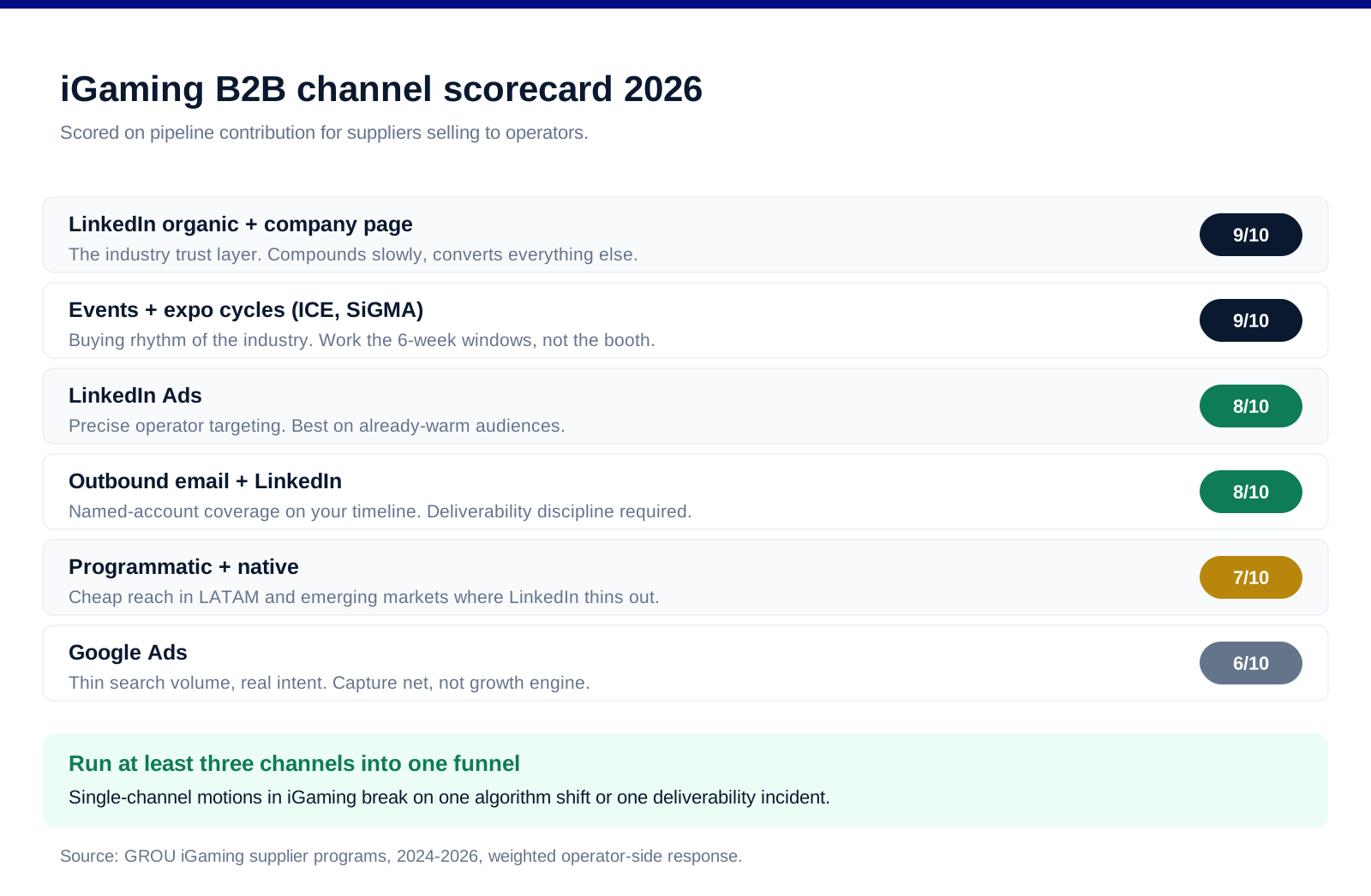
1. LinkedIn organic + company page (9/10). The industry's default trust layer. Buyers vet suppliers by their page before meetings, and consistent posting compounds: the supplier programs we run grow audiences 2x to 10x in 12 months. Slow to start, impossible to fake, and the foundation every other channel leans on.
2. Industry events and expo cycles (9/10). ICE, SiGMA, and regional shows set the industry's buying rhythm. The play is not the booth, it is the 6-week outreach window before and after each show, which routinely doubles reply rates versus cold weeks.
3. LinkedIn Ads (8/10). Precise targeting on operator job titles and named accounts. Works best retargeting the audience your content and event traffic already built. Budget guidance in our LinkedIn Ads minimum budget breakdown.
4. Outbound email + LinkedIn outreach (8/10). The only channel that reaches named accounts on your timeline. In regulated B2B niches we see reply rates above general B2B averages when the list is tight, benchmarked in our cold email benchmarks. Deliverability discipline is non-negotiable.
5. Programmatic and native ads (7/10). RichAds-style native and display fill the top of funnel in LATAM and emerging markets where LinkedIn density drops. Cheap reach, needs tight landing pages to convert.
6. Google Ads (6/10). Search volume for supplier keywords is thin, but the intent is real. Works as a capture net for category terms, not as the growth engine.
What real programs produce
These are aggregates from supplier programs we run in the industry, anonymized: a sports betting technology provider, a casino hardware and software supplier, and a casino game studio. They show the two distinct engines, demand generation and brand building, and why you eventually want both.
Multichannel demand gen (enterprise sports betting tech): 800+ qualified leads, ~15 euro cost per lead, 80% SQL rate. LinkedIn, Google, Reddit, native ads, and intent data working one funnel across EMEA. The SQL rate is the number to copy: qualification logic in the campaign design, not after it.
LinkedIn brand engine (casino hardware supplier): 10x follower growth to 30,000+, 15,000 newsletter subscribers. Two years of consistent content turned the company page into an owned distribution channel that warms every sales conversation.
Studio credibility program (casino game studio): 10x follower growth, 1M+ impressions, 10.2% organic engagement in 12 months. For a sub-10-person studio, the page became the proof of legitimacy that operators checked before signing.
The pattern across all three: demand gen converts fastest when a brand layer already exists, and brand programs monetize through the demand and outbound layers. Sequencing them is the whole game.
The 90-day plan
Ninety days is enough to stand the system up and reach first pipeline. It is not enough to saturate a market, so plan the quarter as infrastructure, not as a campaign.
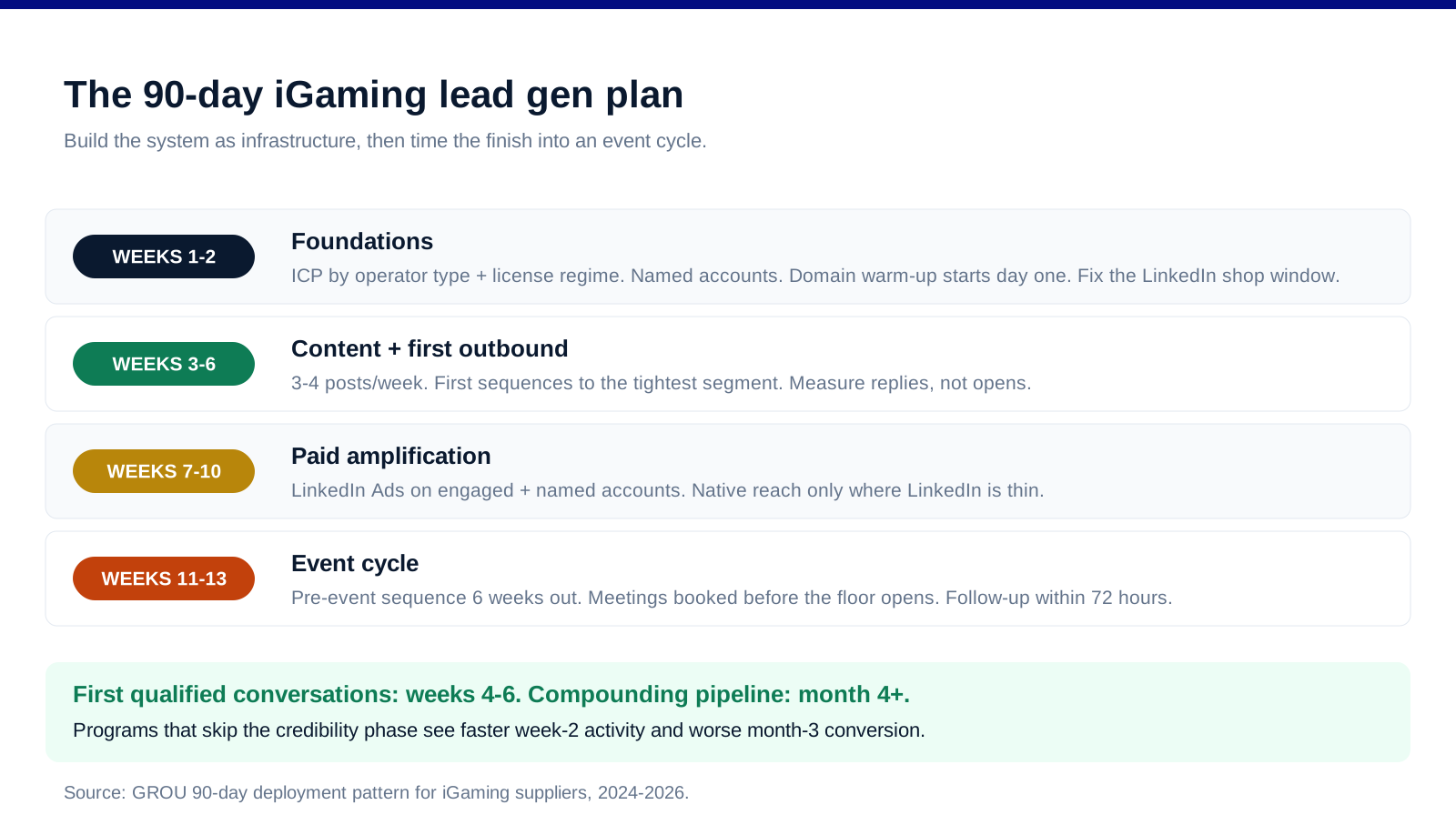
Weeks 1-2: foundations. Lock the ICP by operator type, market, and license status. Build the named-account list. Start email infrastructure warm-up on day one, using dedicated sending domains, so outbound can launch in week 4 instead of week 8. Fix the LinkedIn company page and the founder profiles.
Weeks 3-6: content + first outbound. Publish 3 to 4 LinkedIn posts a week: product proof, market takes, event presence. Launch the first outbound sequences to the tightest segment with tools like Instantly for email and HeyReach for LinkedIn. Measure replies, not opens.
Weeks 7-10: paid amplification. Turn on LinkedIn Ads against engaged audiences and named accounts. Add native or programmatic reach only in markets where LinkedIn is thin. Retarget event pages and content readers.
Weeks 11-13: event cycle. Pick the next major show and run the pre-event sequence 6 weeks out: outreach to the attendee universe, meeting booking, content that signals presence. Post-event, the follow-up sequence goes out within 72 hours while badge scans are warm.
The mistakes that stall iGaming pipeline
Mistake 1: outbound before credibility. Cold messages from a supplier with a dead LinkedIn page get vetted and ignored. The page is checked within minutes of a good first touch. Fix the shop window first.
Mistake 2: ignoring market regulation tiers. A list mixing regulated, grey, and unregulated markets produces compliance-mismatched conversations and wasted meetings. Segment by license regime from day one; regulator data like the UK Gambling Commission's industry statistics shows how differently each market behaves.
Mistake 3: treating events as four days instead of twelve weeks. The show floor is where deals close, but the pipeline is built in the outreach windows around it. No pre-event sequence means paying expo prices for cold introductions.
Mistake 4: single-channel dependence. LinkedIn algorithm shifts, ad cost spikes, or one deliverability incident can zero a single-channel motion overnight. The programs that compound run at least three channels into one funnel.
FAQ
What is the best lead generation channel for iGaming B2B suppliers?
LinkedIn, combined with the event calendar. LinkedIn carries credibility and targeting, events carry conversion. The strongest programs run LinkedIn content plus ads plus outbound synchronized to the ICE and SiGMA cycle rather than betting on any single channel.
How much does iGaming lead generation cost?
Benchmark against roughly 15 euro cost per lead for a well-run multichannel demand gen program at enterprise scale, with 80% of leads qualifying as SQLs. Early-stage programs pay more per lead until the brand layer warms the audience, typically for the first quarter.
Does cold email work in the iGaming industry?
Yes, with discipline. Tight operator segmentation, warmed dedicated domains, and event-cycle timing produce reply rates above general B2B averages. Spray campaigns fail faster here than in most verticals because the industry is small and reputation travels.
How long does it take to see pipeline?
First qualified conversations in 4 to 6 weeks, real pipeline around the first event cycle you work, compounding results from month 4 onward. Programs that skip the credibility phase see faster week-2 activity and worse month-3 conversion.
Do we need to attend ICE or SiGMA to generate leads?
You need to work the cycles even if you skip the booth. The attendee universe is public enough to target, and pre-event plus post-event outreach windows deliver the industry's highest reply rates. A booth without an outreach program is the most expensive way to collect badge scans.
How is lead generation different in regulated vs emerging markets?
Regulated markets (UK, EU licensed) buy slower, vet harder, and respond to compliance-literate messaging. Emerging and LATAM markets respond to reach channels like native ads and move faster. Segment campaigns by license regime and never run one message across both.
Bottom line
iGaming rewards suppliers who build the system in the right order: credibility on LinkedIn first, demand capture second, outbound for named accounts third, and the event calendar as the multiplier over everything. The numbers real programs produce, 800+ leads at 15 euro CPL, 80% SQL rates, 10x audience growth, come from that sequencing, not from any single channel's budget. Start the 90-day plan in a quiet month and time the finish into an event cycle.
Want the system built and run for you? Book a call with GROU. We run lead generation, LinkedIn, and outbound programs for iGaming suppliers selling into operators across EMEA and LATAM.
We are GROU, a B2B pipeline agency that runs lead generation, outbound, and LinkedIn content for clients across manufacturing, fintech, iGaming, software, and professional services. The program numbers in this playbook are drawn from our iGaming supplier deployments between 2024 and 2026, anonymized to protect client confidentiality.
Some links in this article are affiliate. We may earn a small commission at no extra cost to you. We only recommend tools we've deployed for clients.
Selling into iGaming means selling to operators, platforms, and aggregators in a market that Grand View Research values at $97.7 billion for 2026, growing 11% a year. The buyers are reachable, but not through generic B2B playbooks: this industry runs on LinkedIn credibility, event cycles, and supplier reputation. This playbook covers the channels that work, the numbers real programs produce, and a 90-day plan to build pipeline.
Written for suppliers: game studios, platform providers, data companies, payments, and compliance vendors selling B2B into the industry..
TL;DR
iGaming B2B pipeline in 2026 comes from a multichannel system, not a single channel: LinkedIn content for credibility, LinkedIn and programmatic ads for reach, outbound for named-account coverage, and the event calendar for conversion. Real supplier programs we run produce numbers like 800+ qualified leads at roughly 15 euro cost per lead with an 80% SQL rate on the demand gen side, and 10x LinkedIn audience growth with 1M+ impressions on the brand side. The order matters: credibility first, demand capture second, outbound third, events as the multiplier. Expect a 90-day ramp before pipeline compounds.
For the content side of this motion, see our iGaming content marketing guide. For channel costs, see LinkedIn Ads CPC benchmarks.
The channel scorecard for iGaming suppliers
The industry concentrates in a few rooms, online and offline. Operators and platform buyers live on LinkedIn, meet at ICE and SiGMA, and check a supplier's visible reputation before replying to anything. That concentration is why channel choice matters more here than in most B2B verticals.
1. LinkedIn organic + company page (9/10). The industry's default trust layer. Buyers vet suppliers by their page before meetings, and consistent posting compounds: the supplier programs we run grow audiences 2x to 10x in 12 months. Slow to start, impossible to fake, and the foundation every other channel leans on.
2. Industry events and expo cycles (9/10). ICE, SiGMA, and regional shows set the industry's buying rhythm. The play is not the booth, it is the 6-week outreach window before and after each show, which routinely doubles reply rates versus cold weeks.
3. LinkedIn Ads (8/10). Precise targeting on operator job titles and named accounts. Works best retargeting the audience your content and event traffic already built. Budget guidance in our LinkedIn Ads minimum budget breakdown.
4. Outbound email + LinkedIn outreach (8/10). The only channel that reaches named accounts on your timeline. In regulated B2B niches we see reply rates above general B2B averages when the list is tight, benchmarked in our cold email benchmarks. Deliverability discipline is non-negotiable.
5. Programmatic and native ads (7/10). RichAds-style native and display fill the top of funnel in LATAM and emerging markets where LinkedIn density drops. Cheap reach, needs tight landing pages to convert.
6. Google Ads (6/10). Search volume for supplier keywords is thin, but the intent is real. Works as a capture net for category terms, not as the growth engine.
What real programs produce
These are aggregates from supplier programs we run in the industry, anonymized: a sports betting technology provider, a casino hardware and software supplier, and a casino game studio. They show the two distinct engines, demand generation and brand building, and why you eventually want both.
Multichannel demand gen (enterprise sports betting tech): 800+ qualified leads, ~15 euro cost per lead, 80% SQL rate. LinkedIn, Google, Reddit, native ads, and intent data working one funnel across EMEA. The SQL rate is the number to copy: qualification logic in the campaign design, not after it.
LinkedIn brand engine (casino hardware supplier): 10x follower growth to 30,000+, 15,000 newsletter subscribers. Two years of consistent content turned the company page into an owned distribution channel that warms every sales conversation.
Studio credibility program (casino game studio): 10x follower growth, 1M+ impressions, 10.2% organic engagement in 12 months. For a sub-10-person studio, the page became the proof of legitimacy that operators checked before signing.
The pattern across all three: demand gen converts fastest when a brand layer already exists, and brand programs monetize through the demand and outbound layers. Sequencing them is the whole game.
The 90-day plan
Ninety days is enough to stand the system up and reach first pipeline. It is not enough to saturate a market, so plan the quarter as infrastructure, not as a campaign.
Weeks 1-2: foundations. Lock the ICP by operator type, market, and license status. Build the named-account list. Start email infrastructure warm-up on day one, using dedicated sending domains, so outbound can launch in week 4 instead of week 8. Fix the LinkedIn company page and the founder profiles.
Weeks 3-6: content + first outbound. Publish 3 to 4 LinkedIn posts a week: product proof, market takes, event presence. Launch the first outbound sequences to the tightest segment with tools like Instantly for email and HeyReach for LinkedIn. Measure replies, not opens.
Weeks 7-10: paid amplification. Turn on LinkedIn Ads against engaged audiences and named accounts. Add native or programmatic reach only in markets where LinkedIn is thin. Retarget event pages and content readers.
Weeks 11-13: event cycle. Pick the next major show and run the pre-event sequence 6 weeks out: outreach to the attendee universe, meeting booking, content that signals presence. Post-event, the follow-up sequence goes out within 72 hours while badge scans are warm.
The mistakes that stall iGaming pipeline
Mistake 1: outbound before credibility. Cold messages from a supplier with a dead LinkedIn page get vetted and ignored. The page is checked within minutes of a good first touch. Fix the shop window first.
Mistake 2: ignoring market regulation tiers. A list mixing regulated, grey, and unregulated markets produces compliance-mismatched conversations and wasted meetings. Segment by license regime from day one; regulator data like the UK Gambling Commission's industry statistics shows how differently each market behaves.
Mistake 3: treating events as four days instead of twelve weeks. The show floor is where deals close, but the pipeline is built in the outreach windows around it. No pre-event sequence means paying expo prices for cold introductions.
Mistake 4: single-channel dependence. LinkedIn algorithm shifts, ad cost spikes, or one deliverability incident can zero a single-channel motion overnight. The programs that compound run at least three channels into one funnel.
FAQ
What is the best lead generation channel for iGaming B2B suppliers?
LinkedIn, combined with the event calendar. LinkedIn carries credibility and targeting, events carry conversion. The strongest programs run LinkedIn content plus ads plus outbound synchronized to the ICE and SiGMA cycle rather than betting on any single channel.
How much does iGaming lead generation cost?
Benchmark against roughly 15 euro cost per lead for a well-run multichannel demand gen program at enterprise scale, with 80% of leads qualifying as SQLs. Early-stage programs pay more per lead until the brand layer warms the audience, typically for the first quarter.
Does cold email work in the iGaming industry?
Yes, with discipline. Tight operator segmentation, warmed dedicated domains, and event-cycle timing produce reply rates above general B2B averages. Spray campaigns fail faster here than in most verticals because the industry is small and reputation travels.
How long does it take to see pipeline?
First qualified conversations in 4 to 6 weeks, real pipeline around the first event cycle you work, compounding results from month 4 onward. Programs that skip the credibility phase see faster week-2 activity and worse month-3 conversion.
Do we need to attend ICE or SiGMA to generate leads?
You need to work the cycles even if you skip the booth. The attendee universe is public enough to target, and pre-event plus post-event outreach windows deliver the industry's highest reply rates. A booth without an outreach program is the most expensive way to collect badge scans.
How is lead generation different in regulated vs emerging markets?
Regulated markets (UK, EU licensed) buy slower, vet harder, and respond to compliance-literate messaging. Emerging and LATAM markets respond to reach channels like native ads and move faster. Segment campaigns by license regime and never run one message across both.
Bottom line
iGaming rewards suppliers who build the system in the right order: credibility on LinkedIn first, demand capture second, outbound for named accounts third, and the event calendar as the multiplier over everything. The numbers real programs produce, 800+ leads at 15 euro CPL, 80% SQL rates, 10x audience growth, come from that sequencing, not from any single channel's budget. Start the 90-day plan in a quiet month and time the finish into an event cycle.
Want the system built and run for you? Book a call with GROU. We run lead generation, LinkedIn, and outbound programs for iGaming suppliers selling into operators across EMEA and LATAM.
We are GROU, a B2B pipeline agency that runs lead generation, outbound, and LinkedIn content for clients across manufacturing, fintech, iGaming, software, and professional services. The program numbers in this playbook are drawn from our iGaming supplier deployments between 2024 and 2026, anonymized to protect client confidentiality.
Some links in this article are affiliate. We may earn a small commission at no extra cost to you. We only recommend tools we've deployed for clients.
Selling into iGaming means selling to operators, platforms, and aggregators in a market that Grand View Research values at $97.7 billion for 2026, growing 11% a year. The buyers are reachable, but not through generic B2B playbooks: this industry runs on LinkedIn credibility, event cycles, and supplier reputation. This playbook covers the channels that work, the numbers real programs produce, and a 90-day plan to build pipeline.
Written for suppliers: game studios, platform providers, data companies, payments, and compliance vendors selling B2B into the industry..
TL;DR
iGaming B2B pipeline in 2026 comes from a multichannel system, not a single channel: LinkedIn content for credibility, LinkedIn and programmatic ads for reach, outbound for named-account coverage, and the event calendar for conversion. Real supplier programs we run produce numbers like 800+ qualified leads at roughly 15 euro cost per lead with an 80% SQL rate on the demand gen side, and 10x LinkedIn audience growth with 1M+ impressions on the brand side. The order matters: credibility first, demand capture second, outbound third, events as the multiplier. Expect a 90-day ramp before pipeline compounds.
For the content side of this motion, see our iGaming content marketing guide. For channel costs, see LinkedIn Ads CPC benchmarks.
The channel scorecard for iGaming suppliers
The industry concentrates in a few rooms, online and offline. Operators and platform buyers live on LinkedIn, meet at ICE and SiGMA, and check a supplier's visible reputation before replying to anything. That concentration is why channel choice matters more here than in most B2B verticals.
1. LinkedIn organic + company page (9/10). The industry's default trust layer. Buyers vet suppliers by their page before meetings, and consistent posting compounds: the supplier programs we run grow audiences 2x to 10x in 12 months. Slow to start, impossible to fake, and the foundation every other channel leans on.
2. Industry events and expo cycles (9/10). ICE, SiGMA, and regional shows set the industry's buying rhythm. The play is not the booth, it is the 6-week outreach window before and after each show, which routinely doubles reply rates versus cold weeks.
3. LinkedIn Ads (8/10). Precise targeting on operator job titles and named accounts. Works best retargeting the audience your content and event traffic already built. Budget guidance in our LinkedIn Ads minimum budget breakdown.
4. Outbound email + LinkedIn outreach (8/10). The only channel that reaches named accounts on your timeline. In regulated B2B niches we see reply rates above general B2B averages when the list is tight, benchmarked in our cold email benchmarks. Deliverability discipline is non-negotiable.
5. Programmatic and native ads (7/10). RichAds-style native and display fill the top of funnel in LATAM and emerging markets where LinkedIn density drops. Cheap reach, needs tight landing pages to convert.
6. Google Ads (6/10). Search volume for supplier keywords is thin, but the intent is real. Works as a capture net for category terms, not as the growth engine.
What real programs produce
These are aggregates from supplier programs we run in the industry, anonymized: a sports betting technology provider, a casino hardware and software supplier, and a casino game studio. They show the two distinct engines, demand generation and brand building, and why you eventually want both.
Multichannel demand gen (enterprise sports betting tech): 800+ qualified leads, ~15 euro cost per lead, 80% SQL rate. LinkedIn, Google, Reddit, native ads, and intent data working one funnel across EMEA. The SQL rate is the number to copy: qualification logic in the campaign design, not after it.
LinkedIn brand engine (casino hardware supplier): 10x follower growth to 30,000+, 15,000 newsletter subscribers. Two years of consistent content turned the company page into an owned distribution channel that warms every sales conversation.
Studio credibility program (casino game studio): 10x follower growth, 1M+ impressions, 10.2% organic engagement in 12 months. For a sub-10-person studio, the page became the proof of legitimacy that operators checked before signing.
The pattern across all three: demand gen converts fastest when a brand layer already exists, and brand programs monetize through the demand and outbound layers. Sequencing them is the whole game.
The 90-day plan
Ninety days is enough to stand the system up and reach first pipeline. It is not enough to saturate a market, so plan the quarter as infrastructure, not as a campaign.
Weeks 1-2: foundations. Lock the ICP by operator type, market, and license status. Build the named-account list. Start email infrastructure warm-up on day one, using dedicated sending domains, so outbound can launch in week 4 instead of week 8. Fix the LinkedIn company page and the founder profiles.
Weeks 3-6: content + first outbound. Publish 3 to 4 LinkedIn posts a week: product proof, market takes, event presence. Launch the first outbound sequences to the tightest segment with tools like Instantly for email and HeyReach for LinkedIn. Measure replies, not opens.
Weeks 7-10: paid amplification. Turn on LinkedIn Ads against engaged audiences and named accounts. Add native or programmatic reach only in markets where LinkedIn is thin. Retarget event pages and content readers.
Weeks 11-13: event cycle. Pick the next major show and run the pre-event sequence 6 weeks out: outreach to the attendee universe, meeting booking, content that signals presence. Post-event, the follow-up sequence goes out within 72 hours while badge scans are warm.
The mistakes that stall iGaming pipeline
Mistake 1: outbound before credibility. Cold messages from a supplier with a dead LinkedIn page get vetted and ignored. The page is checked within minutes of a good first touch. Fix the shop window first.
Mistake 2: ignoring market regulation tiers. A list mixing regulated, grey, and unregulated markets produces compliance-mismatched conversations and wasted meetings. Segment by license regime from day one; regulator data like the UK Gambling Commission's industry statistics shows how differently each market behaves.
Mistake 3: treating events as four days instead of twelve weeks. The show floor is where deals close, but the pipeline is built in the outreach windows around it. No pre-event sequence means paying expo prices for cold introductions.
Mistake 4: single-channel dependence. LinkedIn algorithm shifts, ad cost spikes, or one deliverability incident can zero a single-channel motion overnight. The programs that compound run at least three channels into one funnel.
FAQ
What is the best lead generation channel for iGaming B2B suppliers?
LinkedIn, combined with the event calendar. LinkedIn carries credibility and targeting, events carry conversion. The strongest programs run LinkedIn content plus ads plus outbound synchronized to the ICE and SiGMA cycle rather than betting on any single channel.
How much does iGaming lead generation cost?
Benchmark against roughly 15 euro cost per lead for a well-run multichannel demand gen program at enterprise scale, with 80% of leads qualifying as SQLs. Early-stage programs pay more per lead until the brand layer warms the audience, typically for the first quarter.
Does cold email work in the iGaming industry?
Yes, with discipline. Tight operator segmentation, warmed dedicated domains, and event-cycle timing produce reply rates above general B2B averages. Spray campaigns fail faster here than in most verticals because the industry is small and reputation travels.
How long does it take to see pipeline?
First qualified conversations in 4 to 6 weeks, real pipeline around the first event cycle you work, compounding results from month 4 onward. Programs that skip the credibility phase see faster week-2 activity and worse month-3 conversion.
Do we need to attend ICE or SiGMA to generate leads?
You need to work the cycles even if you skip the booth. The attendee universe is public enough to target, and pre-event plus post-event outreach windows deliver the industry's highest reply rates. A booth without an outreach program is the most expensive way to collect badge scans.
How is lead generation different in regulated vs emerging markets?
Regulated markets (UK, EU licensed) buy slower, vet harder, and respond to compliance-literate messaging. Emerging and LATAM markets respond to reach channels like native ads and move faster. Segment campaigns by license regime and never run one message across both.
Bottom line
iGaming rewards suppliers who build the system in the right order: credibility on LinkedIn first, demand capture second, outbound for named accounts third, and the event calendar as the multiplier over everything. The numbers real programs produce, 800+ leads at 15 euro CPL, 80% SQL rates, 10x audience growth, come from that sequencing, not from any single channel's budget. Start the 90-day plan in a quiet month and time the finish into an event cycle.
Want the system built and run for you? Book a call with GROU. We run lead generation, LinkedIn, and outbound programs for iGaming suppliers selling into operators across EMEA and LATAM.
We are GROU, a B2B pipeline agency that runs lead generation, outbound, and LinkedIn content for clients across manufacturing, fintech, iGaming, software, and professional services. The program numbers in this playbook are drawn from our iGaming supplier deployments between 2024 and 2026, anonymized to protect client confidentiality.
Some links in this article are affiliate. We may earn a small commission at no extra cost to you. We only recommend tools we've deployed for clients.
Pipeline OS Newsletter
Build qualified pipeline
Get weekly tactics to generate demand, improve lead quality, and book more meetings.



Trusted by industry leaders
Trusted by industry leaders
Trusted by industry leaders
Ready to build qualified pipeline?
Ready to build qualified pipeline?
Ready to build qualified pipeline?
Book a call to see if we're the right fit, or take the 2-minute quiz to get a clear starting point.
Book a call to see if we're the right fit, or take the 2-minute quiz to get a clear starting point.
Book a call to see if we're the right fit, or take the 2-minute quiz to get a clear starting point.
" height="30.21639343089746px" id="hfGbXmQR2" width="30.216393430897455px"/></svg>)
Copyright © 2026 – All Right Reserved
Copyright © 2026 – All Right Reserved
Copyright © 2026 – All Right Reserved