%22%3E%3C/path%3E%3Cpath d=%22M 63.072 7.554 C 62.258 8.022 61.577 8.689 61.092 9.493 L 61.092 7.076 L 57.158 7.076 L 57.158 22.64 L 61.089 22.64 L 61.089 14.888 C 61.089 13.446 61.403 12.434 62.03 11.853 C 62.818 11.218 63.818 10.907 64.826 10.982 L 65.868 10.982 L 65.868 6.851 C 64.891 6.834 63.926 7.076 63.073 7.554 Z%22 fill=%22rgb(17,17,17)%22%3E%3C/path%3E%3Cpath d=%22M 78.916 7.82 C 76.363 6.49 73.321 6.49 70.768 7.82 C 69.562 8.473 68.564 9.451 67.888 10.644 C 67.167 11.931 66.803 13.387 66.834 14.862 C 66.804 16.332 67.157 17.785 67.86 19.077 C 68.515 20.267 69.494 21.246 70.684 21.901 C 71.924 22.576 73.318 22.92 74.73 22.898 C 76.164 22.918 77.58 22.575 78.846 21.901 C 80.062 21.247 81.073 20.27 81.768 19.077 C 82.506 17.797 82.88 16.339 82.85 14.862 C 82.88 13.389 82.517 11.934 81.797 10.647 C 81.12 9.455 80.122 8.477 78.917 7.824 M 78.803 14.862 C 78.829 15.739 78.636 16.608 78.241 17.391 C 77.903 18.046 77.38 18.588 76.738 18.95 C 76.124 19.293 75.432 19.472 74.729 19.47 C 73.668 19.497 72.648 19.061 71.934 18.276 C 71.139 17.323 70.741 16.1 70.823 14.862 C 70.741 13.62 71.149 12.395 71.959 11.45 C 72.687 10.667 73.715 10.233 74.783 10.256 C 75.859 10.236 76.894 10.67 77.635 11.45 C 78.464 12.387 78.884 13.616 78.801 14.864%22 fill=%22rgb(17,17,17)%22%3E%3C/path%3E%3Cpath d=%22M 95.906 7.076 L 95.906 15.646 C 95.975 16.68 95.643 17.701 94.979 18.498 C 94.311 19.184 93.379 19.547 92.422 19.495 C 91.475 19.544 90.553 19.18 89.894 18.498 C 89.23 17.701 88.898 16.68 88.967 15.646 L 88.967 7.076 L 85.033 7.076 L 85.033 16.207 C 85 17.449 85.275 18.68 85.834 19.79 C 86.327 20.75 87.095 21.542 88.039 22.065 C 89.033 22.594 90.145 22.861 91.271 22.838 C 92.188 22.847 93.095 22.65 93.926 22.263 C 94.708 21.905 95.388 21.36 95.906 20.675 L 95.906 22.645 L 99.865 22.645 L 99.865 7.076 Z%22 fill=%22rgb(17,17,17)%22%3E%3C/path%3E%3Cpath d=%22M 4.513 15.626 C 4.511 10.815 7.606 6.549 12.181 5.059 C 16.756 3.57 21.77 5.195 24.601 9.086 L 27.816 5.87 C 24.074 1.186 17.981 -0.943 12.137 0.393 C 6.292 1.728 1.728 6.292 0.393 12.137 C -0.943 17.981 1.186 24.074 5.87 27.816 L 9.085 24.601 C 6.214 22.512 4.515 19.177 4.513 15.626%22 fill=%22rgb(32,62,235)%22%3E%3C/path%3E%3Cpath d=%22M 17.114 14.343 L 13.354 18.01 L 13.354 18.026 L 21.071 18.026 L 11.412 27.609 L 17.389 27.609 L 23.999 21.081 L 23.999 28.316 L 24.005 28.316 L 27.967 24.393 L 27.967 14.343 Z%22 fill=%22rgb(32,62,235)%22%3E%3C/path%3E%3C/g%3E%3C/svg%3E) ×
× ××
××›
›
›
›
10 demand generation examples for B2B teams in 2026
10 demand generation examples for B2B teams in 2026
10 demand generation examples for B2B teams in 2026
10 demand generation examples for B2B teams in 2026
10 demand generation examples for B2B teams in 2026
10 demand generation examples for B2B teams in 2026

Author
Aljaz Peklaj

Your campaigns are getting replies and clicks, yet the meetings calendar stays thin. That usually means the wrong metric is getting promoted, or the interested reply is sitting untouched for too long. These demand generation examples show the channel mix, messaging, KPIs, and qualification rules behind programs that produced pipeline.
Score campaigns on interested conversations, not acceptance rates.
Run one message house across every channel.
Route interested replies to a named owner the same day.
Set attribution rules before launch, not after the deal closes.
Get to the list quickly. Browse agency ad toolkit.
Table of Contents
4. Live business breakfasts filled through LinkedIn and email
Measure interested replies before the next campaign launches
1. Isotrack's four-channel funnel
Isotrack needed stronger B2B lead generation and better paid performance across Europe, the USA, and Japan. Grou built one funnel across Google Ads, LinkedIn Ads, landing pages, and outreach. The result was 150K+ clicks, 30 qualified leads, and a closed deal worth more than $20 million.

The system matters more than the headline number. A lot of teams would have called this campaign a click machine and stopped there. That's the wrong read.
Practical rule: score the lead by deal potential, not by form fill volume.
The operational fix is simple. Tag every touchpoint with consistent UTMs, then keep the source chain intact through sales follow-up and CRM updates. If a deal closes, you should still be able to trace it back to the first click. For the channel setup behind that kind of structure, see Grou's channel strategy.
2. LinkedIn connection requests without a pitch
Grou runs its own LinkedIn outreach the way it runs client programs, one tight target list, connection requests with no pitch, and a conversation once a prospect accepts. From July to September, 856 prospects received requests, 217 accepted, 69 replied, and 17 were tagged interested.
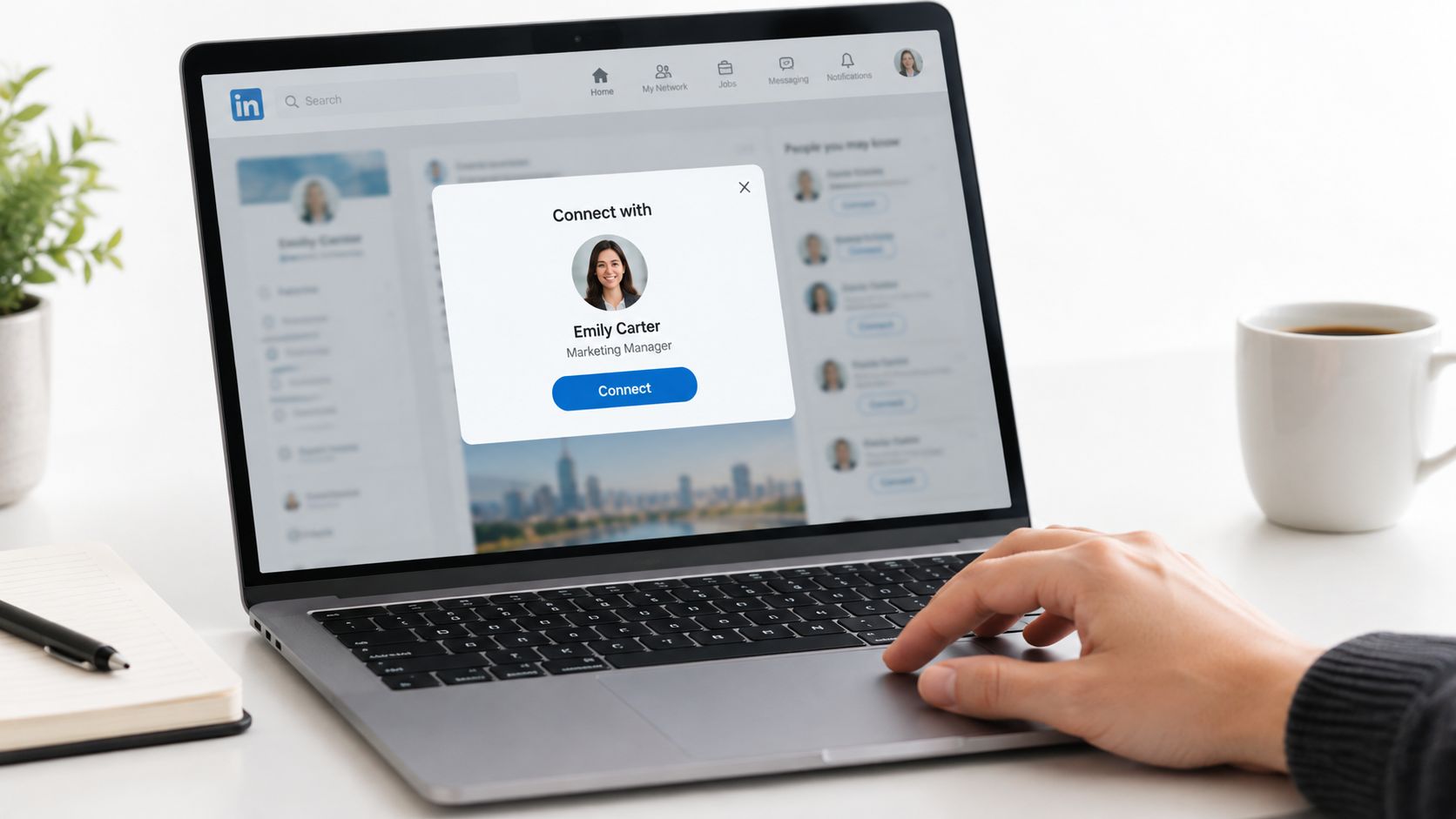
The acceptance rate looks tidy. It's also easy to overvalue. Acceptance is a weak scorecard if the goal is a sales conversation.
Judge the campaign on interested replies divided by requests sent. In this run, 17 of 856 is about 2.0%.
Build the list in Sales Navigator and sequence the conversation in HeyReach, then route interested replies to a named owner the same day. If you want the message format that supports this motion, Grou's LinkedIn connection message guide is the right internal reference point. The system only works when response time stays short and the handoff is clear.
3. EMEA program with Reddit in the mix
Sportradar ran LinkedIn, Google, RichAds, 6sense, and Reddit together across EMEA. The combined program produced 800+ qualified leads at €15 per lead, and 80% of them qualified as SQLs. Reddit was the channel most B2B teams would skip, and it mattered inside that mix.
The lesson is not that Reddit is magical. The lesson is that one non-obvious channel can expand reach when the rest of the stack is already disciplined. If every other channel is doing the heavy lifting, the weird one only has to create a few extra valid paths.
Operating rule: test one non-obvious channel per quarter against a fixed cost ceiling.
Report cost per SQL by channel every week so weak placements get cut early. That means keeping the dashboard simple and unforgiving. If a placement creates volume but not SQL movement, it's noise.
For a deeper look at that channel choice, Grou's Reddit ads note is worth keeping nearby. And if you want a different view on emerging ad tooling, Yelly Nelly's piece on AI agents makes a useful contrast. The point is to keep the channel mix accountable, not trendy.
4. Live business breakfasts filled through LinkedIn and email
For EY's forensic services, Grou used targeted LinkedIn and email invitations to fill a series of live business breakfasts. Four events generated 104 warm leads, a 24.5% reply rate, and a 62.3% LinkedIn acceptance rate. The invite had a light ask, so buyers could say yes without committing to a demo or download.

The system works when the invitation is specific and the follow-up is tight. The invite opens the door. Qualification happens in the attendee list, then in the notes your team captures after the room fills.
Send the first invitation at least three weeks before the event. Follow with a reminder 48 hours before start time so prospects can clear calendars without losing intent. Keep the post-event handoff strict. Route each attendee to a named account owner within one business day.
A short email sequence can support the LinkedIn outreach, especially for no-shows and late responders. The room is only the setting, the next conversation is the deliverable.
5. Trade-show-timed outreach for manufacturers
Manufacturers are often grouped by industry and company size. Grou goes one layer deeper, checks which shows a company exhibits at or attends, then times outreach around that event. The opening question is about their show, because that is where trade-show return usually gets lost.
Plastit's campaign reached a 16.0% reply rate versus a 7.9% average across five campaigns. The 8.1-point gap came from timing alone; the pitch stayed the same. The buyer already had an event calendar in mind.
The strongest version of this system is narrow. Build exhibitor lists 8 to 10 weeks before the show, then start outreach 3 to 4 weeks before opening day. Keep the first line tied to a show-specific problem, such as post-show follow-up, and save the offer for email two.
Show timing creates urgency because the buyer is already planning meetings, demos, and follow-up. Your sequence just needs to catch that moment.
For the manufacturer-specific workflow, Grou's trade-show follow-up guide lays out the sequence. The structure is what makes this work, not the event itself.
6. Trade-show sequencing with always-on campaigns
Precision Resource combined trade-show sequencing with always-on campaigns across six European markets. The program produced 300+ conversations and a 20.2% top campaign reply rate. Show timing gives urgency, while always-on sequences reach accounts that never appear on a show calendar.
The mistake teams make is treating those motions as separate worlds. They shouldn't be separate. They should share one message house and only change the opening line and the timing.
That means comparing reply rates inside each market before pooling the results. Response norms differ by country, and pooled data can hide where the message is landing. One market may need a softer opener, another may need proof earlier in the sequence.
Use one CRM view for both motions, then tag the source of every conversation by market and trigger. You'll see quickly whether trade-show timing or background outbound is pulling more weight. That's the part most managers skip, and it's usually the part that changes next quarter's routing.
7. Monthly newsletter as an always-warm audience
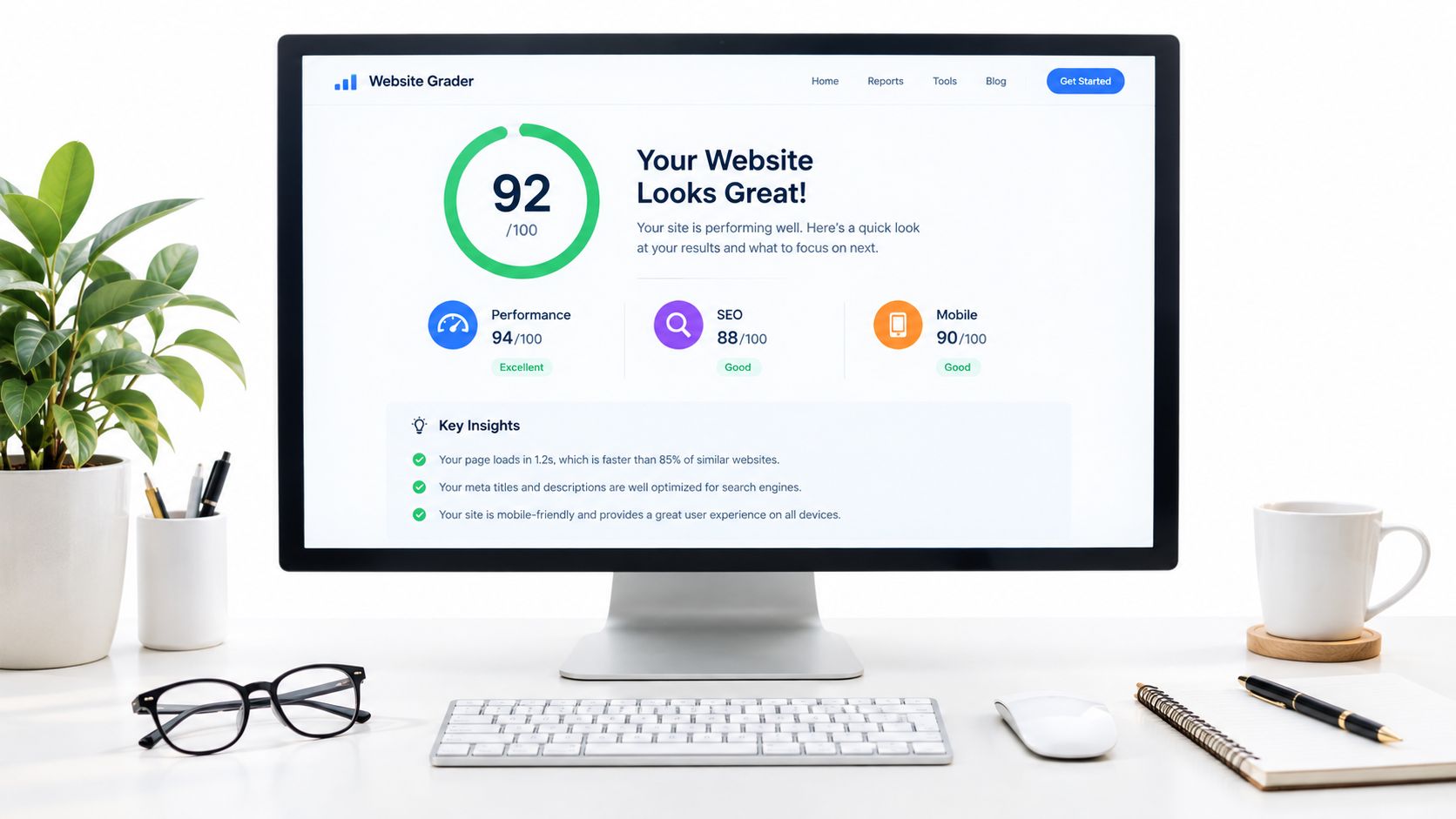
Fazi's monthly newsletter grew to 15,000 subscribers. That gave every commercial campaign a list that already knew the brand, which changes how hard each send has to work.
A newsletter is a demand base. It lowers friction on later outreach, paid campaigns, and event invites because the name is already familiar in the inbox.
Keep the send day fixed each month and hold the time steady. Readers build a habit faster when the pattern stays predictable. Tag subscribers by segment at sign-up so later campaigns can pull the right audience without extra list work.
For the audience-building side, Grou's B2B newsletter growth note fits the job. It is the background layer that makes later demand generation easier.
8. Case studies in the third email of a sequence
Case studies rarely capture leads on their own. Grou uses them as proof inside outreach, usually in the third email of a sequence. By then the prospect has already engaged, so the case study works as evidence rather than as a fresh ask.
That placement matters. Early emails should create relevance. The third email can introduce proof once attention has already been earned. A case study dropped too early often reads like a deflection.
Keep the summary to three sentences inside the email. Match the story to the prospect's segment, not just the industry label. A CFO doesn't need the same proof point as an operations lead, and a technical buyer cares about different risks than procurement.
Run an A/B test with and without the case study in email three for two weeks before you judge the effect.
That's the closest thing to a clean rule here. If the proof point helps, you'll see better positive replies. If it doesn't, you've learned something without bloating the sequence.
9. Referral program with reciprocal storage rewards
Dropbox rewarded users with extra storage for each referral that signed up and installed the app, with rewards on both sides. Each existing user became a small acquisition channel. A figure often quoted in growth case studies is the company's 3,900% growth over 15 months, and that belongs in historical context, not as a benchmark to copy.
The part worth copying is the mechanics. The reward paid only after a completed activation step, not after a casual signup. That made the program harder to game and tied it to actual product use.
For B2B teams, the rule is simple. Tie the reward to installation, setup, or another completed action. Set a cap at launch, then review fraud patterns weekly so the incentive does not drift into spam.
Referral systems fail when they pay for attention instead of behavior. This one worked because the buyer had to complete setup before the reward paid out. The economics stayed linked to usage.
10. Free website grader as a diagnostic lead magnet
HubSpot's free Website Grader scored a visitor's site on performance, SEO, mobile readiness, and security, then delivered the report after an email form. That turned a quick diagnostic into a lead capture. The tool matched a buyer's immediate concern and gave sales a reason to follow up.
The appeal is obvious. Buyers want to know what's broken before they book a meeting. A diagnostic lowers the friction because it gives value before the sales conversation starts.
Make the report specific enough that a rep can open the first call with one finding from it. Score each lead by which category they failed, then route accounts with the same gap into the same sequence. The follow-up gets sharper, and the outreach stops feeling generic.
For a practical comparison, the grader works because it hands the buyer a verdict, not a brochure. If your own diagnostic can't do that, it's just a form with extra steps. For the broader marketing angle, theseoagent.ai is a useful adjacent reference point.
10 Demand Gen Examples Compared
Campaign / Tactic | Implementation Complexity 🔄 | Resource Requirements ⚡ | Expected Outcomes ⭐ / 📊 | Ideal Use Cases 💡 | Key Advantages |
|---|---|---|---|---|---|
Isotrack cross-channel funnel across four channels | High 🔄: coordinate Google, LinkedIn, landing pages & outreach | High ⚡: paid budget, landing pages, outreach team, CRM/UTM setup | Very high ⭐: 150K+ clicks → 30 qualified leads; one $20M+ closed deal 📊 | Enterprise account-based programs targeting multiple regions | Unified message across channels; drives high deal-value leads |
Connection requests without a pitch on LinkedIn | Low 🔄: single-channel, simple sequence | Low ⚡: Sales Navigator, human responders, sequencing tool | Moderate ⭐: 856 requests → 217 accepts (25.4%) → 69 replies → 17 interested 📊 | Early-stage list building and low-friction outreach | Respects inbox; gives clear, countable pipeline signals |
Multi-channel EMEA program with Reddit in the mix | High 🔄: five-channel coordination and regional alignment | Medium‑High ⚡: ad spend, analytics, weekly channel reporting | Strong ⭐: 800+ qualified leads at €15/lead; 80% SQL rate 📊 | Regional demand-gen where unconventional channels are testable | Low cost per qualified lead; high SQL conversion |
Live business breakfasts via LinkedIn & email (EY) | Medium 🔄: event logistics plus invite sequencing | High ⚡: venue, catering, staff time, targeted outreach | Good ⭐: 4 events → 104 warm leads; 24.5% reply; 62.3% LinkedIn acceptance 📊 | Professional services needing face-to-face trust-building | Shortens path to conversation; higher acceptance than gated content |
Trade-show-timed outreach for manufacturers | Medium 🔄: timing-critical sequences tied to show calendars | Medium ⚡: research, exhibitor lists, timed sequences | Effective ⭐: e.g., 16.0% reply vs 7.9% campaign average 📊 | Manufacturers attending or exhibiting at trade shows | Creates urgency and context; boosts reply rates when timed well |
Trade-show sequencing + always-on in six markets | High 🔄: parallel motions across markets with local variations | High ⚡: multi-market teams, copy variants, compliance reviews | Scalable ⭐: 300+ conversations; 20.2% top reply rate 📊 | Regional programs needing continuous coverage plus event spikes | Combines urgency with continuous reach; large sample for message testing |
Monthly newsletter as an always-warm audience (Fazi) | Medium 🔄: steady cadence and content planning | Medium ⚡: content team, list management, segmentation | Long-term ⭐: 15,000 subscribers → warmer audience for campaigns 📊 | Brands aiming to build owned audiences and nurture over time | Reduces paid dependence; shortens future outreach friction |
Case study placed in third email of a sequence | Low 🔄: simple content placement and A/B test | Low ⚡: existing asset + sequence management | Lift ⭐: increases positive replies when matched to segment 📊 | Outbound sequences where social proof helps mid-funnel | Easy to test; provides proof without hard ask |
Referral program with reciprocal storage rewards (Dropbox) | Medium 🔄: product integration and fraud controls | Low‑Medium ⚡: product dev, reward tracking, cap management | Viral potential ⭐: cited massive growth (e.g., 3,900%) driven by users 📊 | Products with natural sharing moments and easy activation | Low acquisition cost per user; scales with user base |
Free website grader as a diagnostic lead magnet (HubSpot) | Medium 🔄: scoring engine + gated report workflow | Medium ⚡: engineering, content, email delivery | Qualified intent ⭐: captures problem-aware prospects; sales hooks 📊 | SaaS/marketing tools diagnosing customer problems | Attracts intent-aligned leads; gives actionable sales entry points |
Measure interested replies before the next campaign launches
Start with your last campaign's interested replies. Divide them by requests sent, then write that rate and the named owner who handles replies into your CRM by Monday.
Grou has helped more than 50 companies across iGaming, SaaS, manufacturing, and professional services build pipeline from one connected system. Every figure here is reported as recorded, and where a number is widely cited rather than audited, we say so.
If you want a demand generation system that connects target lists, content, outbound, and reply routing, Grou builds that structure for B2B teams that care about pipeline, not vanity metrics. Visit Grou and use this list to audit your current campaign, then run the next sequence with one owner, one message, and one reporting line.
Your campaigns are getting replies and clicks, yet the meetings calendar stays thin. That usually means the wrong metric is getting promoted, or the interested reply is sitting untouched for too long. These demand generation examples show the channel mix, messaging, KPIs, and qualification rules behind programs that produced pipeline.
Score campaigns on interested conversations, not acceptance rates.
Run one message house across every channel.
Route interested replies to a named owner the same day.
Set attribution rules before launch, not after the deal closes.
Get to the list quickly. Browse agency ad toolkit.
Table of Contents
4. Live business breakfasts filled through LinkedIn and email
Measure interested replies before the next campaign launches
1. Isotrack's four-channel funnel
Isotrack needed stronger B2B lead generation and better paid performance across Europe, the USA, and Japan. Grou built one funnel across Google Ads, LinkedIn Ads, landing pages, and outreach. The result was 150K+ clicks, 30 qualified leads, and a closed deal worth more than $20 million.
The system matters more than the headline number. A lot of teams would have called this campaign a click machine and stopped there. That's the wrong read.
Practical rule: score the lead by deal potential, not by form fill volume.
The operational fix is simple. Tag every touchpoint with consistent UTMs, then keep the source chain intact through sales follow-up and CRM updates. If a deal closes, you should still be able to trace it back to the first click. For the channel setup behind that kind of structure, see Grou's channel strategy.
2. LinkedIn connection requests without a pitch
Grou runs its own LinkedIn outreach the way it runs client programs, one tight target list, connection requests with no pitch, and a conversation once a prospect accepts. From July to September, 856 prospects received requests, 217 accepted, 69 replied, and 17 were tagged interested.
The acceptance rate looks tidy. It's also easy to overvalue. Acceptance is a weak scorecard if the goal is a sales conversation.
Judge the campaign on interested replies divided by requests sent. In this run, 17 of 856 is about 2.0%.
Build the list in Sales Navigator and sequence the conversation in HeyReach, then route interested replies to a named owner the same day. If you want the message format that supports this motion, Grou's LinkedIn connection message guide is the right internal reference point. The system only works when response time stays short and the handoff is clear.
3. EMEA program with Reddit in the mix
Sportradar ran LinkedIn, Google, RichAds, 6sense, and Reddit together across EMEA. The combined program produced 800+ qualified leads at €15 per lead, and 80% of them qualified as SQLs. Reddit was the channel most B2B teams would skip, and it mattered inside that mix.
The lesson is not that Reddit is magical. The lesson is that one non-obvious channel can expand reach when the rest of the stack is already disciplined. If every other channel is doing the heavy lifting, the weird one only has to create a few extra valid paths.
Operating rule: test one non-obvious channel per quarter against a fixed cost ceiling.
Report cost per SQL by channel every week so weak placements get cut early. That means keeping the dashboard simple and unforgiving. If a placement creates volume but not SQL movement, it's noise.
For a deeper look at that channel choice, Grou's Reddit ads note is worth keeping nearby. And if you want a different view on emerging ad tooling, Yelly Nelly's piece on AI agents makes a useful contrast. The point is to keep the channel mix accountable, not trendy.
4. Live business breakfasts filled through LinkedIn and email
For EY's forensic services, Grou used targeted LinkedIn and email invitations to fill a series of live business breakfasts. Four events generated 104 warm leads, a 24.5% reply rate, and a 62.3% LinkedIn acceptance rate. The invite had a light ask, so buyers could say yes without committing to a demo or download.
The system works when the invitation is specific and the follow-up is tight. The invite opens the door. Qualification happens in the attendee list, then in the notes your team captures after the room fills.
Send the first invitation at least three weeks before the event. Follow with a reminder 48 hours before start time so prospects can clear calendars without losing intent. Keep the post-event handoff strict. Route each attendee to a named account owner within one business day.
A short email sequence can support the LinkedIn outreach, especially for no-shows and late responders. The room is only the setting, the next conversation is the deliverable.
5. Trade-show-timed outreach for manufacturers
Manufacturers are often grouped by industry and company size. Grou goes one layer deeper, checks which shows a company exhibits at or attends, then times outreach around that event. The opening question is about their show, because that is where trade-show return usually gets lost.
Plastit's campaign reached a 16.0% reply rate versus a 7.9% average across five campaigns. The 8.1-point gap came from timing alone; the pitch stayed the same. The buyer already had an event calendar in mind.
The strongest version of this system is narrow. Build exhibitor lists 8 to 10 weeks before the show, then start outreach 3 to 4 weeks before opening day. Keep the first line tied to a show-specific problem, such as post-show follow-up, and save the offer for email two.
Show timing creates urgency because the buyer is already planning meetings, demos, and follow-up. Your sequence just needs to catch that moment.
For the manufacturer-specific workflow, Grou's trade-show follow-up guide lays out the sequence. The structure is what makes this work, not the event itself.
6. Trade-show sequencing with always-on campaigns
Precision Resource combined trade-show sequencing with always-on campaigns across six European markets. The program produced 300+ conversations and a 20.2% top campaign reply rate. Show timing gives urgency, while always-on sequences reach accounts that never appear on a show calendar.
The mistake teams make is treating those motions as separate worlds. They shouldn't be separate. They should share one message house and only change the opening line and the timing.
That means comparing reply rates inside each market before pooling the results. Response norms differ by country, and pooled data can hide where the message is landing. One market may need a softer opener, another may need proof earlier in the sequence.
Use one CRM view for both motions, then tag the source of every conversation by market and trigger. You'll see quickly whether trade-show timing or background outbound is pulling more weight. That's the part most managers skip, and it's usually the part that changes next quarter's routing.
7. Monthly newsletter as an always-warm audience
Fazi's monthly newsletter grew to 15,000 subscribers. That gave every commercial campaign a list that already knew the brand, which changes how hard each send has to work.
A newsletter is a demand base. It lowers friction on later outreach, paid campaigns, and event invites because the name is already familiar in the inbox.
Keep the send day fixed each month and hold the time steady. Readers build a habit faster when the pattern stays predictable. Tag subscribers by segment at sign-up so later campaigns can pull the right audience without extra list work.
For the audience-building side, Grou's B2B newsletter growth note fits the job. It is the background layer that makes later demand generation easier.
8. Case studies in the third email of a sequence
Case studies rarely capture leads on their own. Grou uses them as proof inside outreach, usually in the third email of a sequence. By then the prospect has already engaged, so the case study works as evidence rather than as a fresh ask.
That placement matters. Early emails should create relevance. The third email can introduce proof once attention has already been earned. A case study dropped too early often reads like a deflection.
Keep the summary to three sentences inside the email. Match the story to the prospect's segment, not just the industry label. A CFO doesn't need the same proof point as an operations lead, and a technical buyer cares about different risks than procurement.
Run an A/B test with and without the case study in email three for two weeks before you judge the effect.
That's the closest thing to a clean rule here. If the proof point helps, you'll see better positive replies. If it doesn't, you've learned something without bloating the sequence.
9. Referral program with reciprocal storage rewards
Dropbox rewarded users with extra storage for each referral that signed up and installed the app, with rewards on both sides. Each existing user became a small acquisition channel. A figure often quoted in growth case studies is the company's 3,900% growth over 15 months, and that belongs in historical context, not as a benchmark to copy.
The part worth copying is the mechanics. The reward paid only after a completed activation step, not after a casual signup. That made the program harder to game and tied it to actual product use.
For B2B teams, the rule is simple. Tie the reward to installation, setup, or another completed action. Set a cap at launch, then review fraud patterns weekly so the incentive does not drift into spam.
Referral systems fail when they pay for attention instead of behavior. This one worked because the buyer had to complete setup before the reward paid out. The economics stayed linked to usage.
10. Free website grader as a diagnostic lead magnet
HubSpot's free Website Grader scored a visitor's site on performance, SEO, mobile readiness, and security, then delivered the report after an email form. That turned a quick diagnostic into a lead capture. The tool matched a buyer's immediate concern and gave sales a reason to follow up.
The appeal is obvious. Buyers want to know what's broken before they book a meeting. A diagnostic lowers the friction because it gives value before the sales conversation starts.
Make the report specific enough that a rep can open the first call with one finding from it. Score each lead by which category they failed, then route accounts with the same gap into the same sequence. The follow-up gets sharper, and the outreach stops feeling generic.
For a practical comparison, the grader works because it hands the buyer a verdict, not a brochure. If your own diagnostic can't do that, it's just a form with extra steps. For the broader marketing angle, theseoagent.ai is a useful adjacent reference point.
10 Demand Gen Examples Compared
Campaign / Tactic | Implementation Complexity 🔄 | Resource Requirements ⚡ | Expected Outcomes ⭐ / 📊 | Ideal Use Cases 💡 | Key Advantages |
|---|---|---|---|---|---|
Isotrack cross-channel funnel across four channels | High 🔄: coordinate Google, LinkedIn, landing pages & outreach | High ⚡: paid budget, landing pages, outreach team, CRM/UTM setup | Very high ⭐: 150K+ clicks → 30 qualified leads; one $20M+ closed deal 📊 | Enterprise account-based programs targeting multiple regions | Unified message across channels; drives high deal-value leads |
Connection requests without a pitch on LinkedIn | Low 🔄: single-channel, simple sequence | Low ⚡: Sales Navigator, human responders, sequencing tool | Moderate ⭐: 856 requests → 217 accepts (25.4%) → 69 replies → 17 interested 📊 | Early-stage list building and low-friction outreach | Respects inbox; gives clear, countable pipeline signals |
Multi-channel EMEA program with Reddit in the mix | High 🔄: five-channel coordination and regional alignment | Medium‑High ⚡: ad spend, analytics, weekly channel reporting | Strong ⭐: 800+ qualified leads at €15/lead; 80% SQL rate 📊 | Regional demand-gen where unconventional channels are testable | Low cost per qualified lead; high SQL conversion |
Live business breakfasts via LinkedIn & email (EY) | Medium 🔄: event logistics plus invite sequencing | High ⚡: venue, catering, staff time, targeted outreach | Good ⭐: 4 events → 104 warm leads; 24.5% reply; 62.3% LinkedIn acceptance 📊 | Professional services needing face-to-face trust-building | Shortens path to conversation; higher acceptance than gated content |
Trade-show-timed outreach for manufacturers | Medium 🔄: timing-critical sequences tied to show calendars | Medium ⚡: research, exhibitor lists, timed sequences | Effective ⭐: e.g., 16.0% reply vs 7.9% campaign average 📊 | Manufacturers attending or exhibiting at trade shows | Creates urgency and context; boosts reply rates when timed well |
Trade-show sequencing + always-on in six markets | High 🔄: parallel motions across markets with local variations | High ⚡: multi-market teams, copy variants, compliance reviews | Scalable ⭐: 300+ conversations; 20.2% top reply rate 📊 | Regional programs needing continuous coverage plus event spikes | Combines urgency with continuous reach; large sample for message testing |
Monthly newsletter as an always-warm audience (Fazi) | Medium 🔄: steady cadence and content planning | Medium ⚡: content team, list management, segmentation | Long-term ⭐: 15,000 subscribers → warmer audience for campaigns 📊 | Brands aiming to build owned audiences and nurture over time | Reduces paid dependence; shortens future outreach friction |
Case study placed in third email of a sequence | Low 🔄: simple content placement and A/B test | Low ⚡: existing asset + sequence management | Lift ⭐: increases positive replies when matched to segment 📊 | Outbound sequences where social proof helps mid-funnel | Easy to test; provides proof without hard ask |
Referral program with reciprocal storage rewards (Dropbox) | Medium 🔄: product integration and fraud controls | Low‑Medium ⚡: product dev, reward tracking, cap management | Viral potential ⭐: cited massive growth (e.g., 3,900%) driven by users 📊 | Products with natural sharing moments and easy activation | Low acquisition cost per user; scales with user base |
Free website grader as a diagnostic lead magnet (HubSpot) | Medium 🔄: scoring engine + gated report workflow | Medium ⚡: engineering, content, email delivery | Qualified intent ⭐: captures problem-aware prospects; sales hooks 📊 | SaaS/marketing tools diagnosing customer problems | Attracts intent-aligned leads; gives actionable sales entry points |
Measure interested replies before the next campaign launches
Start with your last campaign's interested replies. Divide them by requests sent, then write that rate and the named owner who handles replies into your CRM by Monday.
Grou has helped more than 50 companies across iGaming, SaaS, manufacturing, and professional services build pipeline from one connected system. Every figure here is reported as recorded, and where a number is widely cited rather than audited, we say so.
If you want a demand generation system that connects target lists, content, outbound, and reply routing, Grou builds that structure for B2B teams that care about pipeline, not vanity metrics. Visit Grou and use this list to audit your current campaign, then run the next sequence with one owner, one message, and one reporting line.
Your campaigns are getting replies and clicks, yet the meetings calendar stays thin. That usually means the wrong metric is getting promoted, or the interested reply is sitting untouched for too long. These demand generation examples show the channel mix, messaging, KPIs, and qualification rules behind programs that produced pipeline.
Score campaigns on interested conversations, not acceptance rates.
Run one message house across every channel.
Route interested replies to a named owner the same day.
Set attribution rules before launch, not after the deal closes.
Get to the list quickly. Browse agency ad toolkit.
Table of Contents
4. Live business breakfasts filled through LinkedIn and email
Measure interested replies before the next campaign launches
1. Isotrack's four-channel funnel
Isotrack needed stronger B2B lead generation and better paid performance across Europe, the USA, and Japan. Grou built one funnel across Google Ads, LinkedIn Ads, landing pages, and outreach. The result was 150K+ clicks, 30 qualified leads, and a closed deal worth more than $20 million.
The system matters more than the headline number. A lot of teams would have called this campaign a click machine and stopped there. That's the wrong read.
Practical rule: score the lead by deal potential, not by form fill volume.
The operational fix is simple. Tag every touchpoint with consistent UTMs, then keep the source chain intact through sales follow-up and CRM updates. If a deal closes, you should still be able to trace it back to the first click. For the channel setup behind that kind of structure, see Grou's channel strategy.
2. LinkedIn connection requests without a pitch
Grou runs its own LinkedIn outreach the way it runs client programs, one tight target list, connection requests with no pitch, and a conversation once a prospect accepts. From July to September, 856 prospects received requests, 217 accepted, 69 replied, and 17 were tagged interested.
The acceptance rate looks tidy. It's also easy to overvalue. Acceptance is a weak scorecard if the goal is a sales conversation.
Judge the campaign on interested replies divided by requests sent. In this run, 17 of 856 is about 2.0%.
Build the list in Sales Navigator and sequence the conversation in HeyReach, then route interested replies to a named owner the same day. If you want the message format that supports this motion, Grou's LinkedIn connection message guide is the right internal reference point. The system only works when response time stays short and the handoff is clear.
3. EMEA program with Reddit in the mix
Sportradar ran LinkedIn, Google, RichAds, 6sense, and Reddit together across EMEA. The combined program produced 800+ qualified leads at €15 per lead, and 80% of them qualified as SQLs. Reddit was the channel most B2B teams would skip, and it mattered inside that mix.
The lesson is not that Reddit is magical. The lesson is that one non-obvious channel can expand reach when the rest of the stack is already disciplined. If every other channel is doing the heavy lifting, the weird one only has to create a few extra valid paths.
Operating rule: test one non-obvious channel per quarter against a fixed cost ceiling.
Report cost per SQL by channel every week so weak placements get cut early. That means keeping the dashboard simple and unforgiving. If a placement creates volume but not SQL movement, it's noise.
For a deeper look at that channel choice, Grou's Reddit ads note is worth keeping nearby. And if you want a different view on emerging ad tooling, Yelly Nelly's piece on AI agents makes a useful contrast. The point is to keep the channel mix accountable, not trendy.
4. Live business breakfasts filled through LinkedIn and email
For EY's forensic services, Grou used targeted LinkedIn and email invitations to fill a series of live business breakfasts. Four events generated 104 warm leads, a 24.5% reply rate, and a 62.3% LinkedIn acceptance rate. The invite had a light ask, so buyers could say yes without committing to a demo or download.
The system works when the invitation is specific and the follow-up is tight. The invite opens the door. Qualification happens in the attendee list, then in the notes your team captures after the room fills.
Send the first invitation at least three weeks before the event. Follow with a reminder 48 hours before start time so prospects can clear calendars without losing intent. Keep the post-event handoff strict. Route each attendee to a named account owner within one business day.
A short email sequence can support the LinkedIn outreach, especially for no-shows and late responders. The room is only the setting, the next conversation is the deliverable.
5. Trade-show-timed outreach for manufacturers
Manufacturers are often grouped by industry and company size. Grou goes one layer deeper, checks which shows a company exhibits at or attends, then times outreach around that event. The opening question is about their show, because that is where trade-show return usually gets lost.
Plastit's campaign reached a 16.0% reply rate versus a 7.9% average across five campaigns. The 8.1-point gap came from timing alone; the pitch stayed the same. The buyer already had an event calendar in mind.
The strongest version of this system is narrow. Build exhibitor lists 8 to 10 weeks before the show, then start outreach 3 to 4 weeks before opening day. Keep the first line tied to a show-specific problem, such as post-show follow-up, and save the offer for email two.
Show timing creates urgency because the buyer is already planning meetings, demos, and follow-up. Your sequence just needs to catch that moment.
For the manufacturer-specific workflow, Grou's trade-show follow-up guide lays out the sequence. The structure is what makes this work, not the event itself.
6. Trade-show sequencing with always-on campaigns
Precision Resource combined trade-show sequencing with always-on campaigns across six European markets. The program produced 300+ conversations and a 20.2% top campaign reply rate. Show timing gives urgency, while always-on sequences reach accounts that never appear on a show calendar.
The mistake teams make is treating those motions as separate worlds. They shouldn't be separate. They should share one message house and only change the opening line and the timing.
That means comparing reply rates inside each market before pooling the results. Response norms differ by country, and pooled data can hide where the message is landing. One market may need a softer opener, another may need proof earlier in the sequence.
Use one CRM view for both motions, then tag the source of every conversation by market and trigger. You'll see quickly whether trade-show timing or background outbound is pulling more weight. That's the part most managers skip, and it's usually the part that changes next quarter's routing.
7. Monthly newsletter as an always-warm audience
Fazi's monthly newsletter grew to 15,000 subscribers. That gave every commercial campaign a list that already knew the brand, which changes how hard each send has to work.
A newsletter is a demand base. It lowers friction on later outreach, paid campaigns, and event invites because the name is already familiar in the inbox.
Keep the send day fixed each month and hold the time steady. Readers build a habit faster when the pattern stays predictable. Tag subscribers by segment at sign-up so later campaigns can pull the right audience without extra list work.
For the audience-building side, Grou's B2B newsletter growth note fits the job. It is the background layer that makes later demand generation easier.
8. Case studies in the third email of a sequence
Case studies rarely capture leads on their own. Grou uses them as proof inside outreach, usually in the third email of a sequence. By then the prospect has already engaged, so the case study works as evidence rather than as a fresh ask.
That placement matters. Early emails should create relevance. The third email can introduce proof once attention has already been earned. A case study dropped too early often reads like a deflection.
Keep the summary to three sentences inside the email. Match the story to the prospect's segment, not just the industry label. A CFO doesn't need the same proof point as an operations lead, and a technical buyer cares about different risks than procurement.
Run an A/B test with and without the case study in email three for two weeks before you judge the effect.
That's the closest thing to a clean rule here. If the proof point helps, you'll see better positive replies. If it doesn't, you've learned something without bloating the sequence.
9. Referral program with reciprocal storage rewards
Dropbox rewarded users with extra storage for each referral that signed up and installed the app, with rewards on both sides. Each existing user became a small acquisition channel. A figure often quoted in growth case studies is the company's 3,900% growth over 15 months, and that belongs in historical context, not as a benchmark to copy.
The part worth copying is the mechanics. The reward paid only after a completed activation step, not after a casual signup. That made the program harder to game and tied it to actual product use.
For B2B teams, the rule is simple. Tie the reward to installation, setup, or another completed action. Set a cap at launch, then review fraud patterns weekly so the incentive does not drift into spam.
Referral systems fail when they pay for attention instead of behavior. This one worked because the buyer had to complete setup before the reward paid out. The economics stayed linked to usage.
10. Free website grader as a diagnostic lead magnet
HubSpot's free Website Grader scored a visitor's site on performance, SEO, mobile readiness, and security, then delivered the report after an email form. That turned a quick diagnostic into a lead capture. The tool matched a buyer's immediate concern and gave sales a reason to follow up.
The appeal is obvious. Buyers want to know what's broken before they book a meeting. A diagnostic lowers the friction because it gives value before the sales conversation starts.
Make the report specific enough that a rep can open the first call with one finding from it. Score each lead by which category they failed, then route accounts with the same gap into the same sequence. The follow-up gets sharper, and the outreach stops feeling generic.
For a practical comparison, the grader works because it hands the buyer a verdict, not a brochure. If your own diagnostic can't do that, it's just a form with extra steps. For the broader marketing angle, theseoagent.ai is a useful adjacent reference point.
10 Demand Gen Examples Compared
Campaign / Tactic | Implementation Complexity 🔄 | Resource Requirements ⚡ | Expected Outcomes ⭐ / 📊 | Ideal Use Cases 💡 | Key Advantages |
|---|---|---|---|---|---|
Isotrack cross-channel funnel across four channels | High 🔄: coordinate Google, LinkedIn, landing pages & outreach | High ⚡: paid budget, landing pages, outreach team, CRM/UTM setup | Very high ⭐: 150K+ clicks → 30 qualified leads; one $20M+ closed deal 📊 | Enterprise account-based programs targeting multiple regions | Unified message across channels; drives high deal-value leads |
Connection requests without a pitch on LinkedIn | Low 🔄: single-channel, simple sequence | Low ⚡: Sales Navigator, human responders, sequencing tool | Moderate ⭐: 856 requests → 217 accepts (25.4%) → 69 replies → 17 interested 📊 | Early-stage list building and low-friction outreach | Respects inbox; gives clear, countable pipeline signals |
Multi-channel EMEA program with Reddit in the mix | High 🔄: five-channel coordination and regional alignment | Medium‑High ⚡: ad spend, analytics, weekly channel reporting | Strong ⭐: 800+ qualified leads at €15/lead; 80% SQL rate 📊 | Regional demand-gen where unconventional channels are testable | Low cost per qualified lead; high SQL conversion |
Live business breakfasts via LinkedIn & email (EY) | Medium 🔄: event logistics plus invite sequencing | High ⚡: venue, catering, staff time, targeted outreach | Good ⭐: 4 events → 104 warm leads; 24.5% reply; 62.3% LinkedIn acceptance 📊 | Professional services needing face-to-face trust-building | Shortens path to conversation; higher acceptance than gated content |
Trade-show-timed outreach for manufacturers | Medium 🔄: timing-critical sequences tied to show calendars | Medium ⚡: research, exhibitor lists, timed sequences | Effective ⭐: e.g., 16.0% reply vs 7.9% campaign average 📊 | Manufacturers attending or exhibiting at trade shows | Creates urgency and context; boosts reply rates when timed well |
Trade-show sequencing + always-on in six markets | High 🔄: parallel motions across markets with local variations | High ⚡: multi-market teams, copy variants, compliance reviews | Scalable ⭐: 300+ conversations; 20.2% top reply rate 📊 | Regional programs needing continuous coverage plus event spikes | Combines urgency with continuous reach; large sample for message testing |
Monthly newsletter as an always-warm audience (Fazi) | Medium 🔄: steady cadence and content planning | Medium ⚡: content team, list management, segmentation | Long-term ⭐: 15,000 subscribers → warmer audience for campaigns 📊 | Brands aiming to build owned audiences and nurture over time | Reduces paid dependence; shortens future outreach friction |
Case study placed in third email of a sequence | Low 🔄: simple content placement and A/B test | Low ⚡: existing asset + sequence management | Lift ⭐: increases positive replies when matched to segment 📊 | Outbound sequences where social proof helps mid-funnel | Easy to test; provides proof without hard ask |
Referral program with reciprocal storage rewards (Dropbox) | Medium 🔄: product integration and fraud controls | Low‑Medium ⚡: product dev, reward tracking, cap management | Viral potential ⭐: cited massive growth (e.g., 3,900%) driven by users 📊 | Products with natural sharing moments and easy activation | Low acquisition cost per user; scales with user base |
Free website grader as a diagnostic lead magnet (HubSpot) | Medium 🔄: scoring engine + gated report workflow | Medium ⚡: engineering, content, email delivery | Qualified intent ⭐: captures problem-aware prospects; sales hooks 📊 | SaaS/marketing tools diagnosing customer problems | Attracts intent-aligned leads; gives actionable sales entry points |
Measure interested replies before the next campaign launches
Start with your last campaign's interested replies. Divide them by requests sent, then write that rate and the named owner who handles replies into your CRM by Monday.
Grou has helped more than 50 companies across iGaming, SaaS, manufacturing, and professional services build pipeline from one connected system. Every figure here is reported as recorded, and where a number is widely cited rather than audited, we say so.
If you want a demand generation system that connects target lists, content, outbound, and reply routing, Grou builds that structure for B2B teams that care about pipeline, not vanity metrics. Visit Grou and use this list to audit your current campaign, then run the next sequence with one owner, one message, and one reporting line.
Pipeline OS Newsletter
Build qualified pipeline
Get weekly tactics to generate demand, improve lead quality, and book more meetings.





Trusted by industry leaders
Trusted by industry leaders
Trusted by industry leaders
Ready to build qualified pipeline?
Ready to build qualified pipeline?
Ready to build qualified pipeline?
Book a call to see if we're the right fit, or take the 2-minute quiz to get a clear starting point.
Book a call to see if we're the right fit, or take the 2-minute quiz to get a clear starting point.
Book a call to see if we're the right fit, or take the 2-minute quiz to get a clear starting point.
" height="30.21639343089746px" id="hfGbXmQR2" width="30.216393430897455px"/></svg>)
Copyright © 2026 – All Right Reserved
Copyright © 2026 – All Right Reserved
Copyright © 2026 – All Right Reserved