%22%3E%3C/path%3E%3Cpath d=%22M 63.072 7.554 C 62.258 8.022 61.577 8.689 61.092 9.493 L 61.092 7.076 L 57.158 7.076 L 57.158 22.64 L 61.089 22.64 L 61.089 14.888 C 61.089 13.446 61.403 12.434 62.03 11.853 C 62.818 11.218 63.818 10.907 64.826 10.982 L 65.868 10.982 L 65.868 6.851 C 64.891 6.834 63.926 7.076 63.073 7.554 Z%22 fill=%22rgb(17,17,17)%22%3E%3C/path%3E%3Cpath d=%22M 78.916 7.82 C 76.363 6.49 73.321 6.49 70.768 7.82 C 69.562 8.473 68.564 9.451 67.888 10.644 C 67.167 11.931 66.803 13.387 66.834 14.862 C 66.804 16.332 67.157 17.785 67.86 19.077 C 68.515 20.267 69.494 21.246 70.684 21.901 C 71.924 22.576 73.318 22.92 74.73 22.898 C 76.164 22.918 77.58 22.575 78.846 21.901 C 80.062 21.247 81.073 20.27 81.768 19.077 C 82.506 17.797 82.88 16.339 82.85 14.862 C 82.88 13.389 82.517 11.934 81.797 10.647 C 81.12 9.455 80.122 8.477 78.917 7.824 M 78.803 14.862 C 78.829 15.739 78.636 16.608 78.241 17.391 C 77.903 18.046 77.38 18.588 76.738 18.95 C 76.124 19.293 75.432 19.472 74.729 19.47 C 73.668 19.497 72.648 19.061 71.934 18.276 C 71.139 17.323 70.741 16.1 70.823 14.862 C 70.741 13.62 71.149 12.395 71.959 11.45 C 72.687 10.667 73.715 10.233 74.783 10.256 C 75.859 10.236 76.894 10.67 77.635 11.45 C 78.464 12.387 78.884 13.616 78.801 14.864%22 fill=%22rgb(17,17,17)%22%3E%3C/path%3E%3Cpath d=%22M 95.906 7.076 L 95.906 15.646 C 95.975 16.68 95.643 17.701 94.979 18.498 C 94.311 19.184 93.379 19.547 92.422 19.495 C 91.475 19.544 90.553 19.18 89.894 18.498 C 89.23 17.701 88.898 16.68 88.967 15.646 L 88.967 7.076 L 85.033 7.076 L 85.033 16.207 C 85 17.449 85.275 18.68 85.834 19.79 C 86.327 20.75 87.095 21.542 88.039 22.065 C 89.033 22.594 90.145 22.861 91.271 22.838 C 92.188 22.847 93.095 22.65 93.926 22.263 C 94.708 21.905 95.388 21.36 95.906 20.675 L 95.906 22.645 L 99.865 22.645 L 99.865 7.076 Z%22 fill=%22rgb(17,17,17)%22%3E%3C/path%3E%3Cpath d=%22M 4.513 15.626 C 4.511 10.815 7.606 6.549 12.181 5.059 C 16.756 3.57 21.77 5.195 24.601 9.086 L 27.816 5.87 C 24.074 1.186 17.981 -0.943 12.137 0.393 C 6.292 1.728 1.728 6.292 0.393 12.137 C -0.943 17.981 1.186 24.074 5.87 27.816 L 9.085 24.601 C 6.214 22.512 4.515 19.177 4.513 15.626%22 fill=%22rgb(32,62,235)%22%3E%3C/path%3E%3Cpath d=%22M 17.114 14.343 L 13.354 18.01 L 13.354 18.026 L 21.071 18.026 L 11.412 27.609 L 17.389 27.609 L 23.999 21.081 L 23.999 28.316 L 24.005 28.316 L 27.967 24.393 L 27.967 14.343 Z%22 fill=%22rgb(32,62,235)%22%3E%3C/path%3E%3C/g%3E%3C/svg%3E) ×
× ××
××›
›
›
›
Best reminder email templates for B2B sales: 8 proven follow-ups
Best reminder email templates for B2B sales: 8 proven follow-ups
Best reminder email templates for B2B sales: 8 proven follow-ups
Best reminder email templates for B2B sales: 8 proven follow-ups
Best reminder email templates for B2B sales: 8 proven follow-ups
Best reminder email templates for B2B sales: 8 proven follow-ups

Author
Aljaz Peklaj

Your reminders aren't failing because you need more templates. They're failing because the same message is being used for very different situations, from cold non-responders to stalled proposals to confirmed meetings. In B2B, structure turns attention into pipeline, and reminder email templates only work when the structure matches the buyer state.
Quickly re-engage cold prospects with a fresh value-driven angle
Name pending steps for medium-urgency stalled deals and drive progression
Use real deadlines for high-urgency responses without manufactured pressure
Tailor reminders to roles, events, renewals, and meeting confirmations
Track reply, held-meeting, and progression rates, and test subject lines continuously
Before you rewrite copy, check whether deliverability is the main blocker with this guide on how to check if emails are going to spam.
Table of Contents
6. Manager-level detailed context reminder with operational specificity
7. Payment or contract renewal reminder with clear consequences
1. Low urgency warm follow-up to non-responders
A common error is made at this stage. Sending “just following up” as the second touch only reminds the prospect that they already ignored you.
The better move is a fresh angle sent 5 to 7 days after the first note. That timing matters because reminder sequences in that window can improve response rates, and sending a reminder between 3 and 7 days after the first invitation can increase response rates by up to 14%, based on survey reminder timing data from Mailpro.
What to send instead
Subject: Different angle on the SDR question
“Quick follow on the post you shared last week about SDR ramp times.
One pattern I didn't mention in my earlier note: the teams that compress ramp do it by giving new SDRs only two sequences to start, not five or six.
Counter-intuitive, but consistent across the teams we've watched do this well.
Worth a 10-minute conversation about how they structure it, or am I overthinking it?”
This works in SaaS, manufacturing, legal tech, and pharma because it doesn't accuse the prospect of ghosting you. It gives them a new reason to respond.
Change the observation: Pull a new angle from Sales Navigator activity, a recent post, company hiring, or a market shift.
Keep the CTA soft: Ask for a view, not a meeting commitment.
Write a new email: Don't paste the old thread below. It reads like a resend.
Don't acknowledge the silence unless the relationship is already active.
A manufacturing version might reference machine compatibility, lead times, or certification requirements. That's far stronger than “circling back.” If you want more first-touch and follow-up examples, GROU's library of sales email templates for B2B outreach is a useful place to pressure-test wording.
2. Medium urgency active conversation re-engagement
This is the highest-value reminder category in most B2B funnels. The prospect already knows you, there's a real object in play, and the only question is whether the opportunity is delayed, blocked, or dead.
I'd choose this format over any “checking in” variation. It's the cleanest way to move a real deal without sounding needy.
Template that gets the status update
Subject: Status check on the proposal
“Wanted to check in on where things sit with the proposal we sent on the 8th.
Couple of possibilities I'm assuming: either it's still working through internal review, the timing has shifted to a later quarter, or something more pressing came up that pushed this down the list.
Any of those close to what's happening, or is there something specific I can help unblock?
Happy to wait if the timing's wrong, just want to make sure we're not missing anything on our end.”
This works well after discovery, proposal delivery, security review, or internal stakeholder circulation. In HubSpot, I like pairing it with a workflow that flags “timing pushed” replies so the AE and RevOps team can adjust close dates instead of leaving fantasy pipeline untouched.
Name the exact context: Proposal from the 8th, pricing model sent Tuesday, mutual action plan from last Thursday.
Give realistic categories: Internal review, shifted priority, budget freeze, stakeholder delay.
Remove guilt: “Happy to wait” gets more honest replies than pressure language.
Field note: If the deal has been silent for only three days, leave it alone. Seven to ten days is usually the right window for this format.
Before you scale these reminders, fix the basics with a proper cold email deliverability process. A strong re-engagement email still fails if the domain is weak.
3. High urgency deadline-driven final touch
This one is powerful and risky. Use it only when the deadline is real, known, and relevant to the buyer.
Industry data on deadline reminder campaigns shows that reminders sent the day before a deadline reached a 16.9% open rate and an 8.3% click rate in an analysis of 6 million emails, according to Call Loop's deadline reminder research. The lesson isn't “send more urgency.” It's “real deadlines change behavior.”

Template with a real decision point
Subject: Final note before Friday
“Friday is the last day we can lock in the Q1 implementation timeline you mentioned was important.
After Friday, the earliest start becomes mid-April, which based on what you said about the board meeting timing might not work.
Two options: (1) we can do a 15-minute call before Friday to confirm and sign, or (2) we lock the April timeline and adjust other elements.
Either's fine on our end, but Friday is the actual decision point. Which works for you?”
This is effective for contract expirations, implementation windows, budget approvals, and real event dates. It fails when teams invent urgency around arbitrary discounts or fake “last chance” language.
State the consequence: Start date moves, pricing changes, access ends, procurement resets.
Offer two real paths: Sign now or shift timeline. Renew now or pause access.
Send it once: Repeating “final notice” destroys trust fast.
For critical deals, I'd pair this with HeyReach or LinkedIn plus a same-day call task in HubSpot. Email alone can miss the moment.
4. Event-based reminder with substantive value offer
Event reminders work when the event itself is doing real work. If the prospect is going to ICE Barcelona, RSA, Money20/20, or Dreamforce, their calendar is already under pressure. You don't need fake urgency. You need a meeting reason that survives calendar competition.
In iGaming especially, weak personalization doesn't move buyers. Prospects often need a 2 to 4 week LinkedIn warm-up before outreach, and shared context like a conference, mutual connection, or market-specific regulatory development matters far more than generic role-based personalization, as outlined in Virtuwise's iGaming B2B outreach guidance.
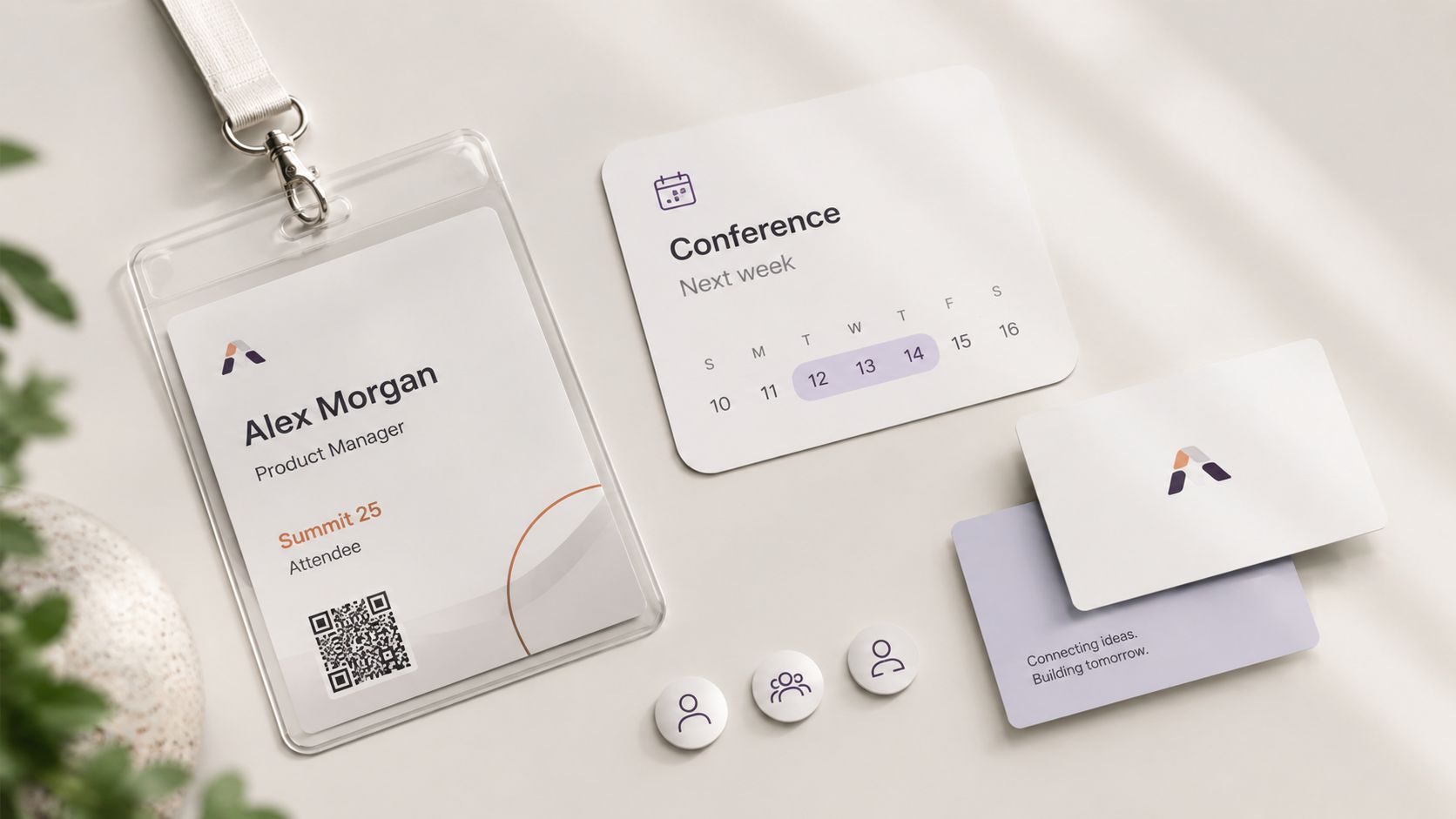
An event reminder that actually earns the meeting
Subject: Quick one before ICE next week
“With ICE kicking off Tuesday, wanted to send a short note before everyone's calendars fill.
You mentioned in our last conversation that the cross-border compliance changes from earlier this year were affecting your Q2 planning. We've spent the last six weeks talking to compliance directors specifically about how they're positioning for the next regulatory cycle, and the patterns are clearer than we expected.
We've blocked Wednesday afternoon and Thursday morning to discuss what we're seeing.
Would 30 minutes either day work for you? Wednesday's better if you want to compare notes with other teams, Thursday's better if you'd rather keep it bilateral.
If both are tight, happy to send the patterns over by email after the event.”
That structure works because it combines timing pressure with substance. It's not “want to meet at the conference?” It's “we have something specific worth discussing there.”
Shared context beats generic personalization every time at industry events.
For teams building longer nurture paths before events, GROU's guide to B2B lead nurturing systems is useful for mapping the pre-event warm-up.
5. C-level personalized short format reminder
For founders, CFOs, COOs, and CEOs, shorter wins unless the content has unusual substance density. Most reminder email templates sent to executives are too padded, too careful, and too vague.
The executive version should land in 3 to 4 sentences. If an EA is triaging the inbox, clarity matters as much as relevance.
The executive version
Subject: Procurement timing
“Your current procurement structure is probably creating avoidable drag on cash conversion this quarter.
The teams I've seen fix it fastest usually tighten approval paths before they add headcount or new tooling.
Worth 20 minutes next Tuesday to compare your current flow against the common failure points?”
That's enough. No autobiography, no recap, no “hope you're well.”
A few patterns matter here:
Use externally visible context: funding event, expansion announcement, market change, regulatory update.
Teach something in the email: a sharp observation earns the meeting.
Give a low-friction CTA: a yes, no, or one of two time options.
For legal tech and pharma leaders, you can push slightly more context if the issue is governance-heavy. For most SaaS and manufacturing executives, trim harder than you think. Tools like Apollo, Clay, and Sales Navigator help gather the signal, but the email still has to read like it came from an operator, not a sequencer.
If you're building executive reminders into a broader outbound system, GROU's perspective on AI sales automation in outbound teams is worth reviewing before you automate volume.
6. Manager-level detailed context reminder with operational specificity
Managers and directors usually reward specificity more than brevity, leading many sales teams to over-apply the executive format and leave response on the table.
If the contact owns process, delivery, implementation, or reporting, give them enough detail to evaluate whether your observation is useful. That's especially true in manufacturing, where lead generation tends to work best when messaging references certifications, lead times, machine compatibility, and a clearly defined ICP rather than vague check-ins, based on OneShot's manufacturing lead generation framework.
Here's a useful format break before the copy.
How the detailed version should read
Subject: Question on your handoff structure
“From what I can see, your current setup has SDRs feeding multiple reps across different follow-up motions.
That usually creates a handoff issue before it creates a volume issue. Teams often assume they need more outbound capacity when the actual problem is that follow-up ownership changes too often once interest appears.
We've seen stronger results when managers separate first-touch generation from reminder ownership, then hold reps to a narrow sequence set instead of spreading effort across too many parallel motions.
Does that match what you're seeing in your current structure, or is the bottleneck happening later in the process?”
This version works for RevOps leads, operations managers, plant managers, and legal operations contacts because it sounds like someone looked at the actual workflow.
Use process language: handoff structure, approval path, variance review, machine compatibility.
Show operational understanding: mention the point where friction appears.
Ask a diagnosis question: managers respond well when the CTA helps them think.
One parenthetical matters here (and only here): if the note reads like marketing copy, it's dead on arrival.
7. Payment or contract renewal reminder with clear consequences
A renewal reminder usually lands when finance, legal, procurement, and the business owner are all judging risk at the same time. That is why this category needs tighter copy than a standard follow-up.
The job is simple. State the deadline, name what changes if no action is taken, and give the fastest path to completion. The right template depends on process type and buyer role. A finance contact needs invoice and PO clarity. A legal owner needs contract status and effective dates. An end user often just needs to know what access or service changes on a specific day.
Template: renewal or payment reminder with operational consequences
Subject: Renewal due May 15. Access changes May 16
“Your annual subscription ends on May 15.
If renewal is not completed by end of day May 15, your team's access will be suspended on May 16. Admin settings and historical account data will remain unavailable until the renewal is processed.
To complete renewal, use this link: [renewal link]
If your team needs updated terms, a vendor form, or procurement documents, reply here and we'll send them today.”
This version works because it reads like an operational notice, not a negotiation opener. It is clear enough for active customers, and neutral enough for legal or finance reviewers who were pulled into the process late.
Use these variables based on context:
Urgency: due date, grace period end date, auto-renewal date
Prospect or account role: finance lead, procurement manager, legal reviewer, system owner
Event context: contract end date, invoice due date, license expiration, support coverage end
Process type: self-serve renewal, signed order form, invoice payment, procurement approval
A few details make a measurable difference in reply quality and completion speed:
Use the exact deadline: “May 15 at 5:00 PM ET” is stronger than “this week.”
Name the consequence precisely: access pauses, pricing changes, support coverage ends, shipment holds, or the renewal term lapses.
Match the CTA to the blocker: payment link for AP, order form for procurement, redline copy for legal.
Include one service line: “If documents are needed, reply and we'll send them today” reduces avoidable delay.
For teams that own both outbound meetings and renewals, the same operational discipline improves collections and retention. The process standards in this guide to B2B appointment setting and follow-up workflows apply here too. Clear ownership, explicit next steps, and low-friction scheduling reduce preventable slippage.
For invoice-heavy workflows, this guide on stop chasing late payments is a good companion reference.
Track three KPIs on this reminder type: renewal completion rate, days to payment after first reminder, and reply rate by role. If finance replies but the business owner does not, the issue is usually internal approval, not message clarity. If nobody replies, the email often lacks a concrete consequence or sends the wrong CTA to the wrong contact.
8. Meeting confirmation and logistics reminder
A booked meeting is not pipeline yet. If calendars fill up, priorities shift, or the invite details are unclear, confirmed calls turn into no-shows fast. The fix is usually operational, not creative.
For this reminder type, send the email 24 hours before the meeting and match the format to the buyer, the urgency, and the meeting context. A CFO usually wants a short confirmation with time, link, and purpose. A manager joining a working session often needs the agenda, attendees, prep required, and reschedule path.
The confirmation format I recommend
Subject: Confirming tomorrow at 2:00 PM ET
“Confirming our conversation tomorrow, Tuesday at 2:00 PM ET.
We'll use this Zoom link: [link]
Planned topics are your current workflow gaps, resource constraints, and timeline for change. We've blocked 30 minutes.
If timing no longer works, reply here or use this reschedule link.”
This format works because it removes the three common causes of missed meetings. People forget the slot. They cannot find the link. They are unsure what the conversation will cover.
A strong confirmation reminder usually includes:
Exact time zone and duration: “Tuesday, 2:00 PM ET, 30 minutes”
Access details: Zoom, phone bridge, office address, or room name
Clear agenda: 2 to 4 topics tied to the buyer's stated goal
Attendee context: who from each side is joining, if that matters
Low-friction reschedule option: reply or booking link
Personalization matters here, but it should stay operational. Use variables like [First Name], [Company], [Meeting Date], [Meeting Time Zone], [Call Link], [Primary Goal], and [Attendees]. That is enough to make the reminder feel specific without turning a logistics email into a sales pitch.
I also track this email by role and meeting type. For executive discovery calls, watch reply rate to the reminder and held-meeting rate. For implementation reviews or technical demos, also track reschedule rate, because a rescheduled meeting is often still healthy pipeline. If held rate drops while reply rate stays flat, the problem is usually calendar friction or weak invite details, not interest.
If your SDR or AE team owns pre-meeting reminders, GROU's guide to B2B appointment setting systems is useful for mapping the handoff from booked to held.
8 Reminder Email Templates Compared
Template | 🔄 Implementation complexity | 💡 Resources & prep | 📊 Expected outcomes | ⚡ Ideal use cases | ⭐ Key advantages |
|---|---|---|---|---|---|
Low urgency warm follow-up to non-responders | 🔄 Moderate, needs a distinct new angle and customization | Research prospect activity (LinkedIn, news); 3–5 day cadence; tools: Clay/Apollo | 📊 Reply 6–11%; 4–7% positive replies; good meeting conversion from positives | Cold or warm sequences where multiple touches expected (SaaS, manufacturing, legal tech, pharma) | ⭐ Preserves relationship, provides fresh value, low-pressure CTA |
Medium urgency active conversation re-engagement | 🔄 Moderate–High, relies on accurate CRM context and timing | CRM tracking of proposals/calls; reference deliverables; automation (HubSpot) | 📊 Reply 22–38%; 18–32% positive; 60–75% conversion to next stage | Stalled but engaged prospects 7–14 days after proposal/call | ⭐ Highest pipeline value per email; context-aware and easy to reply |
High urgency deadline-driven final touch | 🔄 Low–Moderate but high risk, must verify real deadline | Confirm deadline validity; coordinate cross-channel touches; CRM alerts | 📊 Reply 35–55% when urgency is genuine; variable close conversion | Real contractual or timing deadlines (contract expiry, quarter close, event start) | ⭐ Drives immediate action with clear consequences; decisive binary CTA |
Event-based reminder with substantive value offer | 🔄 High, event timing, attendee verification and peer research required | Verify attendance (LinkedIn RSVPs), conduct peer research 2–4 weeks prior; segment lists | 📊 Reply 20–41% (exceptional >40%); show rates 80%+ for booked meetings | Marquee industry events (ICE, RSA, Money20/20, Dreamforce) | ⭐ Legitimate urgency + social proof; structured time slots increase conversion |
C‑level personalized short format reminder | 🔄 High, demands deep, verifiable executive insight in tight word limit | High-quality company/financial/regulatory research; strict 60–100 word limit | 📊 Reply 8–15%; high open rate when subject line is clear | C‑level executives and founders across urgency levels | ⭐ Respects executive time, high-quality engagement, effective EA filtering |
Manager-level detailed context reminder with operational specificity | 🔄 High, research-intensive and longer form (150–280 words) | 20–30 minutes per prospect for operational specifics; examples and metrics | 📊 Reply 10–20%; ~70% conversion from reply to meeting | Managers/directors who value actionable operational detail | ⭐ Builds credibility through actionable insights and measurable examples |
Payment or contract renewal reminder with clear consequences | 🔄 Moderate, must integrate with billing/subscription systems | Integrate payment/renewal platform (Stripe, billing); verify enforcement of consequences | 📊 Action rates 40–60%; reduces accidental churn | Subscription renewals, license expirations, compliance deadlines | ⭐ High action due to automatic consequences; clear next steps reduce friction |
Meeting confirmation and logistics reminder | 🔄 Low, simple template triggered 24 hours prior | Calendar/Caldendly or HubSpot integration; include clear links and agenda | 📊 Reduces no-shows from ~15–25% to ~5–8%; improves meeting preparedness | 24-hour pre-meeting confirmations for virtual and in-person calls | ⭐ Low effort, high return: clarifies logistics and raises meeting attendance |
Next steps to sharpen your reminder strategy
Audit your deal stage response rates this Friday to identify which urgency context underperforms. Don't review reminders as one bucket. Split them by non-responder follow-up, active-deal re-engagement, deadline-driven final touch, renewal, and meeting confirmation.
Then add one template from this list into each of your next 10 live sequences by Monday. Keep the change controlled. If you swap messaging, timing, sender, and channel at the same time, you won't know what specifically moved performance.
The sequence structure matters as much as the copy. LiveAgent notes an underserved gap in reminder strategy around multi-channel sequencing, especially when inbox fatigue kills visibility. It also highlights that 61% of consumers expect personalized interactions and points to stop-on-action workflows as a best practice, in this overview of reminder sequencing and personalization trends. For B2B teams, that means email should carry detail, SMS should carry visibility, and the sequence should stop the moment the prospect replies.
Your pipeline hygiene matters too. HubSpot community guidance recommends limiting a B2B pipeline to a maximum of six stages, with each stage defined by a buyer decision and a clear exit criterion, not an internal activity, in this discussion of B2B SaaS pipeline setup best practices. If your CRM stages are muddy, your reminders will be muddy too, because nobody knows what the next true step is.
One more operational fix is worth making. LaunchLeads recommends a 48-hour SLA for Tier 1 intent signals such as multiple stakeholders researching the vendor, repeated sessions in a short window, funding raises, new VP hires, or tech stack switches, in its write-up on lead generation strategies that fill B2B pipeline. That's where reminders and intent should meet. Trigger the right reminder off the right signal, then route ownership cleanly in HubSpot.
GROU is a global B2B pipeline agency that unifies LinkedIn content, lead generation, and outbound into one AI-powered system to create qualified conversations and closed revenue. Our methodology runs in bi-weekly sprints with rapid iteration, transparent reporting, and clear qualification rules.
Before you roll changes out team-wide, run your last reminder emails through a final QA pass and ensure inbox delivery with email checks.
If you want to put these reminder email templates into a working outbound system, Grou can help you map the triggers, channels, and qualification rules so reminders create pipeline instead of noise.
Your reminders aren't failing because you need more templates. They're failing because the same message is being used for very different situations, from cold non-responders to stalled proposals to confirmed meetings. In B2B, structure turns attention into pipeline, and reminder email templates only work when the structure matches the buyer state.
Quickly re-engage cold prospects with a fresh value-driven angle
Name pending steps for medium-urgency stalled deals and drive progression
Use real deadlines for high-urgency responses without manufactured pressure
Tailor reminders to roles, events, renewals, and meeting confirmations
Track reply, held-meeting, and progression rates, and test subject lines continuously
Before you rewrite copy, check whether deliverability is the main blocker with this guide on how to check if emails are going to spam.
Table of Contents
6. Manager-level detailed context reminder with operational specificity
7. Payment or contract renewal reminder with clear consequences
1. Low urgency warm follow-up to non-responders
A common error is made at this stage. Sending “just following up” as the second touch only reminds the prospect that they already ignored you.
The better move is a fresh angle sent 5 to 7 days after the first note. That timing matters because reminder sequences in that window can improve response rates, and sending a reminder between 3 and 7 days after the first invitation can increase response rates by up to 14%, based on survey reminder timing data from Mailpro.
What to send instead
Subject: Different angle on the SDR question
“Quick follow on the post you shared last week about SDR ramp times.
One pattern I didn't mention in my earlier note: the teams that compress ramp do it by giving new SDRs only two sequences to start, not five or six.
Counter-intuitive, but consistent across the teams we've watched do this well.
Worth a 10-minute conversation about how they structure it, or am I overthinking it?”
This works in SaaS, manufacturing, legal tech, and pharma because it doesn't accuse the prospect of ghosting you. It gives them a new reason to respond.
Change the observation: Pull a new angle from Sales Navigator activity, a recent post, company hiring, or a market shift.
Keep the CTA soft: Ask for a view, not a meeting commitment.
Write a new email: Don't paste the old thread below. It reads like a resend.
Don't acknowledge the silence unless the relationship is already active.
A manufacturing version might reference machine compatibility, lead times, or certification requirements. That's far stronger than “circling back.” If you want more first-touch and follow-up examples, GROU's library of sales email templates for B2B outreach is a useful place to pressure-test wording.
2. Medium urgency active conversation re-engagement
This is the highest-value reminder category in most B2B funnels. The prospect already knows you, there's a real object in play, and the only question is whether the opportunity is delayed, blocked, or dead.
I'd choose this format over any “checking in” variation. It's the cleanest way to move a real deal without sounding needy.
Template that gets the status update
Subject: Status check on the proposal
“Wanted to check in on where things sit with the proposal we sent on the 8th.
Couple of possibilities I'm assuming: either it's still working through internal review, the timing has shifted to a later quarter, or something more pressing came up that pushed this down the list.
Any of those close to what's happening, or is there something specific I can help unblock?
Happy to wait if the timing's wrong, just want to make sure we're not missing anything on our end.”
This works well after discovery, proposal delivery, security review, or internal stakeholder circulation. In HubSpot, I like pairing it with a workflow that flags “timing pushed” replies so the AE and RevOps team can adjust close dates instead of leaving fantasy pipeline untouched.
Name the exact context: Proposal from the 8th, pricing model sent Tuesday, mutual action plan from last Thursday.
Give realistic categories: Internal review, shifted priority, budget freeze, stakeholder delay.
Remove guilt: “Happy to wait” gets more honest replies than pressure language.
Field note: If the deal has been silent for only three days, leave it alone. Seven to ten days is usually the right window for this format.
Before you scale these reminders, fix the basics with a proper cold email deliverability process. A strong re-engagement email still fails if the domain is weak.
3. High urgency deadline-driven final touch
This one is powerful and risky. Use it only when the deadline is real, known, and relevant to the buyer.
Industry data on deadline reminder campaigns shows that reminders sent the day before a deadline reached a 16.9% open rate and an 8.3% click rate in an analysis of 6 million emails, according to Call Loop's deadline reminder research. The lesson isn't “send more urgency.” It's “real deadlines change behavior.”
Template with a real decision point
Subject: Final note before Friday
“Friday is the last day we can lock in the Q1 implementation timeline you mentioned was important.
After Friday, the earliest start becomes mid-April, which based on what you said about the board meeting timing might not work.
Two options: (1) we can do a 15-minute call before Friday to confirm and sign, or (2) we lock the April timeline and adjust other elements.
Either's fine on our end, but Friday is the actual decision point. Which works for you?”
This is effective for contract expirations, implementation windows, budget approvals, and real event dates. It fails when teams invent urgency around arbitrary discounts or fake “last chance” language.
State the consequence: Start date moves, pricing changes, access ends, procurement resets.
Offer two real paths: Sign now or shift timeline. Renew now or pause access.
Send it once: Repeating “final notice” destroys trust fast.
For critical deals, I'd pair this with HeyReach or LinkedIn plus a same-day call task in HubSpot. Email alone can miss the moment.
4. Event-based reminder with substantive value offer
Event reminders work when the event itself is doing real work. If the prospect is going to ICE Barcelona, RSA, Money20/20, or Dreamforce, their calendar is already under pressure. You don't need fake urgency. You need a meeting reason that survives calendar competition.
In iGaming especially, weak personalization doesn't move buyers. Prospects often need a 2 to 4 week LinkedIn warm-up before outreach, and shared context like a conference, mutual connection, or market-specific regulatory development matters far more than generic role-based personalization, as outlined in Virtuwise's iGaming B2B outreach guidance.
An event reminder that actually earns the meeting
Subject: Quick one before ICE next week
“With ICE kicking off Tuesday, wanted to send a short note before everyone's calendars fill.
You mentioned in our last conversation that the cross-border compliance changes from earlier this year were affecting your Q2 planning. We've spent the last six weeks talking to compliance directors specifically about how they're positioning for the next regulatory cycle, and the patterns are clearer than we expected.
We've blocked Wednesday afternoon and Thursday morning to discuss what we're seeing.
Would 30 minutes either day work for you? Wednesday's better if you want to compare notes with other teams, Thursday's better if you'd rather keep it bilateral.
If both are tight, happy to send the patterns over by email after the event.”
That structure works because it combines timing pressure with substance. It's not “want to meet at the conference?” It's “we have something specific worth discussing there.”
Shared context beats generic personalization every time at industry events.
For teams building longer nurture paths before events, GROU's guide to B2B lead nurturing systems is useful for mapping the pre-event warm-up.
5. C-level personalized short format reminder
For founders, CFOs, COOs, and CEOs, shorter wins unless the content has unusual substance density. Most reminder email templates sent to executives are too padded, too careful, and too vague.
The executive version should land in 3 to 4 sentences. If an EA is triaging the inbox, clarity matters as much as relevance.
The executive version
Subject: Procurement timing
“Your current procurement structure is probably creating avoidable drag on cash conversion this quarter.
The teams I've seen fix it fastest usually tighten approval paths before they add headcount or new tooling.
Worth 20 minutes next Tuesday to compare your current flow against the common failure points?”
That's enough. No autobiography, no recap, no “hope you're well.”
A few patterns matter here:
Use externally visible context: funding event, expansion announcement, market change, regulatory update.
Teach something in the email: a sharp observation earns the meeting.
Give a low-friction CTA: a yes, no, or one of two time options.
For legal tech and pharma leaders, you can push slightly more context if the issue is governance-heavy. For most SaaS and manufacturing executives, trim harder than you think. Tools like Apollo, Clay, and Sales Navigator help gather the signal, but the email still has to read like it came from an operator, not a sequencer.
If you're building executive reminders into a broader outbound system, GROU's perspective on AI sales automation in outbound teams is worth reviewing before you automate volume.
6. Manager-level detailed context reminder with operational specificity
Managers and directors usually reward specificity more than brevity, leading many sales teams to over-apply the executive format and leave response on the table.
If the contact owns process, delivery, implementation, or reporting, give them enough detail to evaluate whether your observation is useful. That's especially true in manufacturing, where lead generation tends to work best when messaging references certifications, lead times, machine compatibility, and a clearly defined ICP rather than vague check-ins, based on OneShot's manufacturing lead generation framework.
Here's a useful format break before the copy.
How the detailed version should read
Subject: Question on your handoff structure
“From what I can see, your current setup has SDRs feeding multiple reps across different follow-up motions.
That usually creates a handoff issue before it creates a volume issue. Teams often assume they need more outbound capacity when the actual problem is that follow-up ownership changes too often once interest appears.
We've seen stronger results when managers separate first-touch generation from reminder ownership, then hold reps to a narrow sequence set instead of spreading effort across too many parallel motions.
Does that match what you're seeing in your current structure, or is the bottleneck happening later in the process?”
This version works for RevOps leads, operations managers, plant managers, and legal operations contacts because it sounds like someone looked at the actual workflow.
Use process language: handoff structure, approval path, variance review, machine compatibility.
Show operational understanding: mention the point where friction appears.
Ask a diagnosis question: managers respond well when the CTA helps them think.
One parenthetical matters here (and only here): if the note reads like marketing copy, it's dead on arrival.
7. Payment or contract renewal reminder with clear consequences
A renewal reminder usually lands when finance, legal, procurement, and the business owner are all judging risk at the same time. That is why this category needs tighter copy than a standard follow-up.
The job is simple. State the deadline, name what changes if no action is taken, and give the fastest path to completion. The right template depends on process type and buyer role. A finance contact needs invoice and PO clarity. A legal owner needs contract status and effective dates. An end user often just needs to know what access or service changes on a specific day.
Template: renewal or payment reminder with operational consequences
Subject: Renewal due May 15. Access changes May 16
“Your annual subscription ends on May 15.
If renewal is not completed by end of day May 15, your team's access will be suspended on May 16. Admin settings and historical account data will remain unavailable until the renewal is processed.
To complete renewal, use this link: [renewal link]
If your team needs updated terms, a vendor form, or procurement documents, reply here and we'll send them today.”
This version works because it reads like an operational notice, not a negotiation opener. It is clear enough for active customers, and neutral enough for legal or finance reviewers who were pulled into the process late.
Use these variables based on context:
Urgency: due date, grace period end date, auto-renewal date
Prospect or account role: finance lead, procurement manager, legal reviewer, system owner
Event context: contract end date, invoice due date, license expiration, support coverage end
Process type: self-serve renewal, signed order form, invoice payment, procurement approval
A few details make a measurable difference in reply quality and completion speed:
Use the exact deadline: “May 15 at 5:00 PM ET” is stronger than “this week.”
Name the consequence precisely: access pauses, pricing changes, support coverage ends, shipment holds, or the renewal term lapses.
Match the CTA to the blocker: payment link for AP, order form for procurement, redline copy for legal.
Include one service line: “If documents are needed, reply and we'll send them today” reduces avoidable delay.
For teams that own both outbound meetings and renewals, the same operational discipline improves collections and retention. The process standards in this guide to B2B appointment setting and follow-up workflows apply here too. Clear ownership, explicit next steps, and low-friction scheduling reduce preventable slippage.
For invoice-heavy workflows, this guide on stop chasing late payments is a good companion reference.
Track three KPIs on this reminder type: renewal completion rate, days to payment after first reminder, and reply rate by role. If finance replies but the business owner does not, the issue is usually internal approval, not message clarity. If nobody replies, the email often lacks a concrete consequence or sends the wrong CTA to the wrong contact.
8. Meeting confirmation and logistics reminder
A booked meeting is not pipeline yet. If calendars fill up, priorities shift, or the invite details are unclear, confirmed calls turn into no-shows fast. The fix is usually operational, not creative.
For this reminder type, send the email 24 hours before the meeting and match the format to the buyer, the urgency, and the meeting context. A CFO usually wants a short confirmation with time, link, and purpose. A manager joining a working session often needs the agenda, attendees, prep required, and reschedule path.
The confirmation format I recommend
Subject: Confirming tomorrow at 2:00 PM ET
“Confirming our conversation tomorrow, Tuesday at 2:00 PM ET.
We'll use this Zoom link: [link]
Planned topics are your current workflow gaps, resource constraints, and timeline for change. We've blocked 30 minutes.
If timing no longer works, reply here or use this reschedule link.”
This format works because it removes the three common causes of missed meetings. People forget the slot. They cannot find the link. They are unsure what the conversation will cover.
A strong confirmation reminder usually includes:
Exact time zone and duration: “Tuesday, 2:00 PM ET, 30 minutes”
Access details: Zoom, phone bridge, office address, or room name
Clear agenda: 2 to 4 topics tied to the buyer's stated goal
Attendee context: who from each side is joining, if that matters
Low-friction reschedule option: reply or booking link
Personalization matters here, but it should stay operational. Use variables like [First Name], [Company], [Meeting Date], [Meeting Time Zone], [Call Link], [Primary Goal], and [Attendees]. That is enough to make the reminder feel specific without turning a logistics email into a sales pitch.
I also track this email by role and meeting type. For executive discovery calls, watch reply rate to the reminder and held-meeting rate. For implementation reviews or technical demos, also track reschedule rate, because a rescheduled meeting is often still healthy pipeline. If held rate drops while reply rate stays flat, the problem is usually calendar friction or weak invite details, not interest.
If your SDR or AE team owns pre-meeting reminders, GROU's guide to B2B appointment setting systems is useful for mapping the handoff from booked to held.
8 Reminder Email Templates Compared
Template | 🔄 Implementation complexity | 💡 Resources & prep | 📊 Expected outcomes | ⚡ Ideal use cases | ⭐ Key advantages |
|---|---|---|---|---|---|
Low urgency warm follow-up to non-responders | 🔄 Moderate, needs a distinct new angle and customization | Research prospect activity (LinkedIn, news); 3–5 day cadence; tools: Clay/Apollo | 📊 Reply 6–11%; 4–7% positive replies; good meeting conversion from positives | Cold or warm sequences where multiple touches expected (SaaS, manufacturing, legal tech, pharma) | ⭐ Preserves relationship, provides fresh value, low-pressure CTA |
Medium urgency active conversation re-engagement | 🔄 Moderate–High, relies on accurate CRM context and timing | CRM tracking of proposals/calls; reference deliverables; automation (HubSpot) | 📊 Reply 22–38%; 18–32% positive; 60–75% conversion to next stage | Stalled but engaged prospects 7–14 days after proposal/call | ⭐ Highest pipeline value per email; context-aware and easy to reply |
High urgency deadline-driven final touch | 🔄 Low–Moderate but high risk, must verify real deadline | Confirm deadline validity; coordinate cross-channel touches; CRM alerts | 📊 Reply 35–55% when urgency is genuine; variable close conversion | Real contractual or timing deadlines (contract expiry, quarter close, event start) | ⭐ Drives immediate action with clear consequences; decisive binary CTA |
Event-based reminder with substantive value offer | 🔄 High, event timing, attendee verification and peer research required | Verify attendance (LinkedIn RSVPs), conduct peer research 2–4 weeks prior; segment lists | 📊 Reply 20–41% (exceptional >40%); show rates 80%+ for booked meetings | Marquee industry events (ICE, RSA, Money20/20, Dreamforce) | ⭐ Legitimate urgency + social proof; structured time slots increase conversion |
C‑level personalized short format reminder | 🔄 High, demands deep, verifiable executive insight in tight word limit | High-quality company/financial/regulatory research; strict 60–100 word limit | 📊 Reply 8–15%; high open rate when subject line is clear | C‑level executives and founders across urgency levels | ⭐ Respects executive time, high-quality engagement, effective EA filtering |
Manager-level detailed context reminder with operational specificity | 🔄 High, research-intensive and longer form (150–280 words) | 20–30 minutes per prospect for operational specifics; examples and metrics | 📊 Reply 10–20%; ~70% conversion from reply to meeting | Managers/directors who value actionable operational detail | ⭐ Builds credibility through actionable insights and measurable examples |
Payment or contract renewal reminder with clear consequences | 🔄 Moderate, must integrate with billing/subscription systems | Integrate payment/renewal platform (Stripe, billing); verify enforcement of consequences | 📊 Action rates 40–60%; reduces accidental churn | Subscription renewals, license expirations, compliance deadlines | ⭐ High action due to automatic consequences; clear next steps reduce friction |
Meeting confirmation and logistics reminder | 🔄 Low, simple template triggered 24 hours prior | Calendar/Caldendly or HubSpot integration; include clear links and agenda | 📊 Reduces no-shows from ~15–25% to ~5–8%; improves meeting preparedness | 24-hour pre-meeting confirmations for virtual and in-person calls | ⭐ Low effort, high return: clarifies logistics and raises meeting attendance |
Next steps to sharpen your reminder strategy
Audit your deal stage response rates this Friday to identify which urgency context underperforms. Don't review reminders as one bucket. Split them by non-responder follow-up, active-deal re-engagement, deadline-driven final touch, renewal, and meeting confirmation.
Then add one template from this list into each of your next 10 live sequences by Monday. Keep the change controlled. If you swap messaging, timing, sender, and channel at the same time, you won't know what specifically moved performance.
The sequence structure matters as much as the copy. LiveAgent notes an underserved gap in reminder strategy around multi-channel sequencing, especially when inbox fatigue kills visibility. It also highlights that 61% of consumers expect personalized interactions and points to stop-on-action workflows as a best practice, in this overview of reminder sequencing and personalization trends. For B2B teams, that means email should carry detail, SMS should carry visibility, and the sequence should stop the moment the prospect replies.
Your pipeline hygiene matters too. HubSpot community guidance recommends limiting a B2B pipeline to a maximum of six stages, with each stage defined by a buyer decision and a clear exit criterion, not an internal activity, in this discussion of B2B SaaS pipeline setup best practices. If your CRM stages are muddy, your reminders will be muddy too, because nobody knows what the next true step is.
One more operational fix is worth making. LaunchLeads recommends a 48-hour SLA for Tier 1 intent signals such as multiple stakeholders researching the vendor, repeated sessions in a short window, funding raises, new VP hires, or tech stack switches, in its write-up on lead generation strategies that fill B2B pipeline. That's where reminders and intent should meet. Trigger the right reminder off the right signal, then route ownership cleanly in HubSpot.
GROU is a global B2B pipeline agency that unifies LinkedIn content, lead generation, and outbound into one AI-powered system to create qualified conversations and closed revenue. Our methodology runs in bi-weekly sprints with rapid iteration, transparent reporting, and clear qualification rules.
Before you roll changes out team-wide, run your last reminder emails through a final QA pass and ensure inbox delivery with email checks.
If you want to put these reminder email templates into a working outbound system, Grou can help you map the triggers, channels, and qualification rules so reminders create pipeline instead of noise.
Your reminders aren't failing because you need more templates. They're failing because the same message is being used for very different situations, from cold non-responders to stalled proposals to confirmed meetings. In B2B, structure turns attention into pipeline, and reminder email templates only work when the structure matches the buyer state.
Quickly re-engage cold prospects with a fresh value-driven angle
Name pending steps for medium-urgency stalled deals and drive progression
Use real deadlines for high-urgency responses without manufactured pressure
Tailor reminders to roles, events, renewals, and meeting confirmations
Track reply, held-meeting, and progression rates, and test subject lines continuously
Before you rewrite copy, check whether deliverability is the main blocker with this guide on how to check if emails are going to spam.
Table of Contents
6. Manager-level detailed context reminder with operational specificity
7. Payment or contract renewal reminder with clear consequences
1. Low urgency warm follow-up to non-responders
A common error is made at this stage. Sending “just following up” as the second touch only reminds the prospect that they already ignored you.
The better move is a fresh angle sent 5 to 7 days after the first note. That timing matters because reminder sequences in that window can improve response rates, and sending a reminder between 3 and 7 days after the first invitation can increase response rates by up to 14%, based on survey reminder timing data from Mailpro.
What to send instead
Subject: Different angle on the SDR question
“Quick follow on the post you shared last week about SDR ramp times.
One pattern I didn't mention in my earlier note: the teams that compress ramp do it by giving new SDRs only two sequences to start, not five or six.
Counter-intuitive, but consistent across the teams we've watched do this well.
Worth a 10-minute conversation about how they structure it, or am I overthinking it?”
This works in SaaS, manufacturing, legal tech, and pharma because it doesn't accuse the prospect of ghosting you. It gives them a new reason to respond.
Change the observation: Pull a new angle from Sales Navigator activity, a recent post, company hiring, or a market shift.
Keep the CTA soft: Ask for a view, not a meeting commitment.
Write a new email: Don't paste the old thread below. It reads like a resend.
Don't acknowledge the silence unless the relationship is already active.
A manufacturing version might reference machine compatibility, lead times, or certification requirements. That's far stronger than “circling back.” If you want more first-touch and follow-up examples, GROU's library of sales email templates for B2B outreach is a useful place to pressure-test wording.
2. Medium urgency active conversation re-engagement
This is the highest-value reminder category in most B2B funnels. The prospect already knows you, there's a real object in play, and the only question is whether the opportunity is delayed, blocked, or dead.
I'd choose this format over any “checking in” variation. It's the cleanest way to move a real deal without sounding needy.
Template that gets the status update
Subject: Status check on the proposal
“Wanted to check in on where things sit with the proposal we sent on the 8th.
Couple of possibilities I'm assuming: either it's still working through internal review, the timing has shifted to a later quarter, or something more pressing came up that pushed this down the list.
Any of those close to what's happening, or is there something specific I can help unblock?
Happy to wait if the timing's wrong, just want to make sure we're not missing anything on our end.”
This works well after discovery, proposal delivery, security review, or internal stakeholder circulation. In HubSpot, I like pairing it with a workflow that flags “timing pushed” replies so the AE and RevOps team can adjust close dates instead of leaving fantasy pipeline untouched.
Name the exact context: Proposal from the 8th, pricing model sent Tuesday, mutual action plan from last Thursday.
Give realistic categories: Internal review, shifted priority, budget freeze, stakeholder delay.
Remove guilt: “Happy to wait” gets more honest replies than pressure language.
Field note: If the deal has been silent for only three days, leave it alone. Seven to ten days is usually the right window for this format.
Before you scale these reminders, fix the basics with a proper cold email deliverability process. A strong re-engagement email still fails if the domain is weak.
3. High urgency deadline-driven final touch
This one is powerful and risky. Use it only when the deadline is real, known, and relevant to the buyer.
Industry data on deadline reminder campaigns shows that reminders sent the day before a deadline reached a 16.9% open rate and an 8.3% click rate in an analysis of 6 million emails, according to Call Loop's deadline reminder research. The lesson isn't “send more urgency.” It's “real deadlines change behavior.”
Template with a real decision point
Subject: Final note before Friday
“Friday is the last day we can lock in the Q1 implementation timeline you mentioned was important.
After Friday, the earliest start becomes mid-April, which based on what you said about the board meeting timing might not work.
Two options: (1) we can do a 15-minute call before Friday to confirm and sign, or (2) we lock the April timeline and adjust other elements.
Either's fine on our end, but Friday is the actual decision point. Which works for you?”
This is effective for contract expirations, implementation windows, budget approvals, and real event dates. It fails when teams invent urgency around arbitrary discounts or fake “last chance” language.
State the consequence: Start date moves, pricing changes, access ends, procurement resets.
Offer two real paths: Sign now or shift timeline. Renew now or pause access.
Send it once: Repeating “final notice” destroys trust fast.
For critical deals, I'd pair this with HeyReach or LinkedIn plus a same-day call task in HubSpot. Email alone can miss the moment.
4. Event-based reminder with substantive value offer
Event reminders work when the event itself is doing real work. If the prospect is going to ICE Barcelona, RSA, Money20/20, or Dreamforce, their calendar is already under pressure. You don't need fake urgency. You need a meeting reason that survives calendar competition.
In iGaming especially, weak personalization doesn't move buyers. Prospects often need a 2 to 4 week LinkedIn warm-up before outreach, and shared context like a conference, mutual connection, or market-specific regulatory development matters far more than generic role-based personalization, as outlined in Virtuwise's iGaming B2B outreach guidance.
An event reminder that actually earns the meeting
Subject: Quick one before ICE next week
“With ICE kicking off Tuesday, wanted to send a short note before everyone's calendars fill.
You mentioned in our last conversation that the cross-border compliance changes from earlier this year were affecting your Q2 planning. We've spent the last six weeks talking to compliance directors specifically about how they're positioning for the next regulatory cycle, and the patterns are clearer than we expected.
We've blocked Wednesday afternoon and Thursday morning to discuss what we're seeing.
Would 30 minutes either day work for you? Wednesday's better if you want to compare notes with other teams, Thursday's better if you'd rather keep it bilateral.
If both are tight, happy to send the patterns over by email after the event.”
That structure works because it combines timing pressure with substance. It's not “want to meet at the conference?” It's “we have something specific worth discussing there.”
Shared context beats generic personalization every time at industry events.
For teams building longer nurture paths before events, GROU's guide to B2B lead nurturing systems is useful for mapping the pre-event warm-up.
5. C-level personalized short format reminder
For founders, CFOs, COOs, and CEOs, shorter wins unless the content has unusual substance density. Most reminder email templates sent to executives are too padded, too careful, and too vague.
The executive version should land in 3 to 4 sentences. If an EA is triaging the inbox, clarity matters as much as relevance.
The executive version
Subject: Procurement timing
“Your current procurement structure is probably creating avoidable drag on cash conversion this quarter.
The teams I've seen fix it fastest usually tighten approval paths before they add headcount or new tooling.
Worth 20 minutes next Tuesday to compare your current flow against the common failure points?”
That's enough. No autobiography, no recap, no “hope you're well.”
A few patterns matter here:
Use externally visible context: funding event, expansion announcement, market change, regulatory update.
Teach something in the email: a sharp observation earns the meeting.
Give a low-friction CTA: a yes, no, or one of two time options.
For legal tech and pharma leaders, you can push slightly more context if the issue is governance-heavy. For most SaaS and manufacturing executives, trim harder than you think. Tools like Apollo, Clay, and Sales Navigator help gather the signal, but the email still has to read like it came from an operator, not a sequencer.
If you're building executive reminders into a broader outbound system, GROU's perspective on AI sales automation in outbound teams is worth reviewing before you automate volume.
6. Manager-level detailed context reminder with operational specificity
Managers and directors usually reward specificity more than brevity, leading many sales teams to over-apply the executive format and leave response on the table.
If the contact owns process, delivery, implementation, or reporting, give them enough detail to evaluate whether your observation is useful. That's especially true in manufacturing, where lead generation tends to work best when messaging references certifications, lead times, machine compatibility, and a clearly defined ICP rather than vague check-ins, based on OneShot's manufacturing lead generation framework.
Here's a useful format break before the copy.
How the detailed version should read
Subject: Question on your handoff structure
“From what I can see, your current setup has SDRs feeding multiple reps across different follow-up motions.
That usually creates a handoff issue before it creates a volume issue. Teams often assume they need more outbound capacity when the actual problem is that follow-up ownership changes too often once interest appears.
We've seen stronger results when managers separate first-touch generation from reminder ownership, then hold reps to a narrow sequence set instead of spreading effort across too many parallel motions.
Does that match what you're seeing in your current structure, or is the bottleneck happening later in the process?”
This version works for RevOps leads, operations managers, plant managers, and legal operations contacts because it sounds like someone looked at the actual workflow.
Use process language: handoff structure, approval path, variance review, machine compatibility.
Show operational understanding: mention the point where friction appears.
Ask a diagnosis question: managers respond well when the CTA helps them think.
One parenthetical matters here (and only here): if the note reads like marketing copy, it's dead on arrival.
7. Payment or contract renewal reminder with clear consequences
A renewal reminder usually lands when finance, legal, procurement, and the business owner are all judging risk at the same time. That is why this category needs tighter copy than a standard follow-up.
The job is simple. State the deadline, name what changes if no action is taken, and give the fastest path to completion. The right template depends on process type and buyer role. A finance contact needs invoice and PO clarity. A legal owner needs contract status and effective dates. An end user often just needs to know what access or service changes on a specific day.
Template: renewal or payment reminder with operational consequences
Subject: Renewal due May 15. Access changes May 16
“Your annual subscription ends on May 15.
If renewal is not completed by end of day May 15, your team's access will be suspended on May 16. Admin settings and historical account data will remain unavailable until the renewal is processed.
To complete renewal, use this link: [renewal link]
If your team needs updated terms, a vendor form, or procurement documents, reply here and we'll send them today.”
This version works because it reads like an operational notice, not a negotiation opener. It is clear enough for active customers, and neutral enough for legal or finance reviewers who were pulled into the process late.
Use these variables based on context:
Urgency: due date, grace period end date, auto-renewal date
Prospect or account role: finance lead, procurement manager, legal reviewer, system owner
Event context: contract end date, invoice due date, license expiration, support coverage end
Process type: self-serve renewal, signed order form, invoice payment, procurement approval
A few details make a measurable difference in reply quality and completion speed:
Use the exact deadline: “May 15 at 5:00 PM ET” is stronger than “this week.”
Name the consequence precisely: access pauses, pricing changes, support coverage ends, shipment holds, or the renewal term lapses.
Match the CTA to the blocker: payment link for AP, order form for procurement, redline copy for legal.
Include one service line: “If documents are needed, reply and we'll send them today” reduces avoidable delay.
For teams that own both outbound meetings and renewals, the same operational discipline improves collections and retention. The process standards in this guide to B2B appointment setting and follow-up workflows apply here too. Clear ownership, explicit next steps, and low-friction scheduling reduce preventable slippage.
For invoice-heavy workflows, this guide on stop chasing late payments is a good companion reference.
Track three KPIs on this reminder type: renewal completion rate, days to payment after first reminder, and reply rate by role. If finance replies but the business owner does not, the issue is usually internal approval, not message clarity. If nobody replies, the email often lacks a concrete consequence or sends the wrong CTA to the wrong contact.
8. Meeting confirmation and logistics reminder
A booked meeting is not pipeline yet. If calendars fill up, priorities shift, or the invite details are unclear, confirmed calls turn into no-shows fast. The fix is usually operational, not creative.
For this reminder type, send the email 24 hours before the meeting and match the format to the buyer, the urgency, and the meeting context. A CFO usually wants a short confirmation with time, link, and purpose. A manager joining a working session often needs the agenda, attendees, prep required, and reschedule path.
The confirmation format I recommend
Subject: Confirming tomorrow at 2:00 PM ET
“Confirming our conversation tomorrow, Tuesday at 2:00 PM ET.
We'll use this Zoom link: [link]
Planned topics are your current workflow gaps, resource constraints, and timeline for change. We've blocked 30 minutes.
If timing no longer works, reply here or use this reschedule link.”
This format works because it removes the three common causes of missed meetings. People forget the slot. They cannot find the link. They are unsure what the conversation will cover.
A strong confirmation reminder usually includes:
Exact time zone and duration: “Tuesday, 2:00 PM ET, 30 minutes”
Access details: Zoom, phone bridge, office address, or room name
Clear agenda: 2 to 4 topics tied to the buyer's stated goal
Attendee context: who from each side is joining, if that matters
Low-friction reschedule option: reply or booking link
Personalization matters here, but it should stay operational. Use variables like [First Name], [Company], [Meeting Date], [Meeting Time Zone], [Call Link], [Primary Goal], and [Attendees]. That is enough to make the reminder feel specific without turning a logistics email into a sales pitch.
I also track this email by role and meeting type. For executive discovery calls, watch reply rate to the reminder and held-meeting rate. For implementation reviews or technical demos, also track reschedule rate, because a rescheduled meeting is often still healthy pipeline. If held rate drops while reply rate stays flat, the problem is usually calendar friction or weak invite details, not interest.
If your SDR or AE team owns pre-meeting reminders, GROU's guide to B2B appointment setting systems is useful for mapping the handoff from booked to held.
8 Reminder Email Templates Compared
Template | 🔄 Implementation complexity | 💡 Resources & prep | 📊 Expected outcomes | ⚡ Ideal use cases | ⭐ Key advantages |
|---|---|---|---|---|---|
Low urgency warm follow-up to non-responders | 🔄 Moderate, needs a distinct new angle and customization | Research prospect activity (LinkedIn, news); 3–5 day cadence; tools: Clay/Apollo | 📊 Reply 6–11%; 4–7% positive replies; good meeting conversion from positives | Cold or warm sequences where multiple touches expected (SaaS, manufacturing, legal tech, pharma) | ⭐ Preserves relationship, provides fresh value, low-pressure CTA |
Medium urgency active conversation re-engagement | 🔄 Moderate–High, relies on accurate CRM context and timing | CRM tracking of proposals/calls; reference deliverables; automation (HubSpot) | 📊 Reply 22–38%; 18–32% positive; 60–75% conversion to next stage | Stalled but engaged prospects 7–14 days after proposal/call | ⭐ Highest pipeline value per email; context-aware and easy to reply |
High urgency deadline-driven final touch | 🔄 Low–Moderate but high risk, must verify real deadline | Confirm deadline validity; coordinate cross-channel touches; CRM alerts | 📊 Reply 35–55% when urgency is genuine; variable close conversion | Real contractual or timing deadlines (contract expiry, quarter close, event start) | ⭐ Drives immediate action with clear consequences; decisive binary CTA |
Event-based reminder with substantive value offer | 🔄 High, event timing, attendee verification and peer research required | Verify attendance (LinkedIn RSVPs), conduct peer research 2–4 weeks prior; segment lists | 📊 Reply 20–41% (exceptional >40%); show rates 80%+ for booked meetings | Marquee industry events (ICE, RSA, Money20/20, Dreamforce) | ⭐ Legitimate urgency + social proof; structured time slots increase conversion |
C‑level personalized short format reminder | 🔄 High, demands deep, verifiable executive insight in tight word limit | High-quality company/financial/regulatory research; strict 60–100 word limit | 📊 Reply 8–15%; high open rate when subject line is clear | C‑level executives and founders across urgency levels | ⭐ Respects executive time, high-quality engagement, effective EA filtering |
Manager-level detailed context reminder with operational specificity | 🔄 High, research-intensive and longer form (150–280 words) | 20–30 minutes per prospect for operational specifics; examples and metrics | 📊 Reply 10–20%; ~70% conversion from reply to meeting | Managers/directors who value actionable operational detail | ⭐ Builds credibility through actionable insights and measurable examples |
Payment or contract renewal reminder with clear consequences | 🔄 Moderate, must integrate with billing/subscription systems | Integrate payment/renewal platform (Stripe, billing); verify enforcement of consequences | 📊 Action rates 40–60%; reduces accidental churn | Subscription renewals, license expirations, compliance deadlines | ⭐ High action due to automatic consequences; clear next steps reduce friction |
Meeting confirmation and logistics reminder | 🔄 Low, simple template triggered 24 hours prior | Calendar/Caldendly or HubSpot integration; include clear links and agenda | 📊 Reduces no-shows from ~15–25% to ~5–8%; improves meeting preparedness | 24-hour pre-meeting confirmations for virtual and in-person calls | ⭐ Low effort, high return: clarifies logistics and raises meeting attendance |
Next steps to sharpen your reminder strategy
Audit your deal stage response rates this Friday to identify which urgency context underperforms. Don't review reminders as one bucket. Split them by non-responder follow-up, active-deal re-engagement, deadline-driven final touch, renewal, and meeting confirmation.
Then add one template from this list into each of your next 10 live sequences by Monday. Keep the change controlled. If you swap messaging, timing, sender, and channel at the same time, you won't know what specifically moved performance.
The sequence structure matters as much as the copy. LiveAgent notes an underserved gap in reminder strategy around multi-channel sequencing, especially when inbox fatigue kills visibility. It also highlights that 61% of consumers expect personalized interactions and points to stop-on-action workflows as a best practice, in this overview of reminder sequencing and personalization trends. For B2B teams, that means email should carry detail, SMS should carry visibility, and the sequence should stop the moment the prospect replies.
Your pipeline hygiene matters too. HubSpot community guidance recommends limiting a B2B pipeline to a maximum of six stages, with each stage defined by a buyer decision and a clear exit criterion, not an internal activity, in this discussion of B2B SaaS pipeline setup best practices. If your CRM stages are muddy, your reminders will be muddy too, because nobody knows what the next true step is.
One more operational fix is worth making. LaunchLeads recommends a 48-hour SLA for Tier 1 intent signals such as multiple stakeholders researching the vendor, repeated sessions in a short window, funding raises, new VP hires, or tech stack switches, in its write-up on lead generation strategies that fill B2B pipeline. That's where reminders and intent should meet. Trigger the right reminder off the right signal, then route ownership cleanly in HubSpot.
GROU is a global B2B pipeline agency that unifies LinkedIn content, lead generation, and outbound into one AI-powered system to create qualified conversations and closed revenue. Our methodology runs in bi-weekly sprints with rapid iteration, transparent reporting, and clear qualification rules.
Before you roll changes out team-wide, run your last reminder emails through a final QA pass and ensure inbox delivery with email checks.
If you want to put these reminder email templates into a working outbound system, Grou can help you map the triggers, channels, and qualification rules so reminders create pipeline instead of noise.
Pipeline OS Newsletter
Build qualified pipeline
Get weekly tactics to generate demand, improve lead quality, and book more meetings.





Trusted by industry leaders
Trusted by industry leaders
Trusted by industry leaders
Ready to build qualified pipeline?
Ready to build qualified pipeline?
Ready to build qualified pipeline?
Book a call to see if we're the right fit, or take the 2-minute quiz to get a clear starting point.
Book a call to see if we're the right fit, or take the 2-minute quiz to get a clear starting point.
Book a call to see if we're the right fit, or take the 2-minute quiz to get a clear starting point.
" height="30.21639343089746px" id="hfGbXmQR2" width="30.216393430897455px"/></svg>)
Copyright © 2026 – All Right Reserved
Copyright © 2026 – All Right Reserved
Copyright © 2026 – All Right Reserved